BESPLATNE UMJETNIČKE KONSULTACIJE

x
Kupi otisak Kupi otisakKupi digitalnu sliku Kupi digitalnu sliku PošaljiPošalji
DetaljiDetalji Dodaj u omiljene Dodaj u omiljene PreuzmiPreuzmi Slični predmetiSlični predmeti Rentgenska snimkaRentgenska snimka Automatska prezentacijaAutomatska prezentacija

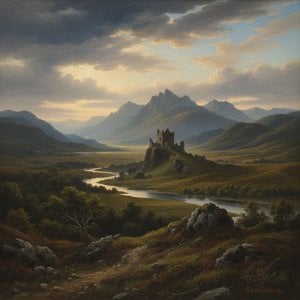
Roses

Admire 'Roses' by Scottish artist Thomas Millie Dow (1848-1919). This idyllic painting evokes Victorian charm & nostalgia. Discover a beautiful art piece for your collection.

Discover Thomas Millie Dow, a Scottish artist (1848-1919) known for idyllic landscapes & portraits associated with the Glasgow Boys. Explore his evocative paintings at WahooArt.

Ručno rađena uljana reprodukcija

Ručno oslikano uljanim bojama na platnu u dimenzijama i okviru po vašem izboru, izrađeno po narudžbi od strane naših umjetnika.

P118B $10
P118H $10
P118W $10
P438Z $10
P508JH $12
P508YH $12
P805H $10
P805Z $10
P919BZ $10
P919G $10
P919XJ $10
P959ZH $10
P968JZ $12
W106C $8
W218G $10
W218JH $8
W218Y $10
W307PJ $10
W316G $10
W316PJ $8
W316Y $10
W398PJ $8
W4111J $10
W500HY $15
W500JH $15
W692G $12
W849H $8
W940BG $15
W953PJ $8

Standard
custom
CM
INCH

Odaberite jednu od naših unaprijed definiranih veličina koje odgovaraju izvornim proporcijama umjetničkog djela.

širina
visina

Možete unijeti vlastite dimenzije kako bi odgovarale određenom okviru ili prostoru. Ako odabrana veličina ne odgovara proporcijama izvorne slike, izrezat ćemo umjetničko djelo ili proširiti sliku dodatnim ručno oslikanim elementima. Digitalni nacrt bit će vam poslan na odobrenje prije početka proizvodnje.
Imajte na umu da pregled na ekranu ne prikazuje stvarno izrezivanje ili proširivanje. Samo će nacrt točno prikazati konačni sastav.
Iako su dostupne prilagođene veličine, preporučujemo odabir dimenzije s preddefiniranog popisa kako bismo očuvali izvorne proporcije.

Primjeri mogućnosti prilagodbe: Zamijenite lice fotografijom klijenta; Dodajte ljubimca (npr. zamijenite mačku psom); Uključite skrivenu poruku u pozadinu; Promijenite pejzaž ili elemente pozadine.
Nakon narudžbe, tim WahooArt.com kontaktirat će klijenta putem e-pošte radi dobivanja uputa te dostaviti probni prikaz (mockup).

Isporuka širom svijeta () u roku od 3-4 tjedna umjesto standardnih 5 tjedana. (3 Srpanj). Bez kompromisa u kvaliteti.

why_choose_icon
Besplatna ekspresna dostava širom svijeta
why_choose_icon
Visokokvalitetno laneno platno
why_choose_icon
Potpuno osiguranje dostave
why_choose_icon
Jamstvo povrata carine i uvoznih poreza
why_choose_icon
Garancija vjernog podudaranja boja
why_choose_icon
Politika povrata u roku od 60 dana (samo u slučaju nedostataka)
why_choose_icon
Jamstvo povrata 100% novca
why_choose_icon
Popust na više proizvoda

Ukupna cijena

-

reproduction

Roses

Tehnika reprodukcije

Veličina reprodukcije

-

Ukupna cijena

-

Srodna umjetnička djela


Biografija umjetnika

Thomas Millie Dow: A Scottish Vision of Idyllic Beauty

Thomas Millie Dow (1848-1919) remains a quietly significant figure within the vibrant tapestry of late 19th and early 20th century Scottish art. Often overshadowed by his more flamboyant contemporaries – the Glasgow Boys – Dow possessed a unique artistic voice, characterized by an exquisite sensitivity to light, color, and the serene beauty of the natural world. His paintings aren’t grand pronouncements or dramatic displays; rather, they offer intimate glimpses into landscapes imbued with a profound sense of peace and contemplative stillness, reflecting a deeply personal connection to his native Fife.

Born in Dysart, Fife, in 1848, Dow's early life was shaped by the expectations of a landed family. Educated for a legal career – a path deemed suitable for young men of his standing – he ultimately defied convention and pursued his artistic passions. This decision, fueled by an uncle’s encouragement and a burgeoning love for painting, led him to Paris in 1877, where he enrolled at the École nationale supérieure des Beaux-Arts. His time in France proved formative, exposing him to the techniques of masters like Jean-Léon Gérôme and fostering a refined approach to composition and color. Crucially, his association with fellow students – notably William Stott and Abbott Handerson Thayer – provided a stimulating intellectual and artistic environment, shaping his evolving aesthetic.

The Glasgow Boys and a Distinctive Style

Dow’s arrival in Glasgow coincided with the emergence of what became known as the Glasgow Boys—a group of young artists who challenged the prevailing academic styles of the time. While sharing a commitment to depicting contemporary life and embracing a more accessible style, Dow distinguished himself through his particular focus on landscape. Unlike some of his peers who favored urban scenes or portraits, Dow’s work is overwhelmingly devoted to capturing the subtle nuances of Scotland's countryside – from the rugged coastlines of Fife to the rolling hills of the Highlands.

His paintings are characterized by a remarkable restraint and an almost preternatural ability to capture the fleeting effects of light. He employed a delicate palette, favoring muted greens, blues, and browns, creating atmospheric scenes that evoke a sense of quiet contemplation. Dow’s compositions often feature solitary figures – shepherds, farmers, or simply individuals immersed in nature—adding a human element to his idyllic landscapes. This subtle integration of humanity into the natural world speaks to a deep appreciation for rural life and a yearning for connection with the land.

Key Works and Artistic Development

Several paintings stand out as particularly representative of Dow’s artistic vision. “An Angel with Cymbals amidst Fire” (1898), a dramatic triptych, showcases his ability to evoke powerful emotions through carefully controlled color and composition. The scene, depicting an angel battling flames, is both visually arresting and deeply symbolic, reflecting the tensions between beauty and destruction. “Eve,” another significant work from 1898, exemplifies his Pre-Raphaelite influences, with its rich colors and allegorical themes. “Roses” (1883), a charming depiction of a flower garden, demonstrates his mastery of capturing delicate details and creating an atmosphere of idyllic tranquility.

His time in America, particularly during 1883-1884, proved pivotal. The experience profoundly impacted his artistic sensibilities, leading to a renewed appreciation for the expansive landscapes of the Hudson River Valley. “The Hudson River,” painted during this period, is considered one of his finest works, capturing the shimmering light and atmospheric perspective of the region with remarkable skill.

Legacy and Historical Significance

Despite not achieving widespread fame during his lifetime, Thomas Millie Dow’s work has been increasingly recognized for its quiet beauty and understated elegance. He remains a vital figure in the story of Scottish art, representing a distinct voice within the Glasgow School movement. His paintings offer a poignant reflection on the relationship between humanity and nature—a theme that continues to resonate with viewers today. Dow's legacy lies not in grand pronouncements or dramatic displays, but in the enduring power of his serene landscapes, which invite us to pause, reflect, and appreciate the simple beauty of the natural world.

thomas millie dow

thomas millie dow

1848 - 1919

Osnovne informacije

  • Artistic Movement Or Style: Glasgow Boys
  • Artists Or Movements Influenced By This Artist:
    • John Lavery
    • Alexander Roche
  • Artists Who Influenced This Artist:
    • William Stott
    • Abbott Thayer
  • Date Of Birth: 28 Oct 1848
  • Date Of Death: 3 July 1919
  • Full Name: Thomas Millie Dow
  • Nationality: Scottish
  • Notable Artworks:
    • Late Autumn At Barbazon
    • The Hudson River
    • Ragweed and Crows
  • Place Of Birth: Dysart, Fife