Pregledaj u realnoj veličini Pregled u AR-u Kupi ručno oslikano djelo Prebacite na digitalnu sliku Pošalji
Detalji o umjetničkom djelu Vodič Dodaj u omiljene Preuzmi umjetničko djelo Slični predmeti Rentgenska snimka Slide show Q&A Statistika

Portret

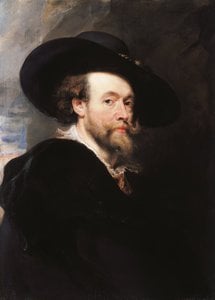
Pozorno gledajte na veličanstveni portret Petra Paula Rubinsa iz godine 1623.! Ovaj barokanski majstorstvo prikazuje njegov umijećevo i karizmu, nudeći pogled u kulturni kontekst tog vremena i umjetničke utjecaje.

Sahrani Peter Paul Rubens, barokni majstor! Poznat po dinamičnim kompozicijama, živopisnim bojama i ikoničnim djelima poput 'Masakra nevina'. Istražite njegov život i umjetnost!

Giclée / Umjetnički otisak

Giclée tisak muzejske kvalitete ili otisak na platnu uz brzu izradu i raznolike opcije završne obrade. ( Kupi ručno oslikano djelo Prebacite na digitalnu sliku)

Corner sample of the P118B picture frame: oblikovani polistiren, 5 cm wide and 3 cm thick
P118B €10
Corner sample of the P118H picture frame: oblikovani polistiren, 5 cm wide and 3 cm thick
P118H €10
Corner sample of the P118W picture frame: oblikovani polistiren, 5 cm wide and 3 cm thick
P118W €10
Corner sample of the P438Z picture frame: oblikovani polistiren, 5.5 cm wide and 3.5 cm thick
P438Z €10
Corner sample of the P508JH picture frame: oblikovani polistiren, 7 cm wide and 3.5 cm thick
P508JH €12
Corner sample of the P508YH picture frame: oblikovani polistiren, 7 cm wide and 3.5 cm thick
P508YH €12
Corner sample of the P805H picture frame: oblikovani polistiren, 5 cm wide and 3.5 cm thick
P805H €10
Corner sample of the P805Z picture frame: oblikovani polistiren, 5 cm wide and 3.5 cm thick
P805Z €10
Corner sample of the P919BZ picture frame: oblikovani polistiren, 7 cm wide and 3.5 cm thick
P919BZ €10
Corner sample of the P919G picture frame: oblikovani polistiren, 7 cm wide and 3.5 cm thick
P919G €10
Corner sample of the P919XJ picture frame: oblikovani polistiren, 7 cm wide and 3.5 cm thick
P919XJ €10
Corner sample of the P959ZH picture frame: oblikovani polistiren, 5 cm wide and 3 cm thick
P959ZH €10
Corner sample of the P968JZ picture frame: oblikovani polistiren, 6 cm wide and 4 cm thick
P968JZ €12
Corner sample of the W106C picture frame: masivno drvo, 5 cm wide and 3 cm thick
W106C €8
Corner sample of the W218G picture frame: masivno drvo, 5 cm wide and 3 cm thick
W218G €10
Corner sample of the W218JH picture frame: masivno drvo, 5 cm wide and 3 cm thick
W218JH €8
Corner sample of the W218Y picture frame: masivno drvo, 5 cm wide and 3 cm thick
W218Y €10
Corner sample of the W307PJ picture frame: masivno drvo, 6 cm wide and 3 cm thick
W307PJ €10
Corner sample of the W316G picture frame: masivno drvo, 6 cm wide and 3 cm thick
W316G €10
Corner sample of the W316PJ picture frame: masivno drvo, 6 cm wide and 3 cm thick
W316PJ €8
Corner sample of the W316Y picture frame: masivno drvo, 6 cm wide and 3 cm thick
W316Y €10
Corner sample of the W398PJ picture frame: masivno drvo, 5 cm wide and 3 cm thick
W398PJ €8
Corner sample of the W4111J picture frame: masivno drvo, 6.5 cm wide and 3.5 cm thick
W4111J €10
Corner sample of the W500HY picture frame: masivno drvo, 7 cm wide and 5 cm thick
W500HY €15
Corner sample of the W500JH picture frame: masivno drvo, 7 cm wide and 5 cm thick
W500JH €15
Corner sample of the W692G picture frame: masivno drvo, 8 cm wide and 4 cm thick
W692G €12
Corner sample of the W849H picture frame: masivno drvo, 5 cm wide and 3 cm thick
W849H €8
Corner sample of the W940BG picture frame: masivno drvo, 7.5 cm wide and 4.5 cm thick
W940BG €15
Corner sample of the W953PJ picture frame: masivno drvo, 6 cm wide and 3.5 cm thick
W953PJ €8

Standardne dimenzije
po mjeri
CM
INCH

Odaberite jednu od naših unaprijed definiranih veličina koje odgovaraju izvornim proporcijama umjetničkog djela.

širina
visina

Unesite potrebnu širinu i visinu kako bi odgovarali vašem okviru ili zidu. Print se može samo izrezati, nikada ne može biti veći od slike, stoga format s drugačijim omjerom stranica uzrokuje gubitak dijela slike. Prije bilo kakve štampe šaljemo vam digitalni prikaz (mockup) na odobrenje. Slika prikazana na ovoj stranici ne prikazuje stvarni rez — to prikazuje isključivo digitalni prikaz.

Dostava širom svijeta () u roku od 2 tjedna umjesto standardnih 4/5 tjedana. (30 Listopad)

Besplatna ekspresna dostava širom svijeta
Visokokvalitetno laneno platno
Potpuno osiguranje dostave
Jamstvo povrata carine i uvoznih poreza
Jamstvo vjernosti boja
Politika povrata u roku od 100 dana (samo u slučaju nedostataka)
Jamstvo povrata 100% novca
Popust na više proizvoda

Ukupna cijena

€ 60

Portret

Giclée / Umjetnički otisak

Veličina reprodukcije

-

Ukupna cijena

€ 60

Osnovne informacije

  • Notable elements or techniques: Dramaticno osvjetljenje, chiaroscuro
  • Year: 1623
  • Artistic style: Visoko detaljno realizam
  • Artist: Petar Petrovič Rubins
  • Movement: Barok
  • Medium: Ulje na platnu

Samopis Portreta

Petar Petrovič Rubins, jedan od najutjecajnijih umjetnika flamiške Barokovne tradicije, nastavio je fascinantni samopis godine 1623. Ovo slikanje nije samo odraz njegove umjetničke vještine već i prozora u kulturne i društvene okolnosti tog vremena. Stoji kao svjedočanstvo Rubinovljeve majstorije tehnike i dubokog razumijevanja ljudske psihologije – vizualna meditacija o identitetu i ambiciji unutar veličanstva Baroka.

Umjetnički Stil i Tehniku

Rubinov samopis primjer Baroknog stila, karakteriziran dramatičnom osvijetljenjem, intenzivnim emocijama i izuzetno detaljnom realizmom. Koristio je ulje na platnu što mu je omogućilo bogate teksture i živopisne boje, poboljšavajući ukupni vizualni učinak. Obratite pozornost maestralnoj chiaroscuro – međunarodnoj igri svjetla i tame koja oblikuje Rubinovljevu figuru iznimnom preciznošću. Deblja impasto tehnika doprinosi prisustvo pokreta i volumena, prenoseći fizičku prisutnost kao i psihološku dinamiku. Kako je slikanje veličine 62 x 86 cm, predstavlja značajan primjer koji izaziva pažnju gledatelja.

Povijesni Kontext

Rubins je svoj vrhunac karijere postavio tijekom vremena kada je bio priznat umjetnik europskog umjetničkog svijeta – posebice kao kraljevski slikar Filipa IV. Španjolske i Karla I. Samopis odražava kulturne utjecaje tog vremena. Rubinovljeva djela često su koristila klasičke i kršćanske teme, što je odražavalo intelektualnu žestinu Barokovne ere. Kako je slikanje nastalo tijekom turbulentnog razdoblja obilježavajućeg vjerskim sukobom i političkom manipulacijom; Rubins je nastojao prikazati imidž samouvjerenosti i autoriteta – ciljan stav umjetničke uspješnosti među složenostima europskog političkog života.

Umjetički Utjecaji

Rubinov stil bio je duboko podijeljen od strane umjetnika kao što su Caravaggio, čija dramatična upotreba tenebrizma – intenzivne kontrast između svjetla i tame – uvukao je Rubinsa u tehniku koja podiže emocije i stvara nezaboravno vizualno iskustvo. Nadalje, Rubins je apsorbirao ekspresivne geste i senzualne kvalitete koje su bile prisutne u Baroknoj umjetnosti, kanalizujući ove utjecaje u svoj prikaz sebe. Umjetnikova gledanja je direktna, neprestajuća, prenoseći samouvjerenost kao karakterističnu značajku koja se pojavljuje kroz Rubinovljevu cijelu djela.

Ostale Značajnije Djela

Rubinov opus uključuje brojne vrhunske djela koja pokazuju njegovu fleksibilnost kao umjetnika. Jedan od najpoznatijih primjerova je Portret Nikole de Respaigne koji pokazuje Rubinovljevu sposobnost uhvatiti esenciju svojih subjekata s elegancijom i preciznošću – vještinu koju je osvojio godine iskustva i opažanja. Ovo slikanje se nalazi u kolekciji Državnih umjetničkih zbivanja u Kasselu, Njemačka.

Muzeji i Kolekcije

Državna galerija Australije, gdje je Rubinov samopis izložen, sadrži raznoliku skupinu umjetnina koja predstavlja ključne trenutke europske umjetničinske povijesti. Podobno je Muzej Santi Alessandro e Vincenzo u Ponteranica Italija ugostio djela poznatih umjetnika kao što su Lorenzo Lotto i Hans Von Aachen – umjetnici koji su također prihvatili Baroksku estetiku i istraživali teme duhovnosti i ljudske emocije.

Zaključak

Rubinov samopis je temelj Barokne umjetnosti – očaravajuće mješanje umjetničke vještine, psihološkog uvida i umjetničkog ambicija. Koristeći maestralno svjetlo, boju i kompoziciju, napravio je djelo koje se danas nastavlja oslanjati na gledatelje. Za sve koji žele istražiti više njegovih djela ili dublje prodrijeti u stilsku inovaciju Barokovne ere, Peter Paul Rubens: Self-portret i Peter Paul Rubens: Portrait of Nicolas de Respaigne nude vrijedne resurse za daljnje razumijevanje ovog izvanrednog umjetnika i njegovog trajnog naslijeđa.

Referencije

- Peter Paul Rubens - National Gallery of Australia - Museum Santi Alessandro e Vincenzo - The Museum Santi Alessandro e Vincenzo (Ponteranica, Italy) Za dublje razumijevanje povijesti i razvoja umjetnosti, pogledajte Povijest umjetnosti i Umjetnost Europe.

Pitanja i odgovori

Kolika je luminancija djela "Portret" autora Petar Petrovič Rubins?

Zabilježena luminancija za "Portret" autora Petar Petrovič Rubins iznosi Tamno.

Kolika je intenzitet boja u djelu "Portret" autora Petar Petrovič Rubins?

Intenzitet boja djela "Portret" je Monokromatski. Intenzitet opisuje koliko se boje čine snažnima.

Koji su oblik i dimenzije djela "Portret" autora Petar Petrovič Rubins?

"Portret" autora Petar Petrovič Rubins je kompozicija u formatu Portretna orijentacija čija su dimenzije u izvornom izdanju 62 x 86 cm.


Biografija umjetnika

Sir Peter Paul Rubens: A Baroque Master!

Peter Paul Rubens, a name that resonates with the very essence of Baroque dynamism, was far more than simply a painter. He was a diplomat, a scholar, and a cultural architect who fundamentally reshaped the artistic landscape of 17th-century Europe. Born in Siegen, Germany, in 1577, his early life was marked by displacement—a formative experience that would subtly permeate his later work with an undercurrent of drama and emotional depth. His father, Jan Rubens, a lawyer fleeing religious persecution for his Calvinist beliefs, uprooted the family from their native Antwerp, then under Spanish rule. This initial exile instilled in young Peter Paul a sense of resilience and adaptability, qualities that would serve him well throughout his multifaceted career. Following his father’s death in 1587, the family returned to Antwerp, where he received a humanist education before embarking on his artistic training around 1590, apprenticing under Tobias Verhaecht and Adam van Noort, honing foundational skills in drawing and painting techniques. However, it was his time with Otto van Veen that proved pivotal, exposing him to the rich legacy of Italian Renaissance art—a world he would soon embrace wholeheartedly.

The Italian Awakening and Artistic Synthesis

In 1600, Rubens embarked on a transformative journey to Italy, a pilgrimage that irrevocably shaped his artistic vision. For eight years, he immersed himself in the masterpieces of Michelangelo, Raphael, and Titian, absorbing their mastery of form, color, and composition. The influence of these Renaissance giants is readily apparent in his early Italian works, characterized by classical themes and idealized figures. Yet, Rubens didn’t merely imitate; he synthesized these influences with his own innate talent, developing a distinctive style marked by vibrant hues, dynamic compositions, and a sensuous depiction of the human form. He studied anatomy meticulously, resulting in figures that possessed both physical realism and emotional power—robust bodies imbued with life and movement. This period wasn’t solely about artistic development; it was a profound intellectual awakening, fostering a deep appreciation for classical mythology and literature which would become recurring motifs throughout his oeuvre. Upon returning to Antwerp in 1608, Rubens swiftly established himself as the leading artist of his time, receiving a flood of commissions that testified to his burgeoning reputation and solidifying his position at the forefront of Flemish art.

A Master of Many Forms: Painting Beyond Boundaries

Rubens’s artistic output was astonishingly diverse and prolific. He didn't confine himself to a single genre; instead, he excelled in history paintings, mythological scenes, portraits, landscapes, and religious works—a testament to his versatility and boundless creativity. His large-scale canvases, often intended for churches, palaces, and public spaces, were breathtaking displays of technical virtuosity and dramatic storytelling. The Descent from the Cross (c. 1616-1617) exemplifies his masterful use of light and shadow to create a scene of profound emotional intensity, drawing viewers into the heart of the narrative. The Raising of the Cross (1610-1611), with its swirling figures and dynamic composition, showcases his ability to convey movement and energy—a hallmark of his Baroque style. Even in seemingly static subjects like The Judgement of Paris (c. 1636), Rubens infused a sense of life and vitality through his vibrant color palette and sensual depiction of the human form. His technique was equally remarkable – a masterful command of oil painting, employing impasto to create texture and depth, alongside delicate glazing techniques to achieve luminous effects. He frequently employed allegorical figures and symbolic imagery, layering narratives with complex meanings that invited contemplation and interpretation.

Diplomacy, Legacy, and Enduring Influence

Rubens’s influence extended far beyond the realm of art. His diplomatic skills were highly sought after by the Southern Netherlands (modern-day Belgium), and he undertook numerous missions to England, France, and Spain, negotiating treaties and fostering political alliances—a unique dual role that afforded him a nuanced perspective on European affairs and further enhanced his reputation as a man of intellect and influence. In 1622 he was commissioned by Maria de Medici, where he was quickly forced to hone a new skill set—the political maneuver. Cardinal Richelieu hated him, Maria was unpredictable, and the project eventually fell apart, leaving many works uncompleted. But Rubens still brought home a commission. After the death of his first wife in 1625, Rubens traveled again, this time wielding his skill in painting as a diplomatic tool. He traveled to England to work for King Charles I. In both France and England, Rubens arrived as a painter and left as a confidant of the powerful and dangerous. In his travels he negotiated allegiances for Isabella Clara Eugenia, the governor of the Spanish Netherlands. In exchange, Isabella bestowed knighthood on her loyal painter, and the artist became Sir Peter Paul Rubens. He continued to paint prolifically until his death in Antwerp in 1640, leaving behind a vast legacy that continues to inspire awe and admiration. His impact on subsequent generations of artists is immeasurable; painters like Anthony van Dyck, Jacob Jordaens, and Eugène Delacroix all drew inspiration from his dynamic compositions, vibrant colors, and sensuous figures. Rubens didn’t just define the Baroque style—he elevated painting to a new level of prestige and influence, solidifying Antwerp as a major center of artistic production during the 17th century. He remains, centuries later, a towering figure in the history of art, a testament to the power of human creativity and the enduring allure of Baroque splendor.

Key Characteristics of Rubens’s Style

  • Dynamic Composition: Rubens' paintings are known for their energetic and dramatic arrangements of figures.
  • Vibrant Color Palette: He employed a rich, warm color scheme that brought his canvases to life.
  • Sensuous Figures: His depictions of the human form were characterized by fullness, vitality, and often, overt sensuality.
  • Masterful Use of Light and Shadow: Rubens skillfully manipulated light and shadow to create depth, drama, and emotional impact.
  • Allegorical Symbolism: His works frequently incorporated allegorical figures and symbolic imagery, adding layers of meaning and complexity.

Petar Petrovič Rubins

Petar Petrovič Rubins

1577 - 1640 , Njemačka

Osnovne informacije

  • Artistic Movement Or Style: Barok
  • Artists Or Movements Influenced By This Artist:
    • Antoni van Dijk
    • Jakob Jordans
  • Artists Who Influenced This Artist:
    • Mikelijel Đevet
    • Rafael
    • Titijan
  • Date Of Birth: 28. juni 1577.
  • Date Of Death: 30. maj 1640.
  • Full Name: Sir Peter Paul Rubens
  • Nationality: Flamanjski
  • Notable Artworks:
    • Descent iz križa
    • Podizanje križa
    • Portret Izabele Brant
  • Place Of Birth: Siegen, Njemačka
Istražite umjetnička djela organizirana prema temama, stilovima i karakteristikama.