Pregledaj u stvarnoj veličini Isprobaj u AR-u Prebacite na prodaju printova Prebacite na digitalnu prodaju slika Podijeli
Detalji Guide Dodaj u omiljene Preuzmi datoteku Slični predmeti Rentgenska snimka Slide show Statistika

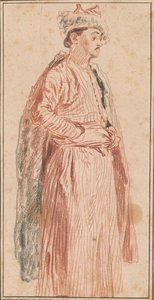
Nicolas Trigault

Admire Rubens’ ‘Nicolas Trigault,’ a stunning 1617 chalk drawing showcasing Baroque realism & dramatic lighting. A masterpiece of portraiture, perfect for art enthusiasts.

Sahrani Peter Paul Rubens, barokni majstor! Poznat po dinamičnim kompozicijama, živopisnim bojama i ikoničnim djelima poput 'Masakra nevina'. Istražite njegov život i umjetnost!

Ručno rađena uljana reprodukcija

Ručno oslikano uljanim bojama na platnu u dimenzijama i okviru po vašem izboru, izrađeno po narudžbi od strane naših umjetnika. ( Prebacite na prodaju printova Prebacite na digitalnu prodaju slika)

P118B $10
P118H $10
P118W $10
P438Z $10
P508JH $12
P508YH $12
P805H $10
P805Z $10
P919BZ $10
P919G $10
P919XJ $10
P959ZH $10
P968JZ $12
W106C $8
W218G $10
W218JH $8
W218Y $10
W307PJ $10
W316G $10
W316PJ $8
W316Y $10
W398PJ $8
W4111J $10
W500HY $15
W500JH $15
W692G $12
W849H $8
W940BG $15
W953PJ $8

Standardne dimenzije
prilagođeno po mjeri
CM
INCH

Odaberite jednu od naših unaprijed definiranih veličina koje odgovaraju izvornim proporcijama umjetničkog djela.

širina
visina

Možete unijeti vlastite dimenzije kako bi odgovarale određenom okviru ili prostoru. Ako odabrana veličina ne odgovara proporcijama izvorne slike, izrezat ćemo umjetničko djelo ili proširiti sliku dodatnim ručno oslikanim elementima. Digitalni nacrt bit će vam poslan na odobrenje prije početka proizvodnje.
Imajte na umu da pregled na ekranu ne prikazuje stvarno izrezivanje ili proširivanje. Samo će nacrt točno prikazati konačni sastav.
Iako su dostupne prilagođene veličine, preporučujemo odabir dimenzije s preddefiniranog popisa kako bismo očuvali izvorne proporcije.

Primjeri onoga što se može promijeniti: Zamijenite lice fotografijom klijenta; Dodajte ljubimca (npr. zamijenite mačku psom); Uključite skrivenu poruku u pozadinu; Promijenite pejzaž ili elemente pozadine.
Nakon narudžbe, tim WahooArt.com kontaktirat će klijenta putem e-pošte radi dobivanja uputa te dostaviti probni prikaz (mockup)

Isporuka širom svijeta () u roku od 3-4 tjedna umjesto standardnih 5 tjedana. (20 Rujan). Bez kompromisa u kvaliteti.

why_choose_icon
Besplatna ekspresna dostava širom svijeta
why_choose_icon
Visokokvalitetno laneno platno
why_choose_icon
Potpuno osiguranje transporta
why_choose_icon
Jamstvo povrata carine i uvoznih poreza
why_choose_icon
Jamstvo vjernosti boja
why_choose_icon
Politika povrata u roku od 100 dana (samo u slučaju nedostataka)
why_choose_icon
Jamstvo povrata 100% novca
why_choose_icon
Popust na više proizvoda

Ukupna cijena

$ 272

reproduction

Nicolas Trigault

Tehnika izrade

Veličina reprodukcije

-

Ukupna cijena

$ 272

Brzi pregled

  • title: Nicolas Trigault
  • dimensions: 45 x 26 cm
  • style: portraiture, realism
  • subject: Nicolas Trigault
  • medium: chalk drawing
  • movement: Baroque

Kviz o umjetnosti

Svako pitanje ima samo jedan točan odgovor.

Pitanje 1:
In what year was Peter Paul Rubens' portrait of Nicolas Trigault created?
Pitanje 2:
What medium did Rubens primarily use for this portrait?
Pitanje 3:
Nicolas Trigault was a member of which religious order?
Pitanje 4:
Which artistic movement is this portrait most closely associated with?
Pitanje 5:
Where is the artwork currently housed?

A Portrait of Faith & Diplomacy: Peter Paul Rubens’ Nicolas Trigault

This captivating chalk drawing by Peter Paul Rubens offers a remarkable glimpse into the world of 17th-century intellectual and religious exchange. Created in 1617, the portrait depicts Nicolas Trigault, a Belgian Jesuit priest whose life bridged Europe and China during a pivotal era of missionary work. The artwork, measuring 45 x 26 cm, resides within the esteemed collection of the Metropolitan Museum of Art in New York City.

The Subject: A Man Between Worlds

Nicolas Trigault was far more than simply a priest; he was a key figure in disseminating knowledge about China to Europe. His travels and writings – notably his editing and translation of Matteo Ricci’s work on China – were instrumental in shaping European understanding of the East. Rubens captures this sense of intellectual weight and worldly experience in Trigault's dignified pose and contemplative expression. The subject’s attire, while traditional for a Jesuit, hints at his exposure to different cultures, suggesting a man comfortable navigating diverse landscapes.

Masterful Technique & Baroque Sensibility

Rubens demonstrates exceptional skill in his use of black and red chalk. He achieves remarkable depth and texture through delicate hatching and cross-hatching, particularly evident in the rendering of Trigault’s robes and facial features. The subtle gradations of tone create a sense of volume and realism that is characteristic of Rubens' style. While a drawing, it possesses a painterly quality, foreshadowing the dramatic chiaroscuro (light-dark contrast) found in his larger oil paintings.

Key Characteristics of Baroque Portraiture

This portrait embodies several hallmarks of the Baroque period:
  • Dramatic Realism: Rubens doesn’t idealize Trigault; he presents him as a fully realized individual, with visible signs of age and thought etched upon his face.
  • Psychological Insight: The portrait isn't merely a physical likeness. It conveys a sense of the subject’s inner life – his piety, intelligence, and perhaps even a hint of weariness from his extensive travels.
  • Subtle Emotional Intensity: While not overtly emotional, Trigault’s expression suggests deep contemplation and unwavering faith—qualities highly valued during the Counter-Reformation period.

Historical Context & Religious Diplomacy

The early 17th century was a time of intense religious fervor and global exploration. The Jesuit order played a crucial role in both, sending missionaries to far-flung corners of the world to spread Christianity. Trigault’s work in China was particularly significant, as it involved not only evangelization but also cultural exchange and intellectual inquiry. Rubens, himself a diplomat as well as an artist, would have been keenly aware of these developments. This portrait can be seen as a visual testament to the era's complex interplay between faith, politics, and knowledge.

Symbolism & Emotional Resonance

While not laden with overt symbolism, the portrait’s power lies in its quiet dignity and understated elegance. The dark background focuses attention entirely on Trigault, emphasizing his importance as a figure of intellectual and spiritual authority. The artwork evokes a sense of respect for learning, faith, and cross-cultural understanding. It invites viewers to contemplate the challenges and rewards of bridging different worlds – a theme that remains relevant today.

A Timeless Masterpiece for Today’s Spaces

Rubens' *Nicolas Trigault* is more than just a historical artifact; it’s a work of art with enduring aesthetic appeal. Its refined composition, masterful technique, and evocative subject matter make it an ideal addition to any collection or interior design scheme. A high-quality reproduction captures the nuance and depth of the original, bringing a touch of Baroque grandeur and intellectual sophistication to your home or office. *This portrait serves as a powerful reminder of the enduring human quest for knowledge, faith, and connection.*

Biografija umjetnika

Sir Peter Paul Rubens: A Baroque Master!

Peter Paul Rubens, a name that resonates with the very essence of Baroque dynamism, was far more than simply a painter. He was a diplomat, a scholar, and a cultural architect who fundamentally reshaped the artistic landscape of 17th-century Europe. Born in Siegen, Germany, in 1577, his early life was marked by displacement—a formative experience that would subtly permeate his later work with an undercurrent of drama and emotional depth. His father, Jan Rubens, a lawyer fleeing religious persecution for his Calvinist beliefs, uprooted the family from their native Antwerp, then under Spanish rule. This initial exile instilled in young Peter Paul a sense of resilience and adaptability, qualities that would serve him well throughout his multifaceted career. Following his father’s death in 1587, the family returned to Antwerp, where he received a humanist education before embarking on his artistic training around 1590, apprenticing under Tobias Verhaecht and Adam van Noort, honing foundational skills in drawing and painting techniques. However, it was his time with Otto van Veen that proved pivotal, exposing him to the rich legacy of Italian Renaissance art—a world he would soon embrace wholeheartedly.

The Italian Awakening and Artistic Synthesis

In 1600, Rubens embarked on a transformative journey to Italy, a pilgrimage that irrevocably shaped his artistic vision. For eight years, he immersed himself in the masterpieces of Michelangelo, Raphael, and Titian, absorbing their mastery of form, color, and composition. The influence of these Renaissance giants is readily apparent in his early Italian works, characterized by classical themes and idealized figures. Yet, Rubens didn’t merely imitate; he synthesized these influences with his own innate talent, developing a distinctive style marked by vibrant hues, dynamic compositions, and a sensuous depiction of the human form. He studied anatomy meticulously, resulting in figures that possessed both physical realism and emotional power—robust bodies imbued with life and movement. This period wasn’t solely about artistic development; it was a profound intellectual awakening, fostering a deep appreciation for classical mythology and literature which would become recurring motifs throughout his oeuvre. Upon returning to Antwerp in 1608, Rubens swiftly established himself as the leading artist of his time, receiving a flood of commissions that testified to his burgeoning reputation and solidifying his position at the forefront of Flemish art.

A Master of Many Forms: Painting Beyond Boundaries

Rubens’s artistic output was astonishingly diverse and prolific. He didn't confine himself to a single genre; instead, he excelled in history paintings, mythological scenes, portraits, landscapes, and religious works—a testament to his versatility and boundless creativity. His large-scale canvases, often intended for churches, palaces, and public spaces, were breathtaking displays of technical virtuosity and dramatic storytelling. The Descent from the Cross (c. 1616-1617) exemplifies his masterful use of light and shadow to create a scene of profound emotional intensity, drawing viewers into the heart of the narrative. The Raising of the Cross (1610-1611), with its swirling figures and dynamic composition, showcases his ability to convey movement and energy—a hallmark of his Baroque style. Even in seemingly static subjects like The Judgement of Paris (c. 1636), Rubens infused a sense of life and vitality through his vibrant color palette and sensual depiction of the human form. His technique was equally remarkable – a masterful command of oil painting, employing impasto to create texture and depth, alongside delicate glazing techniques to achieve luminous effects. He frequently employed allegorical figures and symbolic imagery, layering narratives with complex meanings that invited contemplation and interpretation.

Diplomacy, Legacy, and Enduring Influence

Rubens’s influence extended far beyond the realm of art. His diplomatic skills were highly sought after by the Southern Netherlands (modern-day Belgium), and he undertook numerous missions to England, France, and Spain, negotiating treaties and fostering political alliances—a unique dual role that afforded him a nuanced perspective on European affairs and further enhanced his reputation as a man of intellect and influence. In 1622 he was commissioned by Maria de Medici, where he was quickly forced to hone a new skill set—the political maneuver. Cardinal Richelieu hated him, Maria was unpredictable, and the project eventually fell apart, leaving many works uncompleted. But Rubens still brought home a commission. After the death of his first wife in 1625, Rubens traveled again, this time wielding his skill in painting as a diplomatic tool. He traveled to England to work for King Charles I. In both France and England, Rubens arrived as a painter and left as a confidant of the powerful and dangerous. In his travels he negotiated allegiances for Isabella Clara Eugenia, the governor of the Spanish Netherlands. In exchange, Isabella bestowed knighthood on her loyal painter, and the artist became Sir Peter Paul Rubens. He continued to paint prolifically until his death in Antwerp in 1640, leaving behind a vast legacy that continues to inspire awe and admiration. His impact on subsequent generations of artists is immeasurable; painters like Anthony van Dyck, Jacob Jordaens, and Eugène Delacroix all drew inspiration from his dynamic compositions, vibrant colors, and sensuous figures. Rubens didn’t just define the Baroque style—he elevated painting to a new level of prestige and influence, solidifying Antwerp as a major center of artistic production during the 17th century. He remains, centuries later, a towering figure in the history of art, a testament to the power of human creativity and the enduring allure of Baroque splendor.

Key Characteristics of Rubens’s Style

  • Dynamic Composition: Rubens' paintings are known for their energetic and dramatic arrangements of figures.
  • Vibrant Color Palette: He employed a rich, warm color scheme that brought his canvases to life.
  • Sensuous Figures: His depictions of the human form were characterized by fullness, vitality, and often, overt sensuality.
  • Masterful Use of Light and Shadow: Rubens skillfully manipulated light and shadow to create depth, drama, and emotional impact.
  • Allegorical Symbolism: His works frequently incorporated allegorical figures and symbolic imagery, adding layers of meaning and complexity.

Petar Petrovič Rubins

Petar Petrovič Rubins

1577 - 1640 , Njemačka

Brzi pregled

  • Artistic Movement Or Style: Barok
  • Artists Or Movements Influenced By This Artist:
    • Antoni van Dijk
    • Jakob Jordans
  • Artists Who Influenced This Artist:
    • Mikelijel Đevet
    • Rafael
    • Titijan
  • Date Of Birth: 28. juni 1577.
  • Date Of Death: 30. maj 1640.
  • Full Name: Sir Peter Paul Rubens
  • Nationality: Flamanjski
  • Notable Artworks:
    • Descent iz križa
    • Podizanje križa
    • Portret Izabele Brant
  • Place Of Birth: Siegen, Njemačka
Istražite umjetnička djela organizirana prema temama, stilovima i karakteristikama.