Pregledaj u stvarnoj veličini Isprobaj u AR-u Prebacite na prodaju printova Naručite ručno oslikano reprodukciju Podijeli
Detalji Vodič Dodaj u omiljene Preuzmi datoteku Slični predmeti Rentgenska snimka Slide show Statistika

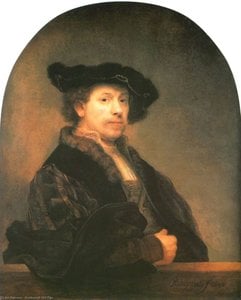
Self-Portrait

Admire Sir Joshua Reynolds’ "Self-Portrait" (1749), a captivating neoclassical painting showcasing the artist's confident gaze and refined attire. Explore his masterful technique & artistic legacy.

Sir Joshua Reynolds (1723-1792): Najpoznatiji engleski slikar stoljeća XVIII., poznat po svom velikom stilu koji je elegantno prikazao aristokratsku kulturu i oblikovao britansko umjetničstvo. Slikar portreta koji je osvojio srca mnogih kritičara i kolekcionara.

Kupite digitalnu sliku visoke rezolucije i poboljšane kvalitete, koja je znatno superiornija od online prikaza.

Svaku datoteku pedantno pripremaju naši internim stručnjaci koristeći napredne alate i vještinsku ručnu retušu. Osiguravamo da svaka slika ima iznimnu jasnoću, preciznu točnost boja i vrhunsku razinu detalja.

Konačna datoteka dostavlja se putem e-pošte u roku od 72 sata, optimizirana za neposrednu upotrebu u profesionalnim, uredničkim i tiskarskim okruženjima. To je ista kvaliteta kojoj vjeruju vrhunski studiji dizajna, izdavači i galerije.

Digitalna slika

Preuzmite datoteku visoke rezolucije za osobnu izložbu, tisak i kreativne projekte. ( Prebacite na prodaju printova Naručite ručno oslikano reprodukciju)

Ukupna cijena

$ 24,90

Uključeno uz svaku narudžbu digitalne slike

Stručna digitalna dostava, zajamčena

Odabirom WahooArt.com ne dobivate samo sliku – dobivate profesionalno unapređeno digitalno umjetničko djelo, izrađeno s najvećom preciznošću uz jamstvo zadovoljstva. Evo svega što automatski dolazi uz vašu narudžbu:

shipping_icon
Brza dostava e-poštom

Vaša digitalna slika visoke rezolucije bit će vam poslana e-mailom u roku od 72 sata od trenutka narudžbe – spremna za neposrednu upotrebu.

canvas_icon
Digitalna datoteka uz pomoć AI-a

Vaše umjetničko djelo profesionalno je optimizirano pomoću naprednih AI alata i ručnog uređivanja, čime se osigurava maksimalna razina detalja, oštrine i točnosti boja.

insurance_icon
Besplatna doživotna ponovna dostava

Slučajno ste obrisali ili izgubili svoju datoteku? Ne brinite – ponovno ćemo vam je poslati u bilo kojem trenutku, potpuno besplatno.

tax_icon
Bez uvoznih pristojnika – ikada

Uživajte u svojim umjetničkim djelima trenutno, bez carina, pristojbi ili troškova dostave – digitalni downloadi uvijek su oslobođeni poreza.

color_icon
Jamstvo točnosti boja

Uz pomoć profesionalnih alata i upravljanja bojama, osiguravamo da vaša digitalna slika što vjernije odražava izvorne boje.

return_icon
Jamstvo zadovoljstva u trajanju od 100 dana

Ako niste zadovoljni svojom digitalnom slikom, revidirat ćemo je ili vratiti 100% iznosa u roku od 100 dana – bez suvišnih pitanja.

guarantee_icon
100% Jamstvo povrata novca

Niste zadovoljni? Osigurajte puni povrat novca u roku od 100 dana od primitka digitalne datoteke – bez suvišnih pitanja.

discount_icon
Popusti na velike narudžbe

Kupite 3 slike, uštedite 10% - Kupite 5 slika, uštedite 15% - Kupite 10+ slika, uštedite 20%. Odlično za kreativne projekte, galerije i agencije.

Brzi pregled

  • Year: 1749
  • Location: SCAD Museum of Art
  • Title: Self-Portrait
  • Medium: Oil on canvas
  • Artist: Sir Joshua Reynolds
  • Notable elements: Dramatic lighting

A Window into the Enlightenment: Sir Joshua Reynolds’ “Self-Portrait”

Sir Joshua Reynolds' "Self-Portrait," painted in 1747-1749, isn’t merely a likeness; it’s a carefully constructed declaration of an artist’s ambition and his understanding of the era. This captivating work, now residing within the esteemed collection of the SCAD Museum of Art in Savannah, offers a rare glimpse into the mind of one of Britain's most influential figures in 18th-century art – a man who fundamentally reshaped the very notion of portraiture. The painting immediately draws the eye with its dramatic lighting, a hallmark of Reynolds’ “Grand Style,” where shadows are sculpted to enhance form and create an atmosphere of both solemnity and vibrant energy. The artist himself is presented not as a humble craftsman, but as a figure of authority and intellectual prowess – his gaze direct and confident, suggesting a man acutely aware of his own importance within the cultural landscape.

A Masterclass in Technique: The Reynoldsian Approach

Reynolds’ skill lies not just in capturing a physical likeness but in imbuing that likeness with character and depth. Observe the meticulous rendering of his wig, styled with an almost theatrical flourish – a deliberate choice reflecting the fashionable sensibilities of the time. The ruffled collar, meticulously detailed, speaks to his status and connection to the aristocratic circles he frequented. But it’s the subtle manipulation of light and shadow that truly elevates the portrait. Reynolds employed a technique known as *chiaroscuro*, expertly contrasting areas of bright illumination with deep shadows, creating a sense of three-dimensionality and drawing attention to key features. The impasto – the thick application of paint – adds texture and visual interest, particularly noticeable in the folds of his clothing and the suggestion of fabric beneath his jacket. This wasn’t simply about painting; it was about sculpting light and form onto canvas.

Echoes of Antiquity: Symbolism and Context

The “Self-Portrait” is deeply rooted in the artistic principles of the Enlightenment, a period characterized by a renewed interest in classical antiquity. Reynolds, heavily influenced by artists like Leonardo da Vinci and Michelangelo, sought to emulate their mastery of anatomy, perspective, and dramatic composition. The pose itself – reminiscent of Roman statues – deliberately connects him to this rich heritage. Furthermore, the inclusion of his ear trumpet, a symbol of his partial deafness acquired during his time in Rome, subtly acknowledges his artistic journey and intellectual pursuits. It’s a quiet testament to the challenges he overcame in pursuit of his craft. The painting also reflects Reynolds' belief that art should be idealized – not a slavish imitation of reality but an elevation of it, reflecting the beauty and harmony inherent within human form.

Beyond the Brush: A Legacy of Influence

Sir Joshua Reynolds’ “Self-Portrait” is more than just a personal depiction; it's a pivotal document in the history of British art. His theories on painting, articulated in his influential *Discourses on Art*, established the "Grand Style," which dominated portraiture for decades and profoundly impacted subsequent generations of artists. He championed the idea that painters should study classical models and strive to create works of beauty and harmony – a philosophy that shifted the focus from mere likeness to artistic expression. The painting’s enduring appeal lies in its ability to transport us back to a pivotal moment in art history, offering a window into the mind of a visionary artist who shaped the course of British painting. Reproductions of this iconic work continue to inspire and captivate, reminding us of the power of art to both reflect and shape our understanding of the world.

  • Artist: Sir Joshua Reynolds
  • Date: 1747-1749
  • Medium: Oil on Canvas
  • Location: SCAD Museum of Art, Savannah, United States

Biografija umjetnika

Sir Joshua Reynolds (1723 - 1792): Leading British portrait painter of the 18th century & first Royal Academy President

Born in 1723 in the quaint Devonshire town of Plympton, Sir Joshua Reynolds emerged as a pivotal figure during a period of immense cultural transformation in Britain. His father, Reverend Samuel Reynolds, instilled in him a love for learning and intellectual pursuits, initially steering young Joshua towards a scholarly path. However, an undeniable artistic inclination soon surfaced, leading to his apprenticeship with Thomas Hudson in London at the age of seventeen. This formative experience provided Reynolds with a solid foundation in portraiture—a genre that would define his illustrious career. Hudson’s studio was a bustling hub of fashionable society, exposing Reynolds to the demands and expectations of aristocratic patrons, shaping not only his technique but also his understanding of the social landscape he would come to depict so masterfully. It wasn't merely about capturing likeness; it was about constructing an image that reflected status, taste, and aspiration.

Early Life and Artistic Formation

Reynolds’s upbringing fostered a deep appreciation for classical literature and philosophy—influences that would permeate his artistic sensibilities throughout his life. At seventeen, he entered into an apprenticeship with Thomas Hudson, a highly respected portraitist whose studio served as a crucible of artistic innovation during the mid-18th century. This relationship proved invaluable, providing Reynolds with hands-on experience in mastering the techniques of oil painting and honing his observational skills. Hudson’s emphasis on meticulous detail and dramatic composition—drawing inspiration from the works of Rembrandt and Rubens—established Reynolds' stylistic trajectory toward a distinctive approach that would distinguish him from his contemporaries. Notably, Reynolds’s early portraits demonstrated an acute awareness of psychological nuance, capturing not just physical appearance but also conveying subtle expressions of emotion and character—a hallmark of his artistic vision.

The Influence of Raphael and the Pursuit of Ideal Beauty

Reynolds' artistic sensibilities were profoundly shaped by his admiration for Raphael—particularly Raphael’s frescoes in the Vatican Palace. Reynolds believed that Raphael embodied the pinnacle of artistic excellence, prioritizing idealized beauty and harmonious proportion as guiding principles. He meticulously studied Raphael’s compositions and techniques, striving to emulate his mastery of chiaroscuro (the dramatic interplay of light and shadow) – a technique he would skillfully employ throughout his career. This devotion to classical ideals fueled Reynolds' determination to elevate British portraiture beyond mere representation, infusing it with a sense of dignity and intellectual depth previously unseen in the genre. He envisioned portraits as vehicles for conveying moral virtue and demonstrating social refinement—a reflection of the Enlightenment’s preoccupation with reason and human potential.

Rome and the Birth of the ‘Grand Style’

A pivotal moment in Reynolds' artistic development arrived in 1750 when he embarked on a transformative journey to Rome—a pilgrimage that would solidify his commitment to the burgeoning ‘Grand Style’. Inspired by the grandeur of ancient sculpture and the luminous canvases of Venetian masters like Titian and Veronese, Reynolds absorbed the principles of classical art and embraced a stylistic approach characterized by monumental scale, theatrical lighting, and meticulous attention to detail. He sought to recapture the spirit of Renaissance artistic achievement—a quest that would propel him to become one of Britain’s foremost painters. During his Roman sojourn, Reynolds meticulously studied the works of Michelangelo and Raphael, absorbing their compositional strategies and mastering their use of color and texture. These influences profoundly impacted his subsequent paintings, shaping his distinctive visual language and establishing him as a champion of artistic idealism.

Royal Patronage and Artistic Legacy

Reynolds’s reputation soared during the latter half of his life thanks to the unwavering support of King George III—who recognized Reynolds' genius and appointed him Principal Painter to the Crown in 1784. This honor cemented Reynolds’s position as Britain’s most celebrated portraitist, securing his legacy as a transformative figure in British art history. He established the Royal Academy of Arts in 1768, serving as its inaugural president until his death in 1792—a role he undertook with unwavering dedication and conviction. Reynolds tirelessly advocated for the importance of artistic education and championed the recognition of artists as professionals deserving of respect and patronage. His annual Discourses – lectures delivered to Academy students – became seminal texts on artistic theory and practice, outlining his vision for a distinctly British school of painting. He stressed the importance of studying nature, mastering technique, and cultivating imagination, urging artists to strive for originality while remaining grounded in tradition. Reynolds’s influence extended far beyond his own canvases—he fundamentally reshaped the cultural landscape of Britain, elevating artistic standards and fostering a vibrant artistic community that continues to inspire creativity today. His paintings remain treasured masterpieces—testaments to his unparalleled skill and enduring vision—ensuring that Sir Joshua Reynolds' name will forever be synonymous with British artistic excellence.
Josip Rejnolds

Josip Rejnolds

1723 - 1792 , Ujedinjeno Kraljevstvo

Osnovne informacije

  • Artistic Movement Or Style: Grand Style
  • Artists Or Movements Influenced By This Artist: ['Thomas Gainsborough']
  • Artists Who Influenced This Artist: ['Thomas Hudson']
  • Date Of Birth: 16 srpnja 1723.
  • Date Of Death: 23 veljače 1792.
  • Full Name: Sir Joshua Reynolds
  • Nationality: Engleski
  • Notable Artworks:
    • Peter Darnell Muilman...
    • Mr and Mrs William Lindow
    • Portrait of John Hayes...
  • Place Of Birth: Plymouth, UK