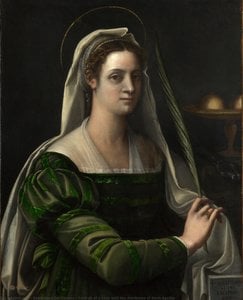
Rani Život i Formativna Godina
Sebastiano del Piombo, rođen kao Sebastiano Luciani oko 1485. godine u srcu Venecije, zauzima jedinstvenu i često zagonetnu poziciju unutar Visoke renesanse. Njegova priča nije priča o trenutnom umjetničkom priznanju, već uvjerljiv put adaptacije, migracije i konačne sintese venecijanskog kolorizma s impozantnom težinom rimskog oblika. Za razliku od mnogih suvremenika čiji su putevi bili jasno definirani od mladosti, Sebastijanovo ulazak u slikarstvo bio je pomalo odgođen; isprva privučen glazbom – posjedovao je značajnu vještinu sviranja lutnje – tek se u kasnim tinejdžerskim godinama ili ranim dvadesetima ozbiljno prihvatio platna. Ovo formativno razdoblje u Veneciji usadilo mu je trajno sklono bogatim nijansama, atmosferskoj perspektivi i poetskoj osjetljivosti koja će ostati obilježjem njegovog stila čak i nakon preseljenja u Rim. Duboki utjecaj Giorgionea posebno je očigledan u ranim atribucijama poput nedovršene *Suda nad Solomononom*, djela prožetog dramatskom naracijom i pokazujućeg inovativnog pristupa kompoziciji, nagoveštavajući umjetnički potencijal koji se sprema razviti.
Preseljenje u Rim i Uspostavljanje Glazbe
Godina 1511. označila je ključni trenutak u Sebastijaninoj karijeri kada je otputovao u Rim, grad tada pulsirajući umjetničkom energijom pod pokroviteljstvom papa Julija II. i Lea X. Ovaj potez ga je izravno stavio u orbitu Raphaela, čija je radionica bila na svom vrhuncu, a ubrzo nakon toga i u složeni svijet koji okružuje Michelangela. Zapanjujuće, za razliku od nekih umjetnika koji su se našli u sjeni tih titana, Sebastijan je uspio izrezati vlastitu nišu, čak i zaradivši poštovanje – i povremenu poticaj – notornog kritičnog Michelangela. Dva majstora prepoznali su srodnu dušu u međusobnoj potrazi za veličinom i anatomskom preciznošću; Michelangelo je aktivno promovirao Sebastijanovo djelo, potičući ga da se natječe s Rafaelom za prestižne narudžbe. Ovo rivalstvo, iako možda preuveličano od strane Vasarija, nesumnjivo je gorilo Sebastijanovu ambiciju i doprinijelo njegovoj rastućoj reputaciji. Njegova rana rimska djela, poput fresaka u Villi Farnesina – posebno *Polifem* – pokazuju majstorsko usvajanje klasičnih motiva i sve veću samouvjerenost u rukovanju velikim kompozicijama. Brzo je postajao sila na rimskoj umjetničkoj sceni, spajajući venecijansku osjetljivost s zahtjevima novog okruženja.
Sinteza Stilova: Jedinstvena Umjetnička Vizija
Umjetnički genij Sebastiana del Piomba ležao je u njegovoj sposobnosti pomirenja naizgled nespojivih tradicija Venecije i Rima. Iako čvrsto ukorijenjen u venecijanskom naglasku na boji, svjetlu i teksturi – nasljeđe naslijeđeno od Giorgionea i Titiana – prihvatio je rimsku opsesiju monumentalnim oblicima, anatomskom točnošću i dramatskom naracijom. Ova fuzija je izvanredno vidljiva u *Uskrsnuću Lazara*, moćnom oltarskom slikom naručenoj za katedralu Narbonne i sada smještenoj u Nacionalnoj galeriji u Londonu. Slika pokazuje njegovu komandu uljanim bojama kako bi stvorila sjajne tonove kože i bogate draperije, dok figure posjeduju skulpturalnu čvrstoću koja podsjeća na rad Michelangela. Ova jedinstvena mješavina ga je odvojila od suvremenika i uspostavila kao vodeću figuru u rimskoj umjetnosti nakon prerane smrti Raphaela 1520. godine. On nije samo imitirao; utirao je novi put, pokazujući da se venecijanska senzualnost i rimska veličanstvenost mogu skladno suživjeti na istom platnu. *Uskrsnuće Lazara* stoji kao svjedočanstvo njegove sposobnosti sintetizirati ove naizgled oprečne snage u koherentno i emocionalno rezonantno cjelinu.
Kasniji Život i Trajno Nasljeđe
Posljednji dio Sebastijanove života krenuo je neočekivanim smjerom 1531. godine kada je imenovan za *piombatore*, čuvara pečata Papinstva. Ova prestižna, ali zahtjevna pozicija zahtijevala je da se bavi administrativnim dužnostima pape i znatno je smanjila njegov umjetnički izlaz. Iako financijski osiguran, odgovornosti ureda ga je udaljile od slikanja, a njegova kasnija djela postala su brojnija. Nastavio je primati narudžbe, prvenstveno portrete, ali žar i inovacije njegovog ranijeg razdoblja činili su se pomalo smireni. Unatoč ovom padu produktivnosti, Sebastijan je ostao poštovana figura u rimskim umjetničkim krugovima do svoje smrti 1547. godine. Njegov utjecaj, međutim, bio je manje sveprisutan od utjecaja Raphaela ili Michelangela. To je djelomično bilo zbog nedostatka brojnih učenika i ograničenog širenja njegovog rada kroz tiskane reprodukcije – uobičajena praksa za promicanje umjetničkog stila tijekom renesanse. Ipak, Sebastijanovo del Piombovo nasljeđe ostaje svjedočanstvom moći umjetničke sinteze i trajne privlačnosti venecijanske boje spojene s rimskom monumentalnošću.
Značajna Djela
- Tri filozofa (s Giorgioneom): Majstorsko djelo u suradnji koje pokazuje rane utjecaje.
- Polifem: Freska u Villi Farnesina, koja demonstrira klasični stil i majstorstvo detalja.
- Mojsije koji prima Ploče zakona: Demonstrira majstorstvo uljanih boja na platnu i dramatičnu kompoziciju.
- Uskrsnuće Lazara: Snažna oltarska slika koja spaja venecijansku boju s rimskim oblikom.
- San Sebastijan: Evokativan prikaz sveca, koji pokazuje njegovu vještinu u portretiranju ljudskih emocija.
Njegov rad nastavlja očaravati i inspirirati, podsjećajući nas na vrijeme kada su umjetničke granice bile tekuće i inovacije procvjetale.



 Pregledaj u stvarnoj veličini
 Naručite ručno oslikano reprodukciju
 Podijeli
 Podijeli
 Detalji
 Vodič
Vodič

 Preuzmi datoteku
 Slični predmeti
 Rentgenska snimka
 Slide show
 Statistika


 Pročitajte više






































 Opcija stakla dostupna je samo za dimenzije manje od 110 cm