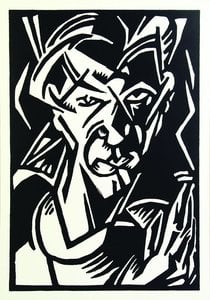
Sándor Bortnyik: Tkalač sjena i simbolizma
Sándor Bortnyik (1893-1976) ostaje duboko enigmatična figura u povijesti mađarske umjetnosti, umjetnik čija proganjajuća djela i dalje odjekuju moćnom mješavinom simbolizma, ekspresionizma i arhitektonske preciznosti. Rođen u Marosvásárhelyu, u Transilvaniji – koja je tada bila dio Kraljevine Ugarske – Bortnyikovo je stanje života obilježeno raseljavanjem i umjetnom evolucijom, što ga je na kraju oblikovalo u jedan od najprepoznatljivijih glasova njegove generacije. Njegovo naslijeđe ne leži samo u golemom korpusu slika i grafičkih radova, već i u njegovoj ključnoj ulozi odgojitelja, koji je poticao novi val mađarskih umjetnika unutar okvira principa Bauhaus škole.
Rano djetinjstvo i utjecaji
Bortnyikovo rano umjetničko obrazovanje započelo je u Budimpešti, gdje ga je odmah privukla vibrantna energija fauvizma. Međutim, politički prevrati nakon Prvog svjetskog rata prisilili su ga u egzil, što ga je 1922. godine dovelo u Weimar. Ova relokacija pokazala se transformativnom, uranjajući ga u revolucionarno okruženje Bauhaus škole. Principi funkcionalizma, geometrijske apstrakcije i naglasak na zanatskoj vještini duboko su utjecali na njegov umjetnički razvoj. Studirao je pod vodstvom majstora poput Johannesa Ittena i Lyonela Feiningera, upijajući njihove filozofije dok je istovremeno stvarao vlastiti jedinstveni vizualni jezik. Utjecaj kubizma jasno je primjetan u njegovim ranim radovima, osobito u fragmentaciji formi i istraživanju višestranih perspektiva – tehnici koju će kasnije majstorski integrirati sa simboličkim slikarijama.
Majstor komercijalne umjetnosti i grafičkog dizajna
Unatoč svom angažmanu u avantgardnim pokretima, Bortnyikova je karijera bila neraskidivo povezana s svijetom komercijalne umjetnosti. Brzo se etablirao kao izuzetno tražen dizajner plakata, stvarajući upečatljive vizualne komunikacije za širok spektar klijenata – od proizvođača parfema poput Savolya do cigaretnih kompanija poput Modiana. Ovi plakati nisu samo oglasi; oni su minijaturna umjetnička djela, okarakterizirana jarkim bojama, dinamičnim kompozicijama i često prožeta osjećajem melanholije ili predosjećaja nečeg lošeg. Njegovi su dizajni bili nevjerojatno inovativni za svoje vrijeme, uvodeći modernističko-konstruktivističku estetiku na mađarsko tržište.
Radionica i naslijeđe Bauhausa
Godine 1928. Bortnyik je osnovao „Radionicu” (Mühely), privatnu umjetničku školu u Budimpešti koja je postala ključni inkubator mađarskog umjetničkog talenta. Crpeći obilno iz principa Bauhausa, naglašavao je eksperimentiranje s materijalima, tehnikama i konceptualnim pristupima. Njegov je nastavni plan poticao duh inovacije i poticao studente da osporavaju tradicionalne predstave o stvaranju umjetnosti. Također je služio kao direktor Mađarske akademije likovnih umjetnosti od 1949. do 1956. godine, oblikujući umjetnički krajolik poslijeratne Mađarske. Njegova predanost obrazovanju protezala se izvan formalne nastave; aktivno je nastojao izložiti svoje studente međunarodnim razvojima u umjetnosti i dizajnu, potičući međukulturni dijalog koji je obogatio njihovu kreativnu praksu.
Teme smrti, transformacije i urbanog krajolika
Bortnyikovo djelo duboko je prožeto temama smrti, propadanja i transformacije. Njegova najpoznatija djela – često nazivana „slikama tunela” – prikazuju klaustrofobične prostore ispunjene izobličenim figurama, fragmentiranim oblicima i sveprisutnim osjećajem nelagode. Ove slike prizivaju psihološke tjeskobe modernog doba, odražavajući fascinaciju smrtnošću i krhkošću ljudskog postojanja. Upotreba tamnih boja, dramatičnog osvjetljenja i simboličkih motiva – poput lubanja, uvenulih cvjetova i usamljenih figura – stvara atmosferu duboke melanholije. Ipak, usred te tame često se nazire iskra nade ili otpornosti, sugerirajući mogućnost obnove i ponovnog rađanja. Njegine slike često prikazuju urbane krajolike, hvatajući izolaciju i otuđenost modernog života, dok istovremeno istražuju ljepotu i misterij skrivene u sjeni grada.
Bortnyikovo rad nastavlja se proučavati i diviti njegovoj proganjajućoj ljepoti, tehničkoj majstorstvu i dubokom istraživanju ljudskog stanja. On ostaje ključna figura u povijesti mađarske umjetnosti, svjedočanstvo snage umjetničke vizije i trajnog naslijeđa pokreta Bauhaus.



 Pregledaj u stvarnoj veličini
 Prebacite na prodaju printova
 Podijeli
 Podijeli
 Detalji
 Vodič
Vodič

 Preuzmi datoteku
 Slični predmeti
 Rentgenska snimka
 Slide show
 Statistika
 Pročitajte više