Biografija umjetnika
Život Uronjen u Snoviđenja: Svijet Salvadora Daléa
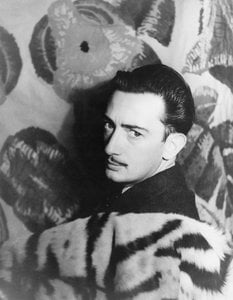
Salvador Domingo Felipe Jacinto Dalí i Domènech, ime sinonimno za nadrealizam, rođen je 11. svibnja 1904. godine u suncem okupanoj općini Figueres, Španjolska. Njegov život bio je osuđen na neobičnost, pažljivo izgrađena predstava, istraživanje podsvijesti prikazano kroz šokantne slike i tehničku briljantnost. Rane godine bile su obilježene osjećajem gubitka; njegov stariji brat, također zvan Salvador, umro je samo devet mjeseci prije Daléhoeva rođenja, trauma koja će prožimati njegovu umjetnost temama dualnosti i zamjene. Ta formirajuća iskustva, u kombinaciji s kompleksnim odnosom prema ocu, strogom ali pragmatičnom čovjeku, te majčinskom nježnošću, oblikovala su osobnost istovremeno ekscentričnu i duboko introspektivnu. Od mladosti je Dalí pokazivao izvanredan umjetnički talent, njegovan formalnim obrazovanjem na Akademiji likovnih umjetnosti San Fernando u Madridu. Međutim, ključni susret sa suvremenom slikarskom baštinom – posebice djelima impresionista i renesansnih majstora – potaknuo je u njemu žaru da se otrgne od tradicije i stvori vlastiti jedinstveni put.
Pariz Kao Krucijalno Iskustvo i Rođenje Nadrealističke Vizije
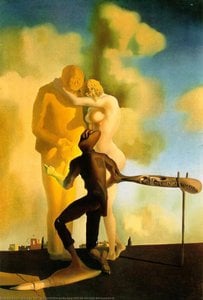
Putovanje u Pariz 1926. godine pokazalo se transformativnim, uranjajući Daléa u srce avangardnog pokreta. Bio je privučen pobunjeničkim duhom dadaizma, odbacivanjem logike i prihvaćanjem apsurda koji su rezonirali s njegovim umjetničkim težnjama. Što je još važnije, upravo u Parizu je potpuno prihvatio nadrealizam, povezujući se s ključnim figurama poput Andréa Bretona, Pabla Picassa – kojeg je Dalí duboko poštovao – i Joana Miróa. Ovaj susret nije bio samo usvajanje stila; Dalí je sam pokret revolucionirao. Razvio je ono što je nazvao "paranoično-kritičku metodu", stanje samoinducirane paranoje dizajnirano da otključava skrivene slike podsvijesti. Ova tehnika omogućila mu je da snove, anksioznosti i duboko osobne simbole prevede na platno s iznenađujućom jasnoćom i pomiješanim detaljima. Rezultat je bio svijet naseljen topljenim satovima, produženim sjena, iskrivljenim figurama i bizarnim spojenjima – prepoznatljive karakteristike njegovog stila. Postojanost pamćenja, dovršeno 1931., ostaje možda njegovo najikoničnije djelo, koje utjelovljuje nadrealističko istraživanje fluidnosti vremena, krhkosti sjećanja i neizbježnosti propadanja.
Izvan Platna: Prolificni i Svestrani Umjetnik
Daléhovo kreativno stvaralaštvo protezalo se daleko iznad slikarstva. Bio je iznimno prolifican umjetnik, upućujući se u skulpturu, film – posebice suradnje s Alfredom Hitchcockom u Spellbound i Waltom Disneyjem – grafičku umjetnost, dizajn nakita te čak i scenske kostime. Njegova fascinacija nije bila ograničena na tradicionalne umjetničke medije; istraživao je granice komercijalne umjetnosti, dizajnirao oglase i izložbene vitrine. Ponovljene teme prožimale su njegov rad: mravi koji simboliziraju propadanje, jaja koja predstavljaju prenatalni život i nadu, štakovi koji ukazuju na podršku i krhkost, ladice koje nagovještavaju skrivene tajne i predmeti u topljenju koji utjelovljuju nestabilnost stvarnosti. Ovi simboli nisu bili proizvoljni; bili su duboko osobni, ukorijenjeni u njegove vlastite anksioznosti, želje i sjećanja. Djela poput Julietine grobnice, potresno istraživanje gubitka,Mannequin (Barcelona Mannequin), koji odražava opsesiju umjetnošću i identitetom te Prizor s muhama, poremećujući prikaz smrtnosti, demonstriraju širinu i dubinu njegovih tematskih briga. Njegova pomiješana tehnika, uobličena godinama prakse, omogućila mu je da ove fantastične vizije prikaže fotografskom realizmom, dodatno pojačavajući njihovu uznemirujuću moć.
Ekscentričnost, Ostavština i Trajni Utjecaj
Tijekom svog života, Dalí je kultivirao osobnost ekscentričnu kao i njegova umjetnost. Prihvatio je samodovoljnost, razumijevajući moć spektakla u privlačenju javne pozornosti. Njegov brak s Galom Éluard 1934. godine bio je ključan, ne samo osobno već i umjetnički; ona je postala njegova muza, poslovna menadžerica i nesalomljiva podrška. Iako su ga kasnije godine obilježile sve više komercijalnih pothvata te ponekad kontroverznom prihvaćanjem režima Franca, njegova umjetnička ostavština ostaje golema. Umro je 23. siječnja 1989., ostavljajući iza sebe djelo koje i dalje izaziva, provocira i inspirira. Muzej Salvadora Daléa u St. Petersburgu, Florida, svjedočanstvo je njegove trajne privlačnosti, domaćin opsežne zbirke koja posjetiteljima omogućuje uranjanje u svijet ovog izvanrednog umjetnika. Dalí je nadmašio granice umjetnosti, postao kulturni ikona čiji se utjecaj može vidjeti u modi, filmu, oglašavanju i popularnoj kulturi. Ostaje jedan od najprepoznatljivijih i najutjecajnijih umjetnika 20. stoljeća – pravi vizionar koji se usudio istražiti dubine podsvijesti i prevesti njegove misterije na platno za cijeli svijet da vidi.



 Pregledaj u stvarnoj veličini
 Prebacite na prodaju printova
 Podijeli
 Podijeli
 Detalji
 Vodič
Vodič

 Preuzmi datoteku
 Slični predmeti
 Rentgenska snimka
 Slide show
 Statistika


 Pročitajte više






































 Opcija stakla dostupna je samo za dimenzije manje od 110 cm