Djelo prikazano na ovoj stranici zaštićeno je autorskim pravima, što znači da zakonski ne možemo izraditi niti prodati identičnu reprodukciju. Ova se zaštita provodi u skladu s međunarodnim sporazumima kao što su Bernska konvencija i nacionalnim zakonima, uključujući i one koji su utvrđeni u Američki zakon o autorskom pravu – Title 17.
Ova metoda u potpunosti je usklađena s autorskim pravima jer ne uključuje kopiranje ili dupliciranje zaštićenih umjetničkih djela. Umjesto toga, riječ je o kreativnoj reinterpretaciji – novoj slici koja je dobila utjecaj na izvornik, ali nije identična njemu.
Giclée tisak muzejske kvalitete ili otisak na platnu uz brzu izradu i raznolike opcije završne obrade. ( Kupi ručno oslikano djelo Prebacite na digitalnu sliku)





























Odaberite jednu od naših unaprijed definiranih veličina koje odgovaraju izvornim proporcijama umjetničkog djela.

Unesite potrebnu širinu i visinu kako bi odgovarali vašem okviru ili zidu. Print se može samo izrezati, nikada ne može biti veći od slike, stoga format s drugačijim omjerom stranica uzrokuje gubitak dijela slike. Prije bilo kakve štampe šaljemo vam digitalni prikaz (mockup) na odobrenje. Slika prikazana na ovoj stranici ne prikazuje stvarni rez — to prikazuje isključivo digitalni prikaz.
Dostava širom svijeta () u roku od 2 tjedna umjesto standardnih 4/5 tjedana. (21 Studeni)
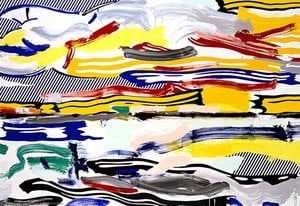
Sinking Sun
Veličina reprodukcije
Roy Lichtenstein’s Sinking Sun, painted in 1964, isn't merely a depiction of a sunset; it’s a carefully constructed meditation on the anxieties and visual language of the burgeoning Pop Art movement. Emerging from the shadows of Abstract Expressionism, Lichtenstein sought to dismantle traditional notions of fine art by embracing the imagery of popular culture – advertising, comic books, and everyday objects – transforming them into sophisticated works of art. Sinking Sun embodies this shift perfectly, capturing a fleeting moment of dramatic beauty while simultaneously hinting at an underlying sense of unease.
The painting’s genesis lies in the artist's fascination with the visual techniques employed in commercial printing, particularly the use of Ben-Day dots. This technique, borrowed from the world of mass production, creates a mosaic effect of tiny colored squares that mimics the appearance of halftone patterns found in newspapers and magazines. Lichtenstein masterfully employs this method to render the fiery hues of the sunset – vibrant yellows, deep oranges, and streaks of purple – imbuing the scene with an almost photographic quality while simultaneously distancing it from traditional representational painting. The deliberate flatness of the color fields contributes to the work’s immediate impact, drawing the viewer into its bold and dynamic composition.
The composition of Sinking Sun is deceptively simple yet profoundly effective. A dramatic sunset dominates the canvas, with a large, cloud-obscured sun positioned just above the horizon line. The clouds themselves are rendered in soft pinks and blues, creating a sense of depth and atmospheric perspective. A subtle rainbow arcs across the upper portion of the painting, adding a touch of hopeful beauty to the scene – a fleeting promise after the intensity of the sunset. However, it’s not just a picturesque landscape; the receding horizon line suggests a downward trajectory, subtly conveying a feeling of decline or transition.
The choice of subject matter itself is significant. A sinking sun has long been a potent symbol in art and literature, representing endings, mortality, and the passage of time. In Sinking Sun, this symbolism is amplified by Lichtenstein’s stylistic choices. The bright colors and simplified forms contrast sharply with the melancholic connotations of the subject matter, creating a compelling tension between beauty and sadness.
Lichtenstein’s work, including Sinking Sun, played a pivotal role in challenging established artistic conventions. By appropriating imagery from popular culture – a deliberate move away from the traditional subjects of fine art – he questioned the very definition of what constituted “art.” His use of comic book aesthetics, bold colors, and mass-produced techniques directly confronted the elitism and intellectualism often associated with the art world. Sinking Sun exemplifies this challenge, demonstrating how seemingly mundane imagery could be elevated to a level of artistic significance.
Today, Sinking Sun is recognized as an iconic image of American Pop Art and a testament to Lichtenstein’s innovative approach. Its vibrant colors, meticulous attention to detail, and subtle symbolism continue to resonate with viewers. The painting serves as a poignant reminder of the cultural landscape of its time – a period marked by rapid technological advancements, consumerism, and a growing sense of uncertainty. More than just a beautiful image, Sinking Sun offers a glimpse into the anxieties and aspirations of a generation grappling with the complexities of modernity. It’s a work that invites contemplation and rewards repeated viewing, revealing new layers of meaning with each encounter.
Further Resources: Roy Lichtenstein: Sinking sun, Roy Lichtenstein: Figures with sunset, Roy Lichtenstein: We rose up slowly, Roy Lichtenstein: Crying girl
Artist Information: Roy Fox Lichtenstein (1923-1997) was an American pop artist. He rose to prominence in the 1960s through pieces which were inspired by popular advertising and the comic book style. Much of his work explores the relationship between fine art, advertising, and consumerism.
Additional Research: Roy Lichtenstein, Roy Lichtenstein Foundation
Za "Sinking Sun" autora Roy Lichtenstein preporučuje se reprodukcija dimenzija Medium. Veličina se može prilagoditi uz zadržavanje proporcija.
Umjetno-povijesna klasifikacija djela "Sinking Sun" autora Roy Lichtenstein pripada stilu Pop Art, u razdoblju Modern.
Zabilježene vrijednosti za "Sinking Sun" autora Roy Lichtenstein su: svjetlina brilliant, luminancija Bright Balance.

Manhattan, New York City, 27. listopada 1923. Roy Lichtenstein dolazi na svijet kao sin Miltona i Beatrice. Urbana energija metropole pruža kulisu životu koji će na kraju prkorsiti granicama visoke umjetnosti. Odlaskom u odgoj u imućnoj, srednjoetničkoj židovskoj obitelji, on polako upija kulturne ritmove grada kroz muzeje i jazz glazbu.
Trajektorija njegove karijere mijenja se tijekom sredine dvadesetog stoljeća. On se izdvaja kao vodeća figura pokreta Pop Art, razdoblja koje definira radikalni odmak od teških, emocionalnih poteza četkicom svojstvenih apstraktnom ekspresionizmu. Umjesto da gleda prema unutra, on gleda prema van, prema sjajnim, mehaničkim površinama američke masovne kulture. Svoju temu pronalazi u najzanemarenijim kutovima svakodnevice: dramatičnim panelima stripova i oštim, repetitivnim uzorcima komercijalnih oglasa.
Njegovo rad pretvara prolazni jezik tiska u nešto monumentalno. Usvajanjem vizualnog rječnika masa, on prisiljava na sukob prestiža vrhunskih galerija i svakodnevnog pulsa ulice. Njegovo prisustvo u svijetu umjetnosti obilježeno je namjernom distancijom, koristeći upravo alate industrijske reprodukcije kako bi redefinirao samu bit slikarstva.
Manhattan, 1923. Grad služi kao kulisa za dolazak Roya Foxa Lichtensteina u obitelj židovskog srednjeg sloja. Njegov otac, Milton, radi kao agent za nekretnine, dok ga majka, Beatrice, školovana pjevačica na klaviru, uvodi u kulturne ritmove New Yorka. Te rane godine obilježene su dvostrukom uranjanjem u vizualno i auditivno iskustvo; djetinjstvo provodi istražujući muzeje i slušajući koncerte, razvijajući duboko poštovanje prema jazz glazbi koje će mu pratiti kroz cijeli život.
Njegov put usmjerava se prema formalnoj disciplini 1939. godine. Pristupa Art Students League u New Yorku, stavljajući se pod mentorstvo Reginalda Marsha. Ovdje je fokus ostao na temeljima crteža i slikarstva. Iz tih ranih istraživanja prelazi u visoko obrazovanje, upisivši Sveučilište u Ohio, kako bi stekao diplomu iz likovnih umjetnosti. Ta akademska podloga pruža tehničku rigoroznost koja će kasnije poslužiti kao temelj njegovim radikalnim odstupanjima od tradicionalne reprezentacije.
Lichtensteinov obrazovni put naglo se mijenja 1943. godine. Vojna obveza izvodi ga iz učionice i uvodi u okrilje američke vojske. Tijekom dvije godine, fokus se s umjetničkog ateljera seli na rascjepane frontove Europe. Službujući u Francuskoj, Belgiji i Njemačkoj, on navigira kroz kaos ratnih godina između 1943. i 1945. godine. U tom razdoblju, radeći kao vojni pripravnik, tehničar i umjetnik, on skicira stvarnost koja ga okružuje dok sukob dostiže svoj vrhunac.
Rat završava, ali povratak u civilni život ne dolazi trenutačno. Nakon prestanka neprijateljstava 1945. godine, Lichtenstein ostaje u Francuskoj na određeno vrijeme, s namjerom da studira na Sorboni. Taj plan se raspada kada mu otac postane teško bolestan, što ga prisiljava na povratak u Sjedinjene Američke Države. On se vraća na Sveučilište u Ohio kako bi dovršio ono što je započeo. Do 1946. godine, on dovršava svoj studij umjetnosti, spreman ponovno zakoračiti u profesionalni umjetnički svijet kao školovani umjetnik.
Posljetratne godine donose Roy Lichtenstein u akademski svijet američkog Središnjeg zapada i Istočne obale. Kao instruktor umjetnosti na Sveučilištu u Ohio State, na toj poziciji provodi desetljeće, povremeno je obavljajući. Tijekom tog razdoblja, njegov kreativni izraz prolazi kroz značajnu transformaciju. Odmaknuvši se od teških, emocionalnih poteza četkicom svojstvenih apstraktnom ekspresionizmu, on počinje eksperimentirati s kubističkim interpretacijama i lirskim djelima inspiriranim Bayeux tapiserijom. Istovremeno istražuje teme Divljeg zapada, stvarajući serije crteža i slika koje odražavaju rastuće zanimanje za stiliziranom, tiskarskom slikom.
Prelazak prema grafičkom jeziku ubrzava se kroz njegove razne akademske angažmane. Godine 1957. seli se na Državno sveučilište u New Yorku, Oswego, kako bi podučavao industrijski dizajn. Ova uloga koincidira s razdobljem intenzivnih eksperimenata. On počinje kombinirati crtane likove, poput Mickey Mousea i Donald Duck, s apstraktnim pozadinama. Ovaj hibridni pristup predstavlja odmak od tradicionalne likovne umjetnosti. Kasnije djeluje kao pomoćni profesor na Douglass College, Rutgers, Državnom sveučilištu New Jerseyja, te kao pomoćni profesor na SUNY Oswego. Ti akademski okruženja pružaju stabilnost potrebnu za rafiniranje vizualnog jezika koji odbacuje teksturu tradicionalnog slikarstva u korist nečeg mehaničkog i distanciranog.
Platno postaje prostor mehaničke preciznosti. Roy Lichtenstein uklanja vidljive poteze četkice, zamjenjujući umjetnikovu ruku hladnim, izračunatim jezikom masovne proizvodnje. On usvaja estetiku stripova i reklama, koristeći jarke, primarne boje i debele crne konture kako bi definirao svoje motive. Njegova slika djeluje distancirano, oponašajući ravninu i impersonalnost tiskane stranice, umjesto površine koja nosi trag ručnog rada.
Tekstura se postiže namjernom, sistematičnom primjenom Ben-Day točaka. Ti mali, obojeni krugovi stvaraju sjene i gradacije, replicirajući izgled jeftinog komercijalnog tiska. On te točke ne slika pojedinačno; umjesto toga, koristi šablone izrađene od tankog plastika ili metala, prelažući četkicom ili krpom preko površine kako bi osigurao ujednačen, industrijski izgled. Ova tehnika pretvara čin slikanja u proces reprodukcije, brišući granicu između visoke umjetnosti i industrijskog proizvoda.
Preokret prema njegovom prepoznatljivom stilu događa se 1961. godine s djelom Look Mickey. U ovom radu, prisvjetljavanje Disneyjevog lika označava odmak od njegovih ranijih apstraktnih eksperimenata. Roy Lichtenstein se udaljava od teških, emocionalnih poteza kistom koji su obilježili prethodno desetljeće, birajući umjesto toga mehaničku jasnoću stripa. To djelo služi kao most, prevodeći jezik žanrovske fikcije u formalnu kompoziciju velikih dimenzija.
Do 1963. godine, razmjere njegovog vizualnog istraživanja značajno se šire. Whaam! eksplodira na platnu, koristeći dramatične, fragmentirane panele ratnih stripova kako bi uhvatio trenutak intenzivnog nasilja. Istovremeno, Drowning Girl predstavlja drugačiju vrstu napetosti. Fokus je na ženi uronjenoj u vodu, čije je lice obilježeno stiliziranim suzama i oblačićem za govor koji izražava osjećaj osobite prkosa. Ova djela ne prikazuju samo scene; ona zamrzavaju melodramu masovnih medija u statične, grafičke objekte.
Slika Nurse iz 1964. godine nastavlja ovo istraživanje romantičnog i dramatičnog. Ona koristi iste kontraste i Ben-Day točke koji definiraju njegovo najpoznatije razdoblje. Subjekt, medicinska sestra iz romantičnog stripa, prikazana je s određenim otuđenjem koje naglašava umjetnost i umjetnost samog izvornog materijala. Njegov rad u ovom razdoblju ostaje usredotočen na presjek ljudskih emocija i industrijske reprodukcije.
Dvadeset je prvi stoljeće donijelo značajnu promjenu u njegovom privatnom životu kada se 1968. godine vjenčao za Dorothy Herzku. To razdoblje obilježeno je kontinuiranim stvaranjem golemog korpusa djela, čime je proširio svoj umjetnički domet kroz različite medije. Njegova je produktivnost ostala iznimna, obuhvaćajući više od pet tisuća djela, uključujući slike, skulpture i murale. Roy Lichtenstein je uspio nadmašiti početni šok koji je izazvao njegov stil inspiriran stripovima, te se usredotočio na istraživanje složenijih kompozicija, uključujući serije koje su referirale na klasičnu umjetnost i pejzaže.
Kraj je došao naglo krajem 1990-ih. U kolovozu 1997. godine obuzela ga je upala pluća. Ta je bolest bila preteška za njegov organizam. Roy Lichtenstein preminuo je od komplikacija infekcije 29. rujna 1997. godine, u dobi od 73 godine.
Granice između visoke umjetnosti i popularne kulture počinju se topiti pod utjecajem njegovog rada. Podignutši vizualni jezik stripova i reklama u galerijske prostore, Roy Lichtenstein prisilio je na sučeljenje fine umjetnosti i masovno proizvedenih slika svakodnevnog života. Taj pomak učinio je nešto mnogo dublje od promjene teme slikarstva; on je preispitao samu definiciju umjetničkog autorstva i originalnosti. Njegovo djelo i dalje služi kao katalizator za kritički dijalog o presjeku umjetnosti, kulture i komercijalnog svijeta.
Njegova prisutnost osjeća se u vodećim muzejskim kolekcijama diljem svijeta. Od dvorana Tate u Londonu do Muzeja suvremene umjetnosti u New Yorku, njegova estetika ostaje temeljni dio modernog kanona. Utjecaj njegove metode proteže se na grafički dizajn, ilustraciju i suvremenu digitalnu umjetnost, gdje napetost između mehaničkog i ručno oslikavanog i dalje snažno odjekuje. On nije samo sudjelovao u pokretu Pop arta; on je pomogao njegovom nastanku, uspostavljajući vizualni vokabular koji ostaje primarna referentna točka za način na koji konzumiramo slike u današnjem medijski zasićenom dobu.

1923 - 1997 , Sjedinjene Američke Države

Explore the psychological depth of Roy Lichtenstein's color theory. An expert analysis for art students and collectors on Ben-Day dots, primary palettes, and the intersection of Pop Art with mass media history.

Explore the fascinating history of Pop Art, from its rebellious origins to its enduring influence on contemporary artists. Discover key figures like Warhol & Lichtenstein and learn about collecting this iconic movement.
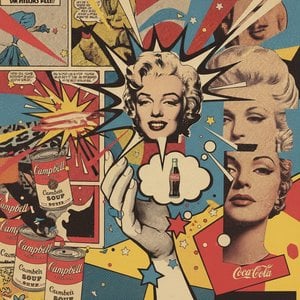
Immerse yourself in the vibrant legacy of Pop Art. Explore the stories, bold colors, and iconic techniques behind ten legendary masterpieces that redefined modern culture. Find museum-quality reproductions to elevate your space. Discover all masterpieces on WahooArt.com.

Immerse yourself in the vibrant world of Pop Art with our curated guide to Roy Lichtenstein's top 25 masterpieces. Explore the stories behind his iconic Ben-Day dots and bold comic aesthetics. Find museum-quality reproductions for your decor at WahooArt.com. Discover all masterpieces online.
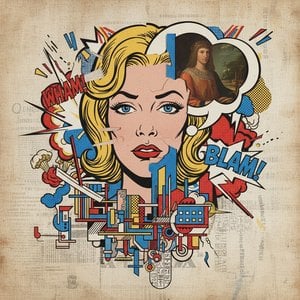
Explore Roy Lichtenstein's revolutionary Pop Art! Discover the story behind Ben-Day dots, iconic works like 'Whaam!', and investment insights for collectors. Expert analysis & high-quality reproductions at WahooArt.
 Pregledaj u realnoj veličini
 Pošalji
 Podijeli
 Detalji o umjetničkom djelu
 Vodič
Vodič

 Preuzmi umjetničko djelo
 Slični predmeti
 Rentgenska snimka
 Slide show
 Pitanja i odgovori
 Statistika

 Prikaži više









 Opcija stakla dostupna je samo za dimenzije manje od 110 cm