BESPLATNE UMJETNIČKE KONSULTACIJE

x
Kupi otisak Kupi otisakNaručite reprodukciju Naručite reprodukciju PošaljiPošalji
DetaljiDetalji Dodaj u omiljene Dodaj u omiljene PreuzmiPreuzmi Slični predmetiSlični predmeti Rentgenska snimkaRentgenska snimka Automatska prezentacijaAutomatska prezentacija

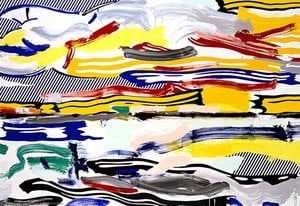
Forest Scene with Temple

Admire Roy Lichtenstein's 'Forest Scene with Temple,' a vibrant acrylic and oil painting inspired by comic book aesthetics, capturing a lush forest landscape and symbolic temple imagery.

Roy Lichtenstein je bio američki pop umjetnik poznat po korištenju Ben-Day noktica, inspiraciji iz stripova i kritičkom mišljenju o potrošačkoj kulturi. Pogledajte 'Whaam!' i druge djela!

Kupite digitalnu sliku visoke rezolucije i poboljšane kvalitete, koja je znatno superiornija od online prikaza.

Svaka datoteka pedantno je pripremljena od strane naših internih stručnjaka koristeći napredne alate i vještinsku ručnu retušu. Osiguravamo da svaka slika ima iznimnu jasnoću, preciznu točnost boja i visoku razinu detalja.

Konačna datoteka dostavlja se putem e-pošte u roku od 72 sata, optimizirana za neposrednu upotrebu u profesionalnim, uredničkim i tiskarskim okruženjima. To je ista kvaliteta kojoj vjeruju vrhunski studiji dizajna, izdavači i galerije.

Digitalna slika

Preuzmite datoteku visoke rezolucije za osobnu izložbu, tisak i kreativne projekte.

Ukupna cijena

$9.99

Uključeno uz svaku narudžbu digitalne slike

Profesionalna digitalna dostava, zajamčena

Odabirom WahooArt.com ne dobivate samo sliku – dobivate profesionalno unapređeno digitalno umjetničko djelo, izrađeno s najvećom preciznošću uz jamstvo zadovoljstva. Evo svega što automatski dolazi uz vašu narudžbu:

shipping_icon
Brza dostava e-poštom

Vaša digitalna slika visoke rezolucije bit će vam poslana e-mailom u roku od 72 sata od narudžbe – spremna za neposrednu upotrebu.

canvas_icon
Digitalna datoteka poboljšana AI-om

Vaše umjetničko djelo profesionalno je optimizirano pomoću naprednih AI alata i ručnog uređivanja, čime se osigurava maksimalna razina detalja, oštrine i točnosti boja.

insurance_icon
Besplatna ponovna dostava doživotno

Slučajno ste obrisali ili izgubili svoju datoteku? Ne brinite – ponovno ćemo vam je poslati u bilo kojem trenutku, potpuno besplatno.

tax_icon
Bez uvoznih carina – ikada

Uživajte u svojim umjetničkim djelima trenutno, bez carina, pristojbi ili troškova dostave – digitalne datoteke uvijek su oslobođene poreza.

color_icon
Jamstvo točnosti boja

Uz pomoć profesionalnih alata i upravljanja bojama, osiguravamo da vaša digitalna slika što vjernije odražava izvorne boje.

return_icon
Jamstvo zadovoljstva u trajanju od 60 dana

Ako niste zadovoljni svojom digitalnom slikom, revidirat ćemo je ili vratiti 100% novca u roku od 60 dana – bez ikakvih pitanja.

guarantee_icon
100% Jamstvo povrata novca

Niste zadovoljni? Osigurajte puni povrat novca u roku od 60 dana od primitka vaše digitalne datoteke – bez suvišnih pitanja.

discount_icon
Popusti na velike narudžbe

Kupite 3 slike, uštedite 10% - Kupite 5 slika, uštedite 15% - Kupite 10+ slika, uštedite 20%. Odlično za kreativne projekte, galerije i agencije.

Osnovne informacije

  • Notable elements or techniques: Ben-Day dots, Comic strip inspiration
  • Artist: Roy Lichtenstein
  • Medium: Acrylic, oil, graphite pencil on canvas
  • Location: Private Collection
  • Title: Forest Scene with Temple
  • Artistic style: Bold commentary
  • Movement: Pop Art

Opis kolekcionarskog djela

Roy Lichtenstein’s Forest Scene with Temple: A Pop Art Meditation on Nature and Ritual

Roy Fox Lichtenstein (1923-1997) irrevocably altered the trajectory of twentieth-century art, establishing himself as a pivotal figure within the Pop Art movement. His genius lay not merely in replicating familiar imagery—advertising billboards and comic strips—but in transforming them into profound artistic statements that interrogated societal values and explored complex psychological themes. Born in Manhattan to German Jewish parents, Lichtenstein’s formative years fostered both an appreciation for cultural heritage and a burgeoning artistic sensibility nurtured by early exposure to museums and jazz music. This blend of influences would propel him toward a revolutionary approach to painting, one characterized by bold color palettes, stylized Ben-Day dots, and a deliberate rejection of traditional artistic conventions.
  • Subject Matter: Lichtenstein’s “Forest Scene with Temple” depicts a serene woodland landscape punctuated by an ancient temple structure. The composition eschews realistic representation in favor of simplified forms and vibrant hues, prioritizing emotional resonance over meticulous detail.
  • Style & Technique: The artwork exemplifies Lichtenstein's signature Pop Art style—a deliberate appropriation of commercial printing techniques. He employed a technique known as “Ben-Day dots,” meticulously applied to create an illusion of color through halftone patterns. This method, borrowed from comic book production, lends the painting a distinctive visual texture and contributes to its overall aesthetic impact.
  • Historical Context: Created in 1986, "Forest Scene with Temple" emerged during Lichtenstein’s peak creative period—a time marked by experimentation with color theory and an ongoing fascination with exploring the intersection between art and popular culture. It reflects a broader trend within Pop Art to challenge artistic elitism and engage with themes of consumerism and spirituality simultaneously.
  • Symbolism: The temple itself serves as a potent symbol of faith, tradition, and contemplation—contrasting sharply with the seemingly carefree atmosphere of the forest. Lichtenstein’s use of color—particularly reds, yellows, and blues—amplifies these symbolic associations, conveying feelings of warmth, vibrancy, and spiritual yearning.
  • Emotional Impact: “Forest Scene with Temple” transcends mere visual depiction; it invites viewers to contemplate questions of beauty, ritual, and the relationship between humanity and nature. Lichtenstein’s masterful manipulation of color and form generates a captivating emotional experience—one that captures both tranquility and underlying tension.

The Ben-Day Dot Technique: A Revolutionary Approach to Color Reproduction

Lichtenstein's pioneering use of the Ben-Day dot technique represents a radical departure from traditional painting methods. Developed in the early 1960s, this process involved meticulously applying tiny dots of colored ink onto canvas—a method originally employed for printing advertisements and comic books. The resulting halftone pattern creates an illusion of color by varying the density of dots, mimicking the way light reflects off surfaces. This technique not only achieved Lichtenstein’s desired aesthetic but also fundamentally altered the possibilities of artistic expression. It allowed him to convey complex emotions and visual textures with unprecedented precision—a testament to his inventive spirit and unwavering commitment to pushing artistic boundaries.

Beyond Imitation: Lichtenstein's Engagement With Pop Art Ideals

Unlike many artists of his time who sought to emulate the grandeur of Impressionism or Romanticism, Lichtenstein deliberately rejected these stylistic conventions—embracing instead the ethos of Pop Art. Influenced by figures like Andy Warhol and Jasper Johns, Lichtenstein championed a rejection of artistic pretension and an embrace of everyday subjects—drawing inspiration from advertising imagery and comic strip aesthetics. This stance was driven by a conviction that art should engage with contemporary culture and address pressing social concerns—a perspective that continues to resonate with artists and audiences today.

A Legacy Enduring Through Reproduction

WahooArt’s meticulous reproductions capture the essence of Lichtenstein's “Forest Scene with Temple,” faithfully reproducing its vibrant colors, distinctive Ben-Day dot texture, and evocative composition. Each print is crafted using archival inks on premium canvas—ensuring that this iconic artwork retains its beauty and integrity for generations to come. Explore a stunning high-resolution image and discover the transformative power of owning a piece of art history.

Srodna umjetnička djela


Biografija umjetnika

The Genesis of a Pop Visionary

Roy Fox Lichtenstein, born in the vibrant metropolis of New York City on October 27, 1923, indelibly altered the landscape of twentieth-century art. Emerging as a pivotal figure within the Pop Art movement, Lichtenstein didn’t simply reflect his era; he actively interrogated it, transforming commonplace imagery into compelling artistic statements. His upbringing in an upper-middle-class Jewish family fostered both a cultural awareness and an early artistic inclination. Childhood exposure to museums and concerts, coupled with a deep appreciation for jazz music, laid the groundwork for a creative spirit that would challenge conventional notions of fine art. Though initially drawn to realistic drawing and painting during his formative years, Lichtenstein’s formal training commenced at the Art Students League in 1939 under Reginald Marsh, followed by studies at Ohio State University – interrupted briefly by wartime service in the Army. These experiences provided a robust technical foundation that would later be brilliantly re-contextualized through the lens of mass culture and commercial aesthetics. The seeds of his signature style weren’t sown within the hallowed halls of artistic tradition but rather in the often-overlooked world of everyday imagery, particularly comic books and advertising.

Early Influences and Artistic Exploration

Lichtenstein's formative years were marked by a fascination with European art history—particularly Rembrandt and Picasso—whose mastery of chiaroscuro and expressive brushwork profoundly impacted his artistic sensibilities. He absorbed the lessons of Reginald Marsh at OSU, embracing abstraction as a means of conveying emotion and exploring innovative compositional techniques. His early drawings demonstrated an acute sensitivity to line and form, reflecting a meticulous attention to detail that would characterize his later work. Lichtenstein’s intellectual curiosity extended beyond art; he pursued scientific studies alongside his artistic endeavors, demonstrating a holistic approach to learning and creative expression. He was deeply influenced by Allan Kaprow's proto-pop aesthetic—specifically, the concept of "chance operations"—which encouraged him to experiment with unconventional materials and processes. The American Museum of Natural History served as an enduring source of inspiration, fostering his appreciation for natural forms and stimulating his imaginative vision.

The Birth of Pop Art: Comic Books and Commercial Reproduction

The pivotal moment in Lichtenstein’s artistic trajectory arrived during his tenure at Rutgers University where he encountered Allan Kaprow, whose influence reignited Lichtenstein’s interest in the burgeoning movement of Pop Art. Recognizing the potential for artistic innovation within popular culture—particularly comic books and advertising—he embarked on a radical stylistic transformation that would redefine the boundaries between “high” and “low” art. He began meticulously recreating comic strip images using techniques mimicking commercial printing processes, most notably employing Ben-Day dots – tiny colored squares that created halftone patterns—to simulate the texture of newspaper reproduction. This wasn’t merely imitation; it was a deliberate critique of mass culture and its impact on artistic expression. Lichtenstein's first major Pop painting, *Look Mickey* (1961), immediately established him as a pioneer of this new aesthetic direction. He skillfully manipulated color palettes and compositional arrangements to convey both humor and pathos—challenging traditional notions of artistic seriousness while simultaneously engaging with the visual language of popular media.

Major Achievements and Artistic Legacy

Lichtenstein’s prolific output spanned decades, encompassing paintings, prints, sculptures, murals, and commissions that cemented his position as one of the most influential artists of the second half of the twentieth century. His masterful command of technique—characterized by bold outlines, vibrant colors, and meticulous attention to detail—became synonymous with Pop Art style. He achieved international recognition through groundbreaking exhibitions at galleries and museums across Europe and North America, establishing himself as a leading voice in contemporary art discourse. Lichtenstein’s work continues to inspire graphic designers, illustrators, and visual artists worldwide—a testament to the enduring power of his artistic vision. His exploration of themes such as war, romance, and societal expectations—filtered through the lens of comic book imagery—challenged conventional artistic conventions and provoked critical reflection on cultural values.
  • Iconic Paintings: *Whaam!*, *Drowning Girl*, *Oh, Jeff…I Love You, Too…But…*, *Masterpiece*.
  • Influence on Graphic Design: His techniques profoundly impacted the visual language of advertising and illustration.
Lichtenstein passed away on September 29, 1997, leaving behind a body of work that remains as relevant and provocative today as it was during his artistic prime—a legacy defined by innovation, intellectual rigor, and an unwavering commitment to challenging established artistic paradigms. His art serves as a powerful reminder of the transformative potential of appropriation and the enduring fascination with popular culture—a testament to the genius of Roy Fox Lichtenstein.

Roy Fox Lichtenstein

Roy Fox Lichtenstein

1923 - 1997 , Sjedinjene Američke Države

Kratke činjenice

  • Artistic Movement Or Style: Pop Art
  • Artists Who Influenced This Artist:
    • Reginald Marsh
    • Allan Kaprow
  • Date Of Birth: 27. listopada 1923.
  • Date Of Death: 29. rujna 1997.
  • Full Name: Roy Fox Lichtenstein
  • Nationality: Američan
  • Notable Artworks:
    • Whaam!
    • Drowning Girl
    • Oh, Jeff…I Love You, Too…But…
  • Place Of Birth: New York City, SAD.