Biografija umjetnika
Rogier van der Weyden: Majstor Emocija i Vizijski Pionir
U srcu rane Nizozemske renesanse, u gradu Tournaiju, koji se danas nalazi na teritoriju Belgije, rođen je oko 1400. godine Rogier de la Pasture – umjetnik poznatiji kao Rogier van der Weyden. Iako su detalji o njegovim prvim godinama života prilično rijetki, pretpostavlja se da je svoje vještine brusio ne s kistom i pigmentima, već kao zlatar. Ta rana izobrazba u radu sa plemenitim metalima utisnula mu je u dušu nesalomljivu predanost preciznosti i smisao za umjetničku obradu – kvalitete koje su postale prepoznatljiv znak njegovog stila. Svaka sitnica, svaki detalj zahtijevao je pažnju, a to se kasnije odrazilo u iznimnom prikazivanju tekstura, tkanina i izraza na njegovim djelima. On nije samo reproducirao stvarnost; on ju je ponovno stvarao s neumornom preciznošću, prožetom gotovo svešteničkom posvećenosti detaljima.
Od Tournaija do Bruxellesa: Uznicanje Zvijezde
Već 1427. godine, van der Weyden se uzdigao na poziciju majstora unutar Ceha svetog Luke u Tournaiju, što je svjedočanstvo njegovog talentiranosti i vještine. To je označilo ključni trenutak u njegovoj karijeri, učvrstivši ga kao profesionalnog umjetnika i otvorivši vrata važnim narudžbinama. Njegova zvijezda nastavila se uzdizati kada je 1435. godine stupio u službu Filipa Dobrog, vojvoda Burgundije – pokroviteljstvo koje će duboko oblikovati njegovu karijeru do kraja života. Služba na dvoru pružila mu je ne samo financijsku sigurnost, već i pristup elitnom krugu utjecaja te izloženost promišljenim pogledima najrazličitijih ljudi tog vremena. Tijekom tog razdoblja van der Weydenova umjetnička vizija doživjela je zrelinu, odmaknuvši se od pomalo krutih konvencija ranijih nizozemskih slikara prema emotivnijem i realističnijem pristupu. On nije samo oslikavao religijske prizore; nastojao je pobuditi istinsko osjećanje u gledatelju, stvoriti iskustvo koje nadilazi pukom promatranjem.
Jezik Osjećaja: Stil i Tehnika
Van der Weydenov umjetnički potpis odmah se prepoznaje kroz nekoliko ključnih karakteristika. Njegova paleta bila je iznimno bogata i raznolika, živopisna tapiserija boja pažljivo odabranih kako bi se izbjegla ponavljanja te stvorila dubina i složenost u njegovim kompozicijama. Posjedovao je izvanrednu sposobnost prenošenja dubokog osjećaja – *patosa* – posebice u prikazima religijskih tema poput "Lamentacije", gdje su tuga i žalovanje opipljivi. Ta emocionalna intenzivnost nije postignuta dramatičnim gestama ili pretjeranim izrazima; ona je umjesto toga bila suptilno utkana u samu tkaninu slike, prenesena kroz nježne nijanse izraza lica, govora tijela i kompozicije. Njegove figure, iako se drže konvencija vremena, pokazuju rastući interes za realističko prikazivanje – ne samo anatomije i draperija, već i hvatanje psiholoških stanja njegovih subjekata. Posjeduju dostojanstvenost, gotovo skulpturalnu kvalitetu, što je posebno vidljivo u njegovim grandioznim triptihima, dajući im dojam smirenosti i pobožnosti. Majstorski je koristio uljane boje, gradeći slojeve prozirnih glatura kako bi postigao svjetlucave efekte te stvorio osjećaj dubine i realizma koji je bio revolucionaran za njegovo vrijeme.
Trajni Utjecaj: Ostavština Izgrađena u Bojama
Van der Weydenov utjecaj protezao se daleko izvan granica njegove domovine, Flandrije. Njegova djela su bila vrlo tražena diljem Europe, posebice u Italiji i Španjolskoj, gdje su uvela novu razinu emocionalne dubine i realizma u lokalne umjetničke tradicije. Iako je njegova slava doživjela razdoblje relativnog opadanja u 17. stoljeću, ponovno otkriće tijekom 19. stoljeća učvrstilo ga kao jednog od najvažnijih slikara 15. stoljeća. Stoji ravnopravno s Janom van Eyckom i Robertom Campinom kao jednim od "tri velika" ranoflamskih majstora, pri čemu je svaki od njih dao jedinstven doprinos razvoju sjevernorajenske umjetnosti. Njegove inovativne tehnike i emotivno nabijene kompozicije utrle su put budućim generacijama umjetnika, nadahnjivši bezbrojne imitatore te oblikujući tijek zapadne slike kroz stoljeća. Pomoću uljenih boja je pomogao u uspostavljanju uljane boje kao dominantnog medija i podigao status umjetnika unutar društva, pretvarajući ih od vještih obrtnika u cijenjene kreatore. Rogier van der Weydenova ostavština nastavlja rezonirati i danas, svjedočanstvo njegove genijalnosti i dubokog razumijevanja ljudske prirode.
Značajna Djela i Trajna Remek-djela
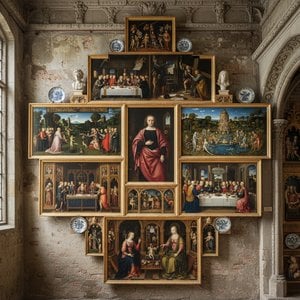
Tijekom svoje plodne karijere, van der Weyden je stvorio brojna djela koja stoje kao svjedočanstva njegove umjetničke vještine. Sveti Luka oslikava Madonu, smještena u Muzeju likovnih umjetnosti u Bostonu, demonstrira njegovu sposobnost uljane tehnike na drvu i pomno opažanje. Lamentacija, koja se nalazi u Muzeju likovnih umjetnosti Tournai, Belgija, možda je njegovo najpoznatije djelo – snažno emotivni prikaz Kristove žalosti, poznat po dramatičnoj upotrebi *chiaroscuroa* i njegovoj sposobnosti da izaziva duboku tugu u gledatelju. Postoje brojne verzije Depozicije, svaka od kojih demonstrira njegovu vještinu prenošenja tuge i drame s prekrasnom osjetljivošću. Najava anđela, remek-djelo izmjerenog stila i pozornosti na detalje, primjeri je njegove sposobnosti da čak i najtradicionalnije subjekte prožme svježim i živahnim osjećajem. I napokon, složena i bogato detaljna Triptih Bladelin predstavlja monumentalno postignuće – kompleksan oltarski prikaz koji pokazuje puni raspon van der Weydenovih umjetničkih sposobnosti. Ta djela, i mnoga druga, nastavljaju fascinirati publiku i danas, učvršćujući njegov položaj kao jednog od najvažnijih slikara 15. stoljeća.



 Pregledaj u stvarnoj veličini
 Naručite ručno oslikano reprodukciju
 Podijeli
 Podijeli
 Detalji
 Vodič
Vodič

 Preuzmi datoteku
 Slični predmeti
 Rentgenska snimka
 Slide show
 Statistika


 Pročitajte više






































 Opcija stakla dostupna je samo za dimenzije manje od 110 cm