BESPLATNE UMJETNIČKE KONSULTACIJE

x
Kupi otisak Kupi otisakNaručite reprodukciju Naručite reprodukciju PošaljiPošalji
DetaljiDetalji Dodaj u omiljene Dodaj u omiljene PreuzmiPreuzmi Slični predmetiSlični predmeti Rentgenska snimkaRentgenska snimka Automatska prezentacijaAutomatska prezentacija

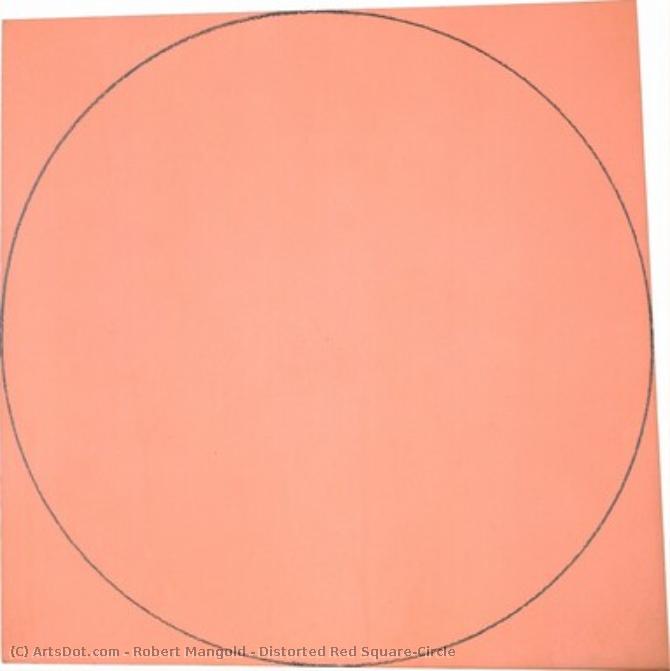
Distorted Red Square-Circle

  • Datum stvaranja1971
  • Dimenzije40.0 x 40.0 cm

Robert Mangold (b. 1937) is a leading American minimalist painter renowned for shaped canvases, geometric abstraction & subtle color fields. Explore his influential work challenging traditional painting boundaries.

Kupite digitalnu sliku visoke rezolucije i poboljšane kvalitete, koja je znatno superiornija od online prikaza.

Svaka datoteka pedantno je pripremljena od strane naših internih stručnjaka koristeći napredne alate i vještinsku ručnu retušu. Osiguravamo da svaka slika ima iznimnu jasnoću, preciznu točnost boja i visoku razinu detalja.

Konačna datoteka dostavlja se putem e-pošte u roku od 72 sata, optimizirana za neposrednu upotrebu u profesionalnim, uredničkim i tiskarskim okruženjima. To je ista kvaliteta kojoj vjeruju vrhunski studiji dizajna, izdavači i galerije.

Digitalna slika

Preuzmite datoteku visoke rezolucije za osobnu izložbu, tisak i kreativne projekte.

Ukupna cijena

$9.99

Uključeno uz svaku narudžbu digitalne slike

Profesionalna digitalna dostava, zajamčena

Odabirom WahooArt.com ne dobivate samo sliku – dobivate profesionalno unapređeno digitalno umjetničko djelo, izrađeno s najvećom preciznošću uz jamstvo zadovoljstva. Evo svega što automatski dolazi uz vašu narudžbu:

shipping_icon
Brza dostava e-poštom

Vaša digitalna slika visoke rezolucije bit će vam poslana e-mailom u roku od 72 sata od narudžbe – spremna za neposrednu upotrebu.

canvas_icon
Digitalna datoteka poboljšana AI-om

Vaše umjetničko djelo profesionalno je optimizirano pomoću naprednih AI alata i ručnog uređivanja, čime se osigurava maksimalna razina detalja, oštrine i točnosti boja.

insurance_icon
Besplatna ponovna dostava doživotno

Slučajno ste obrisali ili izgubili svoju datoteku? Ne brinite – ponovno ćemo vam je poslati u bilo kojem trenutku, potpuno besplatno.

tax_icon
Bez uvoznih carina – ikada

Uživajte u svojim umjetničkim djelima trenutno, bez carina, pristojbi ili troškova dostave – digitalne datoteke uvijek su oslobođene poreza.

color_icon
Jamstvo točnosti boja

Uz pomoć profesionalnih alata i upravljanja bojama, osiguravamo da vaša digitalna slika što vjernije odražava izvorne boje.

return_icon
Jamstvo zadovoljstva u trajanju od 60 dana

Ako niste zadovoljni svojom digitalnom slikom, revidirat ćemo je ili vratiti 100% novca u roku od 60 dana – bez ikakvih pitanja.

guarantee_icon
100% Jamstvo povrata novca

Niste zadovoljni? Osigurajte puni povrat novca u roku od 60 dana od primitka vaše digitalne datoteke – bez suvišnih pitanja.

discount_icon
Popusti na velike narudžbe

Kupite 3 slike, uštedite 10% - Kupite 5 slika, uštedite 15% - Kupite 10+ slika, uštedite 20%. Odlično za kreativne projekte, galerije i agencije.


Biografija umjetnika

A Quiet Revolution in Form: The World of Robert Mangold

Robert Mangold emerged as a pivotal figure in the American art landscape of the 1960s, though his impact wasn’t one of bombast or overt gesture. Instead, it was a quiet revolution—a subtle dismantling of traditional painting conventions that paved the way for new explorations of form, color, and perception. Born in North Tonawanda, New York, in 1937, Mangold's path to becoming a leading minimalist painter wasn’t immediately clear. He initially pursued engineering studies before recognizing the compelling pull of artistic expression, ultimately earning degrees from the University of Buffalo and Yale University School of Art. This early exposure to technical disciplines perhaps informed his later meticulous approach to painting, where precision and conceptual rigor are paramount. Mangold's journey began within the shadow of Abstract Expressionism, but he quickly discerned a desire for something more restrained, more intellectual—a move away from the subjective emotionality toward an objective exploration of the fundamental elements of art.

The Influence of Pioneers and the Birth of a Style

Mangold’s artistic development was profoundly shaped by encounters with the giants of abstraction who preceded him. The austere geometries of Kazimir Malevich, the carefully calibrated compositions of Piet Mondrian, and the expansive color fields of Barnett Newman all resonated deeply, providing a foundation for his own unique vision. He wasn’t simply imitating these masters; rather, he was absorbing their core principles—the reduction to essential forms, the emphasis on flatness, the exploration of spatial relationships—and reinterpreting them through a distinctly contemporary lens. This period marked a deliberate rejection of the gestural intensity that characterized Abstract Expressionism. Mangold sought to eliminate any trace of the artist’s hand, striving for a sense of impersonal objectivity. It was in this pursuit that he began experimenting with shaped canvases – a defining characteristic of his mature style. These weren't arbitrary forms; they were carefully considered interventions, challenging the very notion of what a painting *could* be.

Shaped Canvases and Conceptual Rigor

The introduction of shaped canvases wasn’t merely an aesthetic choice for Mangold; it was a conceptual one. By abandoning the traditional rectangular format, he disrupted the established relationship between image and support, forcing viewers to confront the physicality of the painting as an object in space. His compositions typically feature geometric abstraction—simplified shapes and lines arranged with meticulous precision. These forms aren’t representational; they don't refer to anything outside themselves. Instead, they exist purely as arrangements of color and line, inviting contemplation of their inherent qualities. Mangold’s palette is often muted, favoring subtle pastel tones that create atmospheric effects without overwhelming the viewer. This restraint extends to his technique: surfaces are smooth and even, devoid of brushstrokes or any other evidence of manual manipulation. The result is a sense of serene detachment—a painting that feels both present and remote, inviting prolonged observation. Major series like the Plane/Figure Series, with its explorations of divided canvas compositions, and the Ring Series, featuring circular forms within rectangular fields, demonstrate his consistent engagement with these core principles.

Legacy and Lasting Impact

Robert Mangold’s influence on contemporary art is undeniable. He played a crucial role in shaping the development of minimalist painting, expanding the possibilities of abstract art and challenging conventional notions of representation. Alongside artists like Robert Ryman, he represents the heart of minimalist painting—a commitment to conceptual rigor and formal reduction. His work has been widely exhibited in museums and galleries around the world, finding homes in prominent collections such as The Museum of Modern Art and The Metropolitan Museum of Art in New York, and The Tate Modern in London. Beyond his paintings, Mangold’s explorations extended into wall paintings, large-scale works designed to interact with architectural spaces, and the Column Structure Series, which investigated verticality and spatial relationships. His legacy isn't simply about the specific forms he created; it’s about the questions he raised—questions that continue to resonate with artists today who grapple with the fundamental elements of art and the possibilities of abstraction. He demonstrated that profound artistic expression could emerge not from grand gestures, but from a quiet, persistent exploration of form and color.