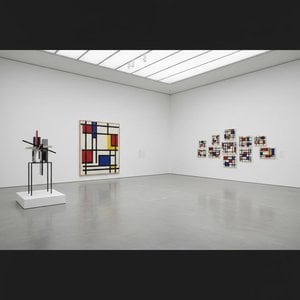
Piet Mondrian: Od Nizozemskih Pejzaža do Apstraktne Harmonije
Pieter Cornelis Mondriaan, kako se rodio 7. ožujka 1872. u mirnom gradiću Amersfoortu, ostavio je neizbrisiv trag na svijet umjetnosti. Njegovo putovanje nije bilo trenutno otkriće, već postepeno sazrijevanje, od tradicionalnih pejzaža do revolucionarnog neoplasticizma – stila koji je zauvijek promijenio naš pogled na apstrakciju. Rano djetinjstvo proživljen u okruženju obitelji koja cijeni umjetnost, s ujakom Fritsom Mondrijanom kao etabliranim slikarom, usmjerilo ga je prema slikanju pejzaža. Ta prva djela, podsjećaju na Hague School i nizozemski impresionizam – poput *Crvenog Mlina* – otkrivaju mladog umjetnika koji marljivo uči od prirode, savladava tehniku, ali istovremeno traži nešto izvan pukog prikazivanja. Čak i tada, osjetila se težnja prema pojednostavljenju, kao da ga potezi kista tiho potiču na prelazak iz kopiranja svijeta prema njegovoj esenciji. Ta rana faza obilježena je eksperimentiranjem s Pointillizmom i Fauvizmom, svaki stil nudeći drugačiju perspektivu boja i oblika, ali nijedan u potpunosti nije zadovoljio njegovu rastuću umjetničku viziju. Bilo je to vrijeme istraživanja, nužna predigra radikalnom odcjepljenju koje će definirati njegovu ostavštinu.
Pariskom Buđenjem i Rođenje Neoplastičnosti
Ključni trenutak nastupio je 1912. kada se Mondrijan preselio u Pariz. Grad je pulsirao avangardnom energijom, a on se našao uronjen u revolucionarni svijet kubizma. Ovaj susret bio je transformativan. Počeo je dekonstruirati oblike, razlagati objekte na njihove geometrijske komponente, odmaknuvši se od prikazivanja *čega* vidi prema istraživanju *kako* to vidi. No, Mondrijan nije samo usvajao novi stil; krenuo je na duhovno putovanje. Duboko pod utjecajem Teozofije – mistične filozofije koja naglašava univerzalna načela – vjerovao je da umjetnost može biti sredstvo za izražavanje tih skrivenih istina. Ta uvjerenja potaknula su njegov neprestani juriš na apstrakciju, gurajući ga da smanji boju i oblik na njihove najfundamentalnije elemente. Oko 1917., ovo putovanje kulminiralo je formulacijom Neoplastičnosti, često nazvanog ‘čista plastična umjetnost’. Bio je to radikalni estetski pristup temeljio na bitnim oblicima – ravnim linijama, pravim kutovima – i ograničenoj paleti: primarnim bojama (crvena, plava, žuta), crnoj, bijeloj i sivoj. Za Mondrijana, ovo smanjenje nije bilo o praznini; radilo se o otkrivanju inherentne harmonije svemira, vizualizaciji duhovnog reda. Suosnovao je pokret *De Stijl* s Theom van Doesburgom kako bi promicao ove ideje, čime je Neoplastičnost učvrstila svoju poziciju kao vodeće sile u modernoj umjetnosti. Remek-djela poput *Kompozicije s crvenim, plavim i žutim* i *Tableau br. 2 Kompozicija br. V* svjedoče o tom razdoblju, ikonični prikaz njegovog neoklijevanog zalaganja za geometrijsku čistoću.
Newyorški Ritam: Razigrana Zrelost
Izbijeganjem Drugog svjetskog rata 1940., Mondrijan je bio prisiljen napustiti Europu, tražeći utočište u živahnoj metropoli New Yorka. Ovaj preseljak se neočekivano pokazao poticajnim. Gradova mrežasta struktura – oštar kontrast prema organskim krajolicima koje je poznavao – rezonirala je s njegovim umjetničkim principima. Njegova kasnija djela, posebno *Broadway Boogie Woogie* (1943.), odražavaju taj utjecaj. Iako zadržava temeljna načela Neoplastičnosti, slika uvodi dinamičnu energiju, živahni ritam inspiriran pulsirajućim životom grada i jazz glazbom. Ravne linije su još uvijek prisutne, ali sada plešu i sijeku se s većom slobodom, stvarajući osjećaj pokreta i radosti. Činilo se kao da je Mondrijan pronašao novi jezik unutar svog uspostavljenog vokabulara, način izražavanja složenosti modernog urbanog postojanja kroz jednostavnost geometrijske apstrakcije. Nastavio je rafinirati svoj stil sve do svoje smrti 1944., ostavljajući iza sebe djelo koje i dalje fascinira i inspirira.
Trajna Ostavština: Mondrijanova Neizbrisiva Utjecaj
Mondrijanov utjecaj na svijet umjetnosti neprocjenjiv je. Nije bio samo umjetnik; bio je vizionar koji je temeljito promijenio naše razumijevanje apstrakcije i njezina potencijala za izražavanje univerzalnih istina. Njegovo djelo duboko je utjecalo na bezbrojne umjetnike, pokrete i discipline. Apstraktni ekspresionizam, minimalizam i Color Field painting svi su dužni zahvalnost njegovom pionirskom duhu. No, njegov utjecaj seže daleko izvan platna. Principi Neoplastičnosti – jednostavnost, jasnoća, geometrijski red – proželi su arhitekturu, dizajn i modu. Od namještaja i tekstila do pročelja zgrada i grafičkih rasporeda, Mondrijanova estetika nastavlja oblikovati naš vizualni svijet. Ostaje ikonična figura u modernoj umjetnosti, simbol neprestane potrage za apstrakcijom i trajne moći umjetničke inovacije. Kao što je povjesničar dizajna Stephen Bayley to dobro primijetio, Mondrijan je postao „totem za sve što je Modernizam želio biti.” Njegova ostavština nije samo estetska ljepota, već i intelektualna strogost, duhovna dubina i neoklijevanjem vjerovanje u transformativni potencijal umjetnosti.
Utjecaji i Ključna Djela
- Rani Utjecaji: Hague School, Nizozemski impresionizam, Pointillizam, Fauvizam pružili su temelj za njegova prva umjetnička istraživanja.
- Transformativni Utjecaj: Kubizam u Parizu bio je ključan za njegovu promjenu prema apstrakciji i geometrijskim oblicima.
- Filozofski Temelj: Teozofija duboko je informirala njegovo uvjerenje da umjetnost može izražavati univerzalna duhovna načela.
- Ključna Djela: *Crveni Mlin* (rano naturalističko razdoblje), *Kompozicija s crvenim, plavim i žutim* (tipičan Neoplastičizam), *Tableau br. 2 Kompozicija br. V* (demonstrira redukciju na esencijalne oblike), *Broadway Boogie Woogie* (kasnija dinamika inspirirana New York Cityjem).
- Trajna Utjecaj: Mondrijanovo djelo nastavlja nadahnjivati umjetnike, arhitekte i dizajnere, oblikujući modernu estetiku diljem različitih disciplina.
Njegovi estetski principi protegnuli su se izvan slikarstva na utjecaj arhitekturu, dizajn i modu. Ostaje ikonična figura u modernoj umjetnosti, predstavljajući potragu za apstrakcijom i univerzalnom harmonijom.



 Pregledaj u stvarnoj veličini
 Naručite ručno oslikano reprodukciju
 Podijeli
 Podijeli
 Detalji
 Vodič
Vodič

 Preuzmi datoteku
 Slični predmeti
 Rentgenska snimka
 Slide show
 Statistika


 Pročitajte više






































 Opcija stakla dostupna je samo za dimenzije manje od 110 cm