Biografija umjetnika
Naslije utkane u kamen: Život i umjetnost Pierre-Jeana Davida d’Angersa
Rođen u francuskom Angersu 1788. godine, Pierre-Jean David započeo je svoj umjetnički put prožet republikanskim žarom koji će obilježiti veći dio njegovog života i stvaralaštva. Počevši kao šegrt lokalnog drvosjekara – svog oca – mladi David brzo je pokazao talenat za kiparstvo koji će ga pogoniti prema višim ambicijama. Pariz je dočekao 1808. godine, grad prepun klasične tradicije i revolucionarnog duha, gdje je tražio podučavanje pod Philippeom-Laurentom Rolandom u École des Beaux-Arts. To je bilo formativno razdoblje koje ga je učvrstilo u neoklasičnim principima, istovremeno ga izlažući rastućem pokretu romantizma. Ključni trenutak dogodio se 1809. godine kada je ušao u studio Jacquesa-Louisa Davida, usvajajući ime „David d’Angers” ne samo kao profesionalnu oznaku, već i kao svjesno isticanje vlastitog porijekla i umjetničke ambicije – kako bi se razlikovao od svog slavnog učitelja. To usvajanje naziva signaliziralo je želju da izgradi vlastiti put uz priznanje dubokog utjecaja vodećeg slikara tog doba. Rani izazovi obilježili su njegove parizske godine, no on je opstao, stekavši priznanje djelima poput „Othryades” 1810. godine i naposljetku osvojivši prestižnu nagradu Prix de Rome 1811. za svoju skulpturu „Epaminondas”.
Od rimskih sanjarenja do neoklasičnog majstorstva
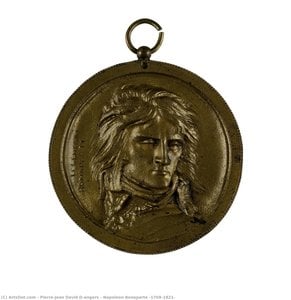
Pet godina koje je David d’Angers proveo u Rimu, od ente 1811. do 1816. godine, pokazalo se transformativnim. Uronjen u svijet klasične antike i pod utjecajem majstora poput Antonia Canove, njegov je umjetnički vid sazrijevao. Upio je ideale grčke skulpture – njezin naglasak na idealiziranom obliku, herojskom narativu i emocionalnoj suzdržanosti – no počeo je te principe prožimati vlastitom, osobnom senzibilnošću. Ovo razdoblje nije bilo samo akademsko proučavanje; bilo je to i vrijeme političkog buđenja. Restauracija Bourbon monarhije u Francuskoj bacila je sjenu na njegov povratak, što je potaknulo kratko boravište u Engleskoj gdje se susreo s divljenjem, ali i s kritičkim pogledima zbog svoje povezanosti s Jacquesom-Louisom Davidom, koji je bio vezan uz revolucionarni režim. Međutim, po povratku u Pariz, njegov talent brzo je pronašao priznanje. Postao je poznat po svojim portretnim medaljonima – nevjerojatno detaljnim i psihološki prodorno prikazima istaknutih osoba – kao i po monumentalnim skulpturama koje su slavile građanske vrline i nacionalne heroje. Njegov rad na Trijumfalnom kapiji i u Louvru pokazao je rano majstorstvo u velikim projektima, utvrđujući ga kao kipara sposobnog za najambicioznije narudžbe.
Kipar heroja i ideala
Umjetnički opus Davida d’Angersa bio je iznimno raznolik, obuhvaćajući statue, reljefe, grobnice i, što je najznačajnije, portretne medaljone. Posjedovao je izvanrednu sposobnost ne samo da uhvati fizičku sličnost, već i unutarnji karakter svojih subjekata. Njegovi portreti nisu bili puko predstavljanje; bili su interpretacije – prožete osjećajem dostojanstva, inteligencije i moralne snacije. Među njegovim najslavnijim djelima nalaze se „Ranjeni Philopoemen”, smješten u Louvre, potresan prikaz tragične sudbine grčkog generala, te „La Douleur”, koja pokazuje njegovo majstorstvo u emocionalnom izražavanju. Ipak, upravo su njegove monumentalne narudžbe utvrdile njegovu reputaciju. Pedimentalna skulptura za Panthéon u Parizu stoji kao možda njegovo najznačajnije postignuće – sveobuhvatni alegorijski prikaz francuskog patriotizma i intelektualnog naslijeđa. Ostala značajna djela uključuju spomenik Gutenbergu u Strasbourgu i konjičku statuu generala Goberta na groblju Père Lachaise, što su oba dokazi njegove vještine u prenošenju snage i dinamike kroz skulpturalni oblik. Također je stvorio bust Lafayettea za Kongres Sjedinjenih Država, simbol francusko-američkog prijateljstva.
Trajni utjecaj: Naslijeđe i povijesna važnost
Pierre-Jean David d’Angers bio je više od običnog kipara; bio je proizvod svog vremena – svjedok revolucije, carstva i restauracije. Njegova umjetnost odražava političke i intelektualne struje koje su oblikovale Francusku 19. stoljeća. Obabrao je republikanske ideale, slaveći likove koji su utjelovljivali hrabrost, integritet i predanost javnoj službi. Iako čvrsto ukorijenjen u neoklasičnoj tradiciji, njegov rad je također nagovijestio pojavu romantizma, s naglaskom na emocionalni intenzitet i dramatični narativ. Njegov utjecaj protezao se izvan domena kiparstva, inspirirajući generacije umjetnika i oblikujući vizualni krajolik Francuske. Danas se njegova djela mogu pronaći u istaknutim muzejima diljem svijeta, uključujući The Walters Art Museum u Baltimoreu i The Metropolitan Museum of Art u New Yorku. Musée David u Angersu služi kao posvećeno čvorište njegove umjetnosti, čuvajući njegovo naslijeđe za buduće generacije. David d’Angers ostaje uvjerljiva figura – kipar koji nije samo uhvatio lica heroja, već je i utjelovio duh jedne ere. Njegova sposobnost spajanja klasičnog oblika s romantičnim izrazom nastavlja odjekivati kod publike i danas, učvršćujući njegovo mjesto kao jednog od najvažnijih i najtrajnijih umjetnika Francuske.



 Prebacite na prodaju printova
 Podijeli
 Podijeli
 Detalji
 Vodič
Vodič

 Preuzmi datoteku
 Slični predmeti
 Slide show
 Statistika


 Pročitajte više






































 Opcija stakla dostupna je samo za dimenzije manje od 110 cm