Biografija umjetnika
Paul Cézanne: Iz Impressionizma u Kubizam – Vizija koja je promijenila svijet
Paul Cézanne, rođen 1839. godine u Aix-en-Provenceu, zauvijek je obilježio povijest umjetnosti kao ključna figura koja je premošćivala krhkost impresionista i fragmentiranost kubizma. Njegovo putovanje nije bilo popločano slavljenjem; naprotiv, bio je to dugotrajan proces istraživanja, ispunjen sumnjama u sebe i kritikama, koji je kulminirao nasljeđem koje je neizbrisivo promijenilo tijek moderne umjetnosti. Rođen u prosperitetnoj obitelji – njegov otac je prvo bio proizvođač šešira, a kasnije bankar – Cézanne je uživao financijske prednosti rijetke za ambiciozne umjetnike, što mu je omogućilo posvetiti se svojoj strasti bez neposrednog pritiska komercijalnog uspjeha. Iako ga je otac prvotno usmjerio prema pravnom obrazovanju, neodoljiva sila umjetničkog izraza bila je jača, te je napustio studij prava kako bi se posvetio slikarstvu, odluka koja će definirati njegov život. U početku su ga obilježili romantični utjecaji iz mladosti i predanost krajoliku škole Barbizon, no susreti s umjetnicima poput Paula Gauguina i Georga Seurata, te njihovi inovativni pristupi boji i obliku, potaknuli su Cézannea da krene vlastitim jedinstvenim putem.
Od tame do strukture: Evolucija stila
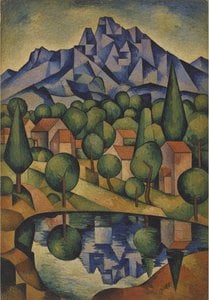
Cézannova rana djela često su odražavala dramatične, emotivne teme karakteristične za romantičko slikarstvo – tamne palete i ekspresivna poteza dominirali su njegovim platnima. Međutim, ta je početna faza bila samo kamenčić na putu prema daleko analitičnijem i revolucionarnijem pristupu. Nezadovoljan sjedinjavanjem prolaznih impresija svjetlosti, kao što su to preferirali impresionisti, Cézanne se uputio u potragu za razumijevanjem i prikazivanjem same strukture objekata. Nije želio samo *vidjeti* ono što je pred njim, već *razumjeti* kako percipira temeljne oblike koji čine stvarnost. To ga je dovelo do razbijanja prirodnih oblika na njihove geometrijske ekvivalente – stožere, valjke, sfere – nadmašujući tako kubističku revoluciju desetljećima prije nego što se ona dogodila. Njegova tehnika postala je obilježena malim, ponovljivim potezima kista, pomno složenima kako bi se izgradili slojeviti polja boja i tekstura, stvarajući osjećaj čvrstine i dubine koji dotada nije bio viđen u slikarstvu. Nije bio zainteresiran za iluzionistički prostor; umjesto toga, često je prezentirao objekte iz više perspektiva istovremeno, izazivajući tradicionalna shvaćanja perspektive i prisiljavajući gledatelja da aktivno sudjeluje u konstruiranoj prirodi njegovih kompozicija. Ta namjerava deformacija nije bila arbitrarna, već pokušaj da se prenese potpunije razumijevanje oblika, predstavljajući ne samo jedan trenutak u vremenu, već sintezu percepcije.
Krajolici, mrtve prirode i ljudska forma: Ključna djela i ponavljajuće motive
Cézannovo stvaralaštvo iznimno je raznoliko, obuhvaća krajolike, mrtve prirode, portrete i prikaze kupača, a sve je ujedinjeno njegovim jedinstvenim pristupom obliku i boji. Pogled na Jas de Bouffan, naslikana 1880., predstavlja njegovu rad s krajolicima, demonstrirajući njegovu sposobnost da uhvati suštinu prirode pažljivim rasporedom oblika i tonova. Portret Émilea Zole, nastao 1866., otkriva njegov razvijajući stil i nudi uvjerljiv uvid u intelektualnu intenzivnost bliskog prijatelja i kolege pisca. Njegove mrtve prirode, kao one s jabukama i drugim voćem, nisu samo reprezentacije objekata već istraživanja volumena, svjetla i prostornih odnosa. Serija Mont Sainte-Victoire postala je opsesijom za Cézannea, ponavljajući se motiv koji mu je omogućio da bez prestanka istražuje oblik i perspektivu tijekom desetljeća. Ta djela nisu samo prikazi planine; to su studije o tome kako percipiramo dubinu, volumen i međudjelovanje svjetla i sjene. Konačno, njegova serija Kupača, koja prikazuje gole figure u idiličnim krajolicima, predstavlja dubinsko istraživanje ljudske forme i njezine povezanosti s prirodom, često ispunjeno osjećajem bezvremenskog mira i tihog promišljanja.
Nasljeđe izgrađeno inovacijom: Cézanneov utjecaj na modernu umjetnost
Utjecaj Paula Cézanea na sljedeće generacije umjetnika je neizmjeran. On se široko smatra "ocem moderne umjetnosti" zbog njegovih revolucionarnih doprinosa slikarskom jeziku, otvarajući put mnogim glavnim umjetničkim pokretima 20. stoljeća. Pablo Picasso i Georges Braque bili su duboko zaduženi za Cézanneov naglasak na geometrijskim oblicima i višestrukim perspektivama, koji su postali središnji elementi kubizma. Njegova hrabra upotreba boje također je inspirirala fauvistički pokret, predvođen umjetnicima poput Henrija Mattisea, koji je prihvatio žive, ne-naturalističke nijanse. Čak i nadrealisti su pronašli odjek u Cézanneovom istraživanju subjektivne percepcije i psihološke dubine. Izvan specifičnih pokreta, Cézaneova insistencija na osobnim vizijama umjetnika i odbacivanje tradicionalnih akademskih ograničenja oslobodila je generacije slikara da istražuju nove oblike izraza. On je izazvao samu definiciju reprezentacije, prebacujući fokus s oponašanja stvarnosti na konstruiranje vizualnog iskustva temeljeno na podlogama strukture i subjektivne percepcije. Njegova smrt 1906. nije označila kraj, već početak – zoru novog doba u povijesti umjetnosti, doba duboko oblikovano njegovom revolucionarnom vizijom.



 Pregledaj u stvarnoj veličini
 Naručite ručno oslikano reprodukciju
 Podijeli
 Podijeli
 Detalji
 Vodič
Vodič

 Preuzmi datoteku
 Slični predmeti
 Rentgenska snimka
 Slide show
 Statistika

 Pročitajte više






































 Opcija stakla dostupna je samo za dimenzije manje od 110 cm