


Giclée tisak muzejske kvalitete ili otisak na platnu uz brzu izradu i raznolike opcije završne obrade. ( Kupi ručno oslikano djelo Prebacite na digitalnu sliku)





























Odaberite jednu od naših unaprijed definiranih veličina koje odgovaraju izvornim proporcijama umjetničkog djela.

Unesite potrebnu širinu i visinu kako bi odgovarali vašem okviru ili zidu. Print se može samo izrezati, nikada ne može biti veći od slike, stoga format s drugačijim omjerom stranica uzrokuje gubitak dijela slike. Prije bilo kakve štampe šaljemo vam digitalni prikaz (mockup) na odobrenje. Slika prikazana na ovoj stranici ne prikazuje stvarni rez — to prikazuje isključivo digitalni prikaz.
Dostava širom svijeta () u roku od 2 tjedna umjesto standardnih 4/5 tjedana. (21 Studeni)
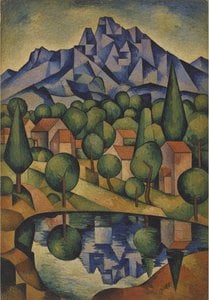
Bathsheba
Veličina reprodukcije
Paul Cézanne's "Bathsheba," painted in 1890, is more than just a portrait; it’s a carefully constructed meditation on intimacy, observation, and the very nature of representation. Emerging from the Post-Impressionist movement—a reaction against the fleeting impressions of its predecessor—Cézanne sought to capture not merely what he *saw*, but how he *felt* about what he saw. This painting, housed in private collections, offers a rare glimpse into his evolving artistic vision and his profound engagement with both classical narrative and modern form.
The scene depicts two women seated together before a tree, bathed in the diffused light of an afternoon. The woman on the left is rendered with a remarkable degree of naturalism, her nudity a deliberate choice that invites contemplation about vulnerability and exposure. In contrast, the woman to her right wears a modest dress, creating a visual dialogue between openness and restraint. They are engaged in what appears to be a quiet conversation or perhaps absorbed in shared observation – the details remain deliberately ambiguous, encouraging the viewer to project their own interpretations onto the scene.
Cézanne’s genius lies not just in his subject matter but in his revolutionary approach to painting itself. He moved decisively away from the Impressionist obsession with capturing momentary light and color, instead prioritizing structure and form. Notice how he employs “constructive strokes”—bold, deliberate lines that build up the image like a sculptor working with clay. These strokes create a sense of solidity and permanence, transforming the figures and the tree into geometric forms—a precursor to Cubism. The background is deliberately simplified, almost abstracted, further emphasizing the foreground subjects and their interaction.
The painting’s historical context is crucial to understanding its significance. Cézanne was deeply influenced by classical mythology, particularly the story of Bathsheba, the biblical queen who famously captivated King David. While the specific narrative isn't overtly depicted, the scene evokes a sense of timelessness and quiet dignity reminiscent of ancient depictions of female figures in repose. The inclusion of the bench and book adds another layer of meaning—suggesting a moment of respite, intellectual engagement, or perhaps simply shared companionship. The two birds perched above the woman on the right are subtle details that contribute to the painting’s serene atmosphere, hinting at freedom and connection with nature.
What truly sets "Bathsheba" apart is Cézanne’s groundbreaking technique – his masterful use of “constructive strokes.” Unlike the Impressionists who sought to capture a fleeting impression of light and color, Cézanne meticulously built up form with deliberate, almost sculptural lines. These weren't delicate brushstrokes; they were bold, assertive marks that created a palpable sense of solidity and permanence within the painting. He layered these strokes upon one another, building depth and volume in a way that was entirely new for his time.
Observe how he renders the tree – not as a hazy outline but as a series of interlocking geometric shapes. This isn’t simply about depicting a tree; it's about understanding its underlying structure, its essence. Similarly, the figures are constructed from these same deliberate strokes, giving them an almost three-dimensional quality that draws you into the scene. This technique was revolutionary, anticipating the formal explorations of Cubism by decades.
Cézanne’s treatment of color and light also represents a significant departure from Impressionist practice. He didn't aim to replicate the vibrant hues of sunlight; instead, he employed what he called “broken color.” This involved applying small, separate brushstrokes of pure pigment – often complementary colors – side by side. The viewer’s eye then blends these colors together optically, creating a richer, more luminous effect than could be achieved through traditional mixing.
This technique is particularly evident in the dappled light filtering through the tree branches and illuminating the women's figures. It creates a sense of atmospheric depth and movement while simultaneously emphasizing the underlying structure of the scene. The colors aren’t blended; they are juxtaposed, creating a dynamic interplay that adds to the painting’s visual complexity.
"Bathsheba" is more than just a formal study; it's imbued with a profound sense of emotional resonance. The scene evokes a feeling of quiet intimacy, contemplation, and perhaps even melancholy. The ambiguous nature of the women’s interaction invites viewers to project their own emotions and interpretations onto the canvas.
The nudity of the woman on the left is not merely decorative; it's a deliberate gesture that speaks to themes of vulnerability, exposure, and the human condition. Combined with the serene setting and Cézanne’s masterful technique, “Bathsheba” remains a powerful and enduring work of art – a testament to the artist’s genius and his ability to capture the essence of human experience.
Preporučuje se ispis djela "Bathsheba" autora Paul Cézanne u veličini Srednja veličina i Kvadratni format orijentaciji.
Paul Cézanne je imao/la 51 godina u trenutku stvaranja djela "Bathsheba" u 1890 godini. Dob je izračunata na temelju godine umjetnikovog rođenja, 1839.
Otisak djela "Bathsheba" autora Paul Cézanne možete naručiti izravno na njegovoj stranici Umjetnička litografija: umjetnički otisak na pamučnom platnu ili arhivskom kanvas papiru.

Rođen 19. siječnja 1839. godine u 28 rue de l'Opéra u Aix-en-Provenceu, Paul Cézanne ušao je u svijet utemeljenog reda i stabilnosti. Njegov otac, Louis-Auguste Cézanne, bio je čovjek od značajnog lokalnog ugleda, budući da je suosnivač bankovnog poduzeća Banque Cézanne et Cabassol. Ta financijska sigurnost pružila je sigurno okruženje obitelji, u koju su spadali Paul i njegove dvije mlađe sestre, Marie i Rose. Tišina i mir provincijskog odgoja stajali su u oštrom kontrastu s nemirnim kreativnim impulsom koji će na kraju definirati njegov život.
Njegovo formalno obrazovanje započelo je u školi Saint Joseph u Aixu s deset godina. Kasnije je pohodio Collège Bourbon, koračajući kroz strukturirane akademske puteve koji su se očekivali od mladića njegovog statusa. Do 1859. godine, težina obiteljskih očekivanja navela ga je da se upiše na pravni fakultet Sveučilišta Aix-en-Provence. Proveo je dvije godine pokušavajući ovladati pravoslovljem, no pravni tekstovi u njemu nisu izazivali nikakav odjek. Godine 1860. donio je odlučujući izbor – napustio je studij prava i potpuno se okrenuo potrazi za slikarstvom.
Put prema vlastitom, prepoznatljivom vizualnom jeziku započeo je u učionicama Aix-en-Provencea. Dok su očevi ambicije težile prema pravu, mladi umjetnik pronašao je svoj put pod vodstvom Josepha Giberta u Slobodnoj gradskoj školi crteža. To je bilo razdoblje discipliniranog promatranja. Do 1859. godine njegova je tehnička vještina postala očita kada je osvojio drugu nagradu na školskom tečaju studija ljudske figure. To temeljno obrazovanje nastavilo je u École de dessin d'Aix-en-Provence, smještenoj unutar Musée Granet, gdje je usavršavao svoju sposobnost prenošenja trodimenzionalnih oblika na ravnu površinu.
Selidba u Pariz 1862. godine označila je razdoblje koje je bilo prožeto i teškim borbama i ključnim iskustvima. Odbijanje na École des Beaux-Arts bilo je povratnička prekretnica, no upravo ga je to odvelo u Académie Suisse, gdje je mogao nastaviti svoj razvoj izvan krutih okvira akademije. Tijekom tih formativnih godina, pronašao je posao kao kopir u Louvru. Taj je položaj omogućio da izravno proučava stare majstore, upijajući težinu i strukturu klasičnih kompozicija koje će kasnije oblikovati njegov vlastiti pristup prirodnom svijetu.
Rane godine njegovog stvaralaštva obilježene su teškim, ekspresivnim potezima kista i preferencijom prema tamnim paletama boja. Tijekom tog razdoblja, njegovo radilo je naginjanje prema dramatičnim osjećajima romantizma i tradiciji pejzažnog slikarstva škole Barbizon. Prolazio je kroz te mračnije, emotivnije faze prije nego što je pronašao discipliniraniji, analitički način gledanja. Težio je otkriti trajnu strukturu skrivenu unutar prirodnog svijeta, gledajući izvan prolaznih efekata svjetlosti kako bi pronašao temeljnu geometriju postojanja. Za njega su planina ili komad voća bili sastavljeni od osnovnih oblika: stožca, sfere i valjka.
Ta potraga za strukturom dovela je do iznimno specifične, konstruktivne metode. Napustio je tradicionalnu upotrebu svjetla i sjene za definiranje volumena, odlučivši se umjesto toga za modulaciju boje. Slojevitim, ponovljivim potezima kista gradio je ravnine boja koje su tvorele složena, taktilna polja. Ta tehnika omogućila mu je da uspostavi osjećaj mase i težine samo pomoću nijanse. Također se udaljio od ograničenja klasične, jednopunktske perspektive. U njegovim kompozicijama, predmeti često zadržavaju neovisnu prisutnost unutar prostora, omogućujući različitim gledištima da koegzistiraju na jednoj ravnini.
Limestone presence Mont Sainte-Victoire postala je konstanta u umjetnikovom životu, ponavljajući se motiv koji je čvrsto usidrio njegovu evoluirajuću viziju. Kroz cijelu je svoju karijeru povratno istraživao ovaj provençalski znamenitost, stvarajući približno osamdeset različitih slika i akvarela te planine. To je bila potraga za strukturom, način na koji je želio prevesti tu kršnu, sivo-bijelu masu u jezik boje i geometrije. On nije samo promatrao vrh; on je nastojao razumjeti njegov unutarnji red.
Njegova je perspektiva kretala se i mijenjala kako je koračao kroz krajolik, koristeći tri primarna gledišta kako bi uhvatio promjenjivi karakter planine. Radili je s visina Bellevuea, iz dubina kamenoloma Bibemus i s brda Les Lauves. Ti su raznoliki položaji omogućili njemu da istražuje kako svjetlost i atmosfera mijenjaju percepciju težine i volumena planine. Kroz te različite kutove gledanja, planina je postala središnje polje njegovih eksperimenata s prostornim odnosima i konstrukcijom forme.
Rane godine njegove umjetničke karijere obilježene su opsesijom dramatičnim, često nasilnim temama. Između 1867. i 1870. godine stvorio je Ubojstvo, djelo koje karakterizira turbulentna površina vode i košmarni ambijent. Ta faza istraživanja emocionalne i fizičke intenzivnosti stoji u oštroj suprotnosti sa strukturnom jasnoćom koja će definirati njegove kasnije godine. Kako se njegov fokus pomicao prema trajnosti forme, njegove su teme postale utemeljjenije u tišini svakodnevice i geometriji prirodnog svijeta.
Do 1890-ih, njegov potez kista postao je sredstvo za izgradnju volumena putem boje. Godine 1893. naslikao je Igrače karata, kompoziciju koja naglašava težinu i prisutnost njenih subjekata. Taj analitički pristup nastavio je i u svojoj posljednjoj fazi početkom 1890-ih s djelom Čovjek koji puši lulu. Tijekom tog razdoblja, okrenuo je pažnju i domaćinstvu, kao što se vidi u Mrtvoj prirodi s jabukama i teglom primula iz oko 1890. godine, gdje je koristio boju za definiranje oblika bez tradicionalnog sjeničarenja. Njegova kasna djela često su težila postizanju osjećaja stabilnosti, kao što je to slučaj u Crnom dvorcu, koji je dovršio u periodu 1903.-1904.
Njegine su posljednje godine donijele kontinuirani napor usklađivanja ljudske figure s krajolikom. Kupači, prvi izloženi 1906. godine, ostaju značajan primjer tog nastojanja. Djelo, na kojem je radio sedam godina, ostalo je nedovršeno u trenutku njegove smrti. Ono odražava promišljeno odstupanje od prolaznih impresija, dajući prednost umjesto toga gustoj, ritmičkoj aranžiranosti oblika.
Društveni pejzaž Cézanneovog mladosti činio je trojica neraskidivih prijatelja: Émile Zola, Louis Marguery i Baptistin Baille. Zajedno su plovili intelektualnim strujama svog vremena, raspravljajući o umjetnosti i književnosti u zajedničkim prostorima svog odrastanja. Iako su njegove rane godine obilježile određena izolacija od glavnog struja, njegov je umjetnički put na kraju przecišao najznačajnije promjene u francuskom slikarstvu. U impresionistima, kao što je Camille Pissarro, pronašao je vitalnog mentora čiji je utjecaj pomogao u vođenju njegove tranzicije iz tamnih, teških paleta mladosti prema strukturiranijem istraživanju svjetla i boje.
Njegov odnos s širim umjetničkim svijetom često je bio spora i teška proces priznanja. Mnoge godine radio je u relativnoj zaboravi, u razdoblju u kojem se kretao uz suvremenike kao što su Paul Gauguin i Vincent van Gogh. Tek 1895. godine, trgovački predstavnik umjetnina Ambroise Vollard organizirao je njegovu prvu samostalnu izložbu u Parizu, što je bio trenutak koji je njegov rigorozan, analitički pristup napokon iznio široj publici. To priznanje došlo je kasno u životu koji je obilježila tvrdoglavo, samoobrano predana istraživanju temeljne geometrije prirodnog svijeta.
Preokret koji je Paul Cézanne pokrenuo udaljio je umjetnost od puke imitacije stvarnosti prema konstrukciji vizualnog iskustva utemeljena na percepciji i strukturi. Naglašavajući geometrijski oblik, on je postavio neophodnu podlogu za kubistički pokret. Njegov analitički pristup prirodi omogućio je kasnijim umjetnicima da dekonstruiraju tradicionalni subjekt. Pablo Picasso i Georges Braque uveličano su crpili iz ove metode, pronalazivši u njegovom radu način za organizaciju prostora putem volumena, a ne samo putem svjetlosti.
Njegov utjecaj protezao se i u domenu boje. Korištenje odvažnih, nenaturalističkih tonova ostavilo je dubok trag na fauviste, uključujući Henri Matisse. I Picasso i Matisse prepoznali su težinu njegovog doprinosa, pri čemu je prvi, u poznatoj izjavi, nazvao njega "ocem svih nas". On nije samo slikao svijet; on ga je rekonstruirao kroz rigoroznu, strukturnu leću koja je izmijenila način na koji su izdanja umjetnika doživljavala odnos između objekta i prostora.
Fizička prisutnost njegove vizije i dalje je raspršena kroz nekoliko vodećih svjetskih institucija, omogućujući promatraču da prati njegov evolucijski put – od tamnih, ekspresivnih poteza kista u mladosti do strukturirane jasnoće njegovih kasnijih godina. U New Yorku, Metropolitan Museum of Art čuva značajnu kolekciju od 21 djela, pružajući dubok uvid u njegov razvoj. U blizini se nalazi Museum of Modern Art u New Yorku koji posjeduje 6 radova, uključujući njeglo djelo iz 1904. godine, Chateau Noir. Ove kolekcije nude priliku da se promatrame kako se udaljavao od prolazne svjetlosti svojih suvremenika prema trajnom, geometrijskom razumijevanju prirodnog svijeta.
U Europi, pariški Musée d'Orsay čuva 19 njegovih slika, nudeći snažnu poveznicu s francuskom tradicijom koju je istovremeno prihvaćao i transformirao. Londonska Courtauld Gallery posjeduje 9 radova, dok National Gallery of Art u Washingtonu ima 11. Ove institucije čuvaju različite faze njegove karijere, od ranih studija svjetla i sjene do njegovih posljednjih, intenzivnih istraživanja forme. Vidjeti njegove radove u ovim okruženjima znači svjedočiti promišljenom, ritmičnom slojevitosti boje koja je definirala njegov pristup pejzažu i mrtvoj prirodi.

1839 - 1906 , Francuska

Embark on a visual journey through Paul Cézanne’s 25 most iconic Post-Impressionist masterpieces. Uncover the stories, textures, and revolutionary techniques that shaped modern art. Find museum-quality reproductions for inspired decor at WahooArt.com. Discover all masterpieces on WahooArt.com.

Explore the profound transition from Cézanne’s structural Post-Impressionism to the revolutionary fractured forms of Cubism. A sophisticated journey through the evolution of modern art for the discerning collector and connoisseur of fine art history.
Explore the profound legacy of Paul Cézanne. Discover how his mastery of geometric forms and vibrant color bridged Impressionism and Cubism, offering timeless inspiration for fine art collectors and enthusiasts seeking to understand the foundations of modern art.
 Pregledaj u realnoj veličini
 Pošalji
 Podijeli
 Detalji o umjetničkom djelu
 Vodič
Vodič

 Preuzmi umjetničko djelo
 Slični predmeti
 Rentgenska snimka
 Slide show
 Pitanja i odgovori
 Statistika

 Prikaži više









 Opcija stakla dostupna je samo za dimenzije manje od 110 cm


