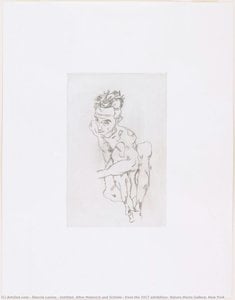
EtchingWallArtPost-Impressionism
 20.0 x 19.0 cm
 Hammer Museum
Ručno oslikano uljanim bojama na platnu u dimenzijama i okviru po vašem izboru, izrađeno po narudžbi od strane naših umjetnika. ( Kupi print Kupi digitalnu sliku)





























Odaberite jednu od naših unaprijed definiranih veličina koje odgovaraju izvornim proporcijama umjetničkog djela.

Možete unijeti vlastite dimenzije kako bi odgovarale određenom okviru ili prostoru. Ako odabrana veličina ne odgovara proporcijama izvorne slike, izrezat ćemo umjetničko djelo ili proširiti sliku dodatnim ručno oslikanim elementima. Digitalni nacrt bit će vam poslan na odobrenje prije početka proizvodnje.
Imajte na umu da pregled na ekranu ne prikazuje stvarno izrezivanje ili proširivanje. Samo će nacrt točno prikazati konačni sastav.
Iako su dostupne prilagođene veličine, preporučujemo odabir dimenzije s preddefiniranog popisa kako bismo očuvali izvorne proporcije.
Isporuka širom svijeta () u roku od 3-4 tjedna umjesto standardnih 5 tjedana. (6 Rujan). Bez kompromisa u kvaliteti.


The Mirror
Veličina reprodukcije
Paul César Helleu's "The Mirror," created around 1895, is more than just a portrait; it’s a meticulously crafted window into the social and psychological landscape of late 19th-century France. This drypoint etching, housed within the Hammer Museum at UCLA, captures a moment of quiet contemplation – two women observing each other through a shimmering mirror, their gazes holding a complex blend of curiosity, judgment, and perhaps even a touch of melancholy. Helleu, a master of his craft, expertly utilizes the limitations of printmaking to create an image brimming with subtle detail and emotional resonance.
Helleu’s genius lies in his command of drypoint etching – a technique he embraced after encountering the work of James Jacques Tissot. Unlike traditional engraving, drypoint involves scratching directly into a metal plate with a needle, creating a delicate, velvety texture known as “burr.” This burr then picks up ink, resulting in rich tonal variations and an immediate sense of depth. In "The Mirror," this technique is brilliantly employed to render the women’s clothing, the intricate folds of their garments, and the reflective surface itself with astonishing realism. The varying line weights – from delicate hairlines to bold, decisive strokes – create a dynamic interplay of light and shadow, drawing the viewer's eye into the scene and imbuing it with a palpable sense of atmosphere.
“The Mirror” is firmly rooted in the Belle Époque – an era defined by opulent luxury, rapid industrialization, and a burgeoning fascination with modernity. Helleu’s portraits of this period are renowned for their ability to capture not just physical likeness but also the social standing and inner lives of his subjects. The women depicted here belong to the fashionable elite, their attire reflecting the latest trends – elaborate gowns, delicate jewelry, and carefully coiffed hairstyles. The setting, though somewhat ambiguous, suggests a refined interior space—likely a salon or drawing room—a typical environment for socializing and observing others. Helleu’s skill lies in his ability to convey this sense of social context through subtle details: the arrangement of furniture, the positioning of the mirror, and the women's own postures and expressions.
The central image—the mirror itself—is far more than a simple reflective surface. It functions as a potent symbol, inviting multiple interpretations. Mirrors have long been associated with introspection, self-perception, and the duality of identity. In this context, it suggests that each woman is not only observing the other but also contemplating her own reflection – her appearance, her social position, and perhaps even her inner thoughts. The act of looking into a mirror can be both revealing and deceptive, highlighting the complexities of human relationships and the often-contradictory nature of self-awareness. The composition subtly reinforces this idea; the mirroring effect creates a sense of circularity, suggesting an endless cycle of observation and judgment.
Paul César Helleu's “The Mirror” stands as a testament to his exceptional talent and his deep understanding of the Belle Époque aesthetic. His meticulous attention to detail, combined with his masterful command of drypoint etching, results in an image that is both visually stunning and emotionally resonant. Reproductions of this captivating artwork offer a unique opportunity to bring a touch of Parisian elegance into any space – a reminder of a bygone era and the enduring power of visual storytelling. Consider commissioning a high-quality print from WahooArt.com to experience the full beauty and nuance of Helleu’s masterpiece.

Paul César Helleu rođen je 1859. godine u gradu Vannes, u Bretanji, u Francuskoj. Njegov otac, carinski inspektor, preminuo je dok je Helleu još bio tinejdžer. Unatoč prvotnim rezervama njegove majke, mladi je umjetnik odlučio preseliti u Pariz kako bi proganjao svoje ambicije. Nakon studija na Lycée Chaptal, već sa nevjerojatnih šesnaest godina, uspio je upisati prestižnu École des Beaux-Arts, gdje je pod vodstvom Jean-Lèona Gérômea dobio temeljno umjetničko obrazovanje.
Ključni trenutak u njegovom ranom razvoju dogodio se tijekom Druge impresionističke izložbe 1876. godine, koja mu je otvorila vrata novim svjetovima. Duboko je ostao pod utjecajem umjetnika poput Johna Singer Sargenta, Jamesa McNeilla Whistlera i Claudea Moneta, očaran njihovim inovativnim tehnikama i fokusom na prizore na otvorenom, što je predstavljalo snažan kontrast tadašnjim tradicionalnim studijskim praksama.
Kako bi se samovredno uzdržavao u ranim godinama karijere, Helleu je radio u keramičkoj radionici Théodorea Decka, ručno oslikavajući dekorativne tanjure. To iskustvo iznimno je izbruusilo njegove tehničke vještine. Preokret u njegovom životu došlo je susretom i mentorstvom pod Giovanni Baldinijem, portretistom poznatim po svom energičnom i virtuoznom stilu. Baldinijev utjecaj značajno je oblikovao Helleuov umjetnički smjer.
Između Helleua i Johna Singer Sargenta razvilo se blisko prijateljstvo koje je trajalo cijeli njihov život, a Sargentova potpora bila je presudna za Helleuovu rani uspjeh. Posebno je značajna bila njegova majstorstvo u tehnici suhe igle. Uveden u tu tehniku od strane Jamesa Jacquesa Tissota, Helleu je brzo postao virtuoz, koristeći je s istim dinamizmom i profinjenošću kao i svoje pastelne crteže.
Helleu je najpoznatiji po svojim portretima elegantnih žena iz pariskog društva tijekom ere Belle Époque. Njegovi modeli uključivali su plemićke i društvene ikone poput Vojvojkinje od Marlborough, Marchese Casati, Belle da Costa Greene, Louise Chéruit i Helene Rubenstein. Njegova sposobnost da njihovu ljepotu i gracioznost prikaže s vrhunskom elegancijom donijela mu je široku svjetsku slavu.
Rad Paula Césara Helleua utjelovljuje duh Belle Époque — razdoblje obilježeno optimizmom, elegancijom i umjetničkim inovacijama. Njegovi portreti nude dragocjen uvid u živote i modu pariskog visokog društva tog vremena.
Helleeova djela zastupaju se u vodećim svjetskim muzejima, uključujući Musée d'Orsay i Louvre u Parizu, kao i Tate u Londonu i Metropolitan Museum of Art u New Yorku.

1859 - 1927 , Francuska

Embark on a sophisticated journey through art history's most captivating masterpieces of reflection. Explore how legendary artists used mirrors to explore identity, surrealism, and the soul through expert art historical analysis.
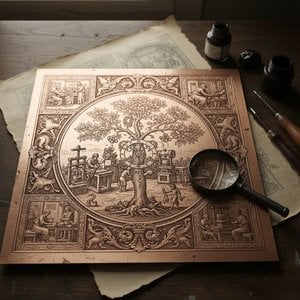
Explore the intricate world of etching and intaglio printmaking. Discover how masters use acid and metal to create profound textures and lines, from Romanticism to modern era, through an expert lens of art history and technical mastery.

Explore the profound symbolism of mirrors in fine art history. From Surrealist distortions to Vanitas themes, discover how masters use reflections to capture reality and the metaphysical soul.
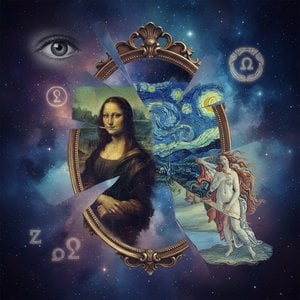
Explore the profound symbolism of mirror images in fine art. From Surrealist distortions to classical self-portraits, discover how masters use reflections to explore reality, identity, and the infinite through a sophisticated art-historical lens.
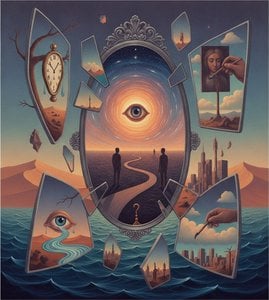
Explore the profound symbolism of mirror art through a journey of Surrealist mastery. From Dalí's fractured realities to technical brilliance, discover how reflections redefine art history and inspire sophisticated modern collections.

 Pregledaj u stvarnoj veličini
 Pošalji
 Podijeli
 Detalji o umjetničkom djelu

 Preuzmi
 Slični predmeti
 Rentgenska snimka
 Automatska prezentacija
 Prikaži više







 Opcija stakla dostupna je samo za dimenzije manje od 110 cm