


 Oil On CanvasWallArtBaroque
 1580Early Modern
 287.0 x 447.0 cm
 Gallerie dell'Accademia
Giclée tisak muzejske kvalitete ili otisak na platnu uz brzu proizvodnju i fleksibilne opcije završne obrade. ( Kupi ručno naslikanu sliku Kupi digitalnu sliku)





























Odaberite jednu od naših unaprijed definiranih veličina koje odgovaraju izvornim proporcijama umjetničkog djela.

Možete unijeti vlastite dimenzije kako biste umjetničko djelo prilagodili specifičnom okviru ili prostoru. Ako odabrana veličina ne odgovara proporcijama izvornog rada, izrezat ćemo dio slike ili je proširiti pomoću ogledalnog efekta ili jednobojne rubne površine. Digitalni prikaz (mockup) bit će vam poslan na odobrenje prije početka proizvodnje.
Imajte na umu da pregled na zaslonu ne odražava stvarno izrezivanje ili proširivanje. Samo će mockup točno prikazati konačnu kompoziciju.
Iako su dostupne prilagođene veličine, preporučujemo odabir dimenzije iz unaprijed definirane liste kako biste očuvali izvorne proporcije.
Dostava širom svijeta () u roku od 2 tjedna umjesto standardnih 4/5 tjedana. (6 Rujan)


Crucifixion
Veličina reprodukcije
To stand before Paolo Veronese’s Crucifixion is to be enveloped by a wave of dramatic, almost overwhelming emotion. This monumental oil painting from 1580 does not merely depict an event; it immerses the viewer within its very heart—a crucible of human suffering, divine sacrifice, and profound historical weight. The sheer scale of the work, measuring 287 x 447 cm, commands attention, forcing one to confront the drama unfolding against a tumultuous, brooding sky. Veronese masterfully orchestrates a scene teeming with life, yet every figure seems caught in a moment suspended between agony and eternal contemplation.
The style is undeniably Baroque, characterized by its theatricality and intense emotional pitch. While Veronese is often celebrated for the vibrant colorism associated with Venice, here he employs that mastery to heighten pathos. The composition is a breathtaking study in dynamic movement; sweeping brushstrokes lend texture to the voluminous drapery of the mourners and the agitated crowd below. Although the perspective possesses a certain flattened immediacy—a hallmark that lends it an almost overwhelming sense of presence—the depth is achieved through meticulous layering of figures and architectural suggestion. It feels both vast, encompassing the distant city walls symbolizing Roman authority, and intensely intimate, focusing on the suffering Christ at the center.
Technically, the painting showcases Veronese’s command over oil paint on canvas. The use of chiaroscuro, that dramatic interplay between brilliant light and deep shadow, is pivotal to the work's emotional resonance. Patches of ethereal light catch the pale skin of the figures and highlight key gestures, drawing the eye inexorably toward the central narrative. This contrast builds an atmosphere thick with tension and pathos. The color palette itself—dominated by somber reds, deep blues, and earthy browns, punctuated by creamy whites in the garments—creates a profoundly melancholic yet awe-inspiring mood.
Every element within this canvas pulses with symbolic meaning. The cross stands as the ultimate emblem of Christian martyrdom, while the surrounding populace represents humanity grappling with judgment and grief. From the anguished expressions on the faces to the rigid geometry of the crosses against the organic flow of the bodies, Veronese crafts a visual sermon. It is a complex tapestry where sacrifice meets civic power, inviting deep contemplation from anyone who gazes upon its rich narrative detail.
For those seeking to capture this monumental energy within their own space, acquiring a high-quality reproduction of this work allows one to integrate the drama and artistry of 16th-century Venetian genius into modern décor. The visible brushwork and rich tonal depth inherent in these reproductions ensure that the emotional charge—the sense of awe and contemplation—remains palpable, transforming any room into a gallery echoing with historical grandeur.


1528 - 1588
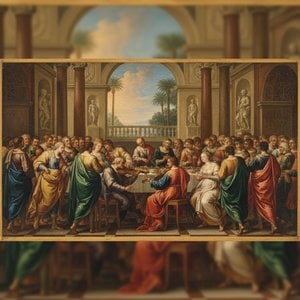
Explore the vibrant world of Paolo Veronese, a Renaissance master renowned for his opulent compositions, masterful use of color, and dramatic Venetian scenes. Discover key artworks & legacy.

Explore the dramatic world of Baroque art! Discover iconic artists like Caravaggio & Rubens, defining techniques, and its lasting impact on art history. Expert insights for collectors & enthusiasts at WahooArt.
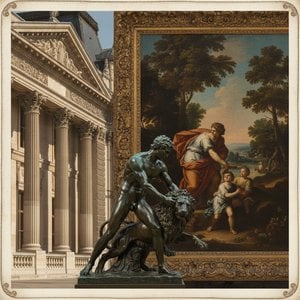
Explore the profound elegance of Baroque Classicism. Discover how 17th-century masters synthesized dramatic emotion with classical order through the lens of the Counter-Reformation and the works of legends like Carlo Maratta and Andrea Sacchi.

Explore the dramatic world of Baroque art! Discover iconic masters like Caravaggio & Rembrandt, their techniques, and the movement's lasting impact. Expert insights for collectors & enthusiasts at WahooArt.

Explore the dramatic world of Baroque art! Discover its history, defining characteristics, & lasting influence on painting & sculpture. Expert insights into Caravaggio, Zurbarán, and Bernini – plus high-quality reproductions at WahooArt.

 Pregledaj u stvarnoj veličini
 Pošalji
 Podijeli
 Detalji o umjetničkom djelu

 Preuzmi
 Slični predmeti
 Rentgenska snimka
 Automatska prezentacija
 Prikaži više







 Opcija stakla dostupna je samo za dimenzije manje od 110 cm


