


 Acrylic On CanvasWallArtBaroque Splendor
 1558
1558 340.0 x 455.0 cm
 Bazilika svetih Ivana i Pavla
Giclée tisak muzejske kvalitete ili otisak na platnu uz brzu proizvodnju i fleksibilne opcije završne obrade. ( Kupi ručno naslikanu sliku Kupi digitalnu sliku)





























Odaberite jednu od naših unaprijed definiranih veličina koje odgovaraju izvornim proporcijama umjetničkog djela.

Možete unijeti vlastite dimenzije kako biste umjetničko djelo prilagodili specifičnom okviru ili prostoru. Ako odabrana veličina ne odgovara proporcijama izvornog rada, izrezat ćemo dio slike ili je proširiti pomoću ogledalnog efekta ili jednobojne rubne površine. Digitalni prikaz (mockup) bit će vam poslan na odobrenje prije početka proizvodnje.
Imajte na umu da pregled na zaslonu ne odražava stvarno izrezivanje ili proširivanje. Samo će mockup točno prikazati konačnu kompoziciju.
Iako su dostupne prilagođene veličine, preporučujemo odabir dimenzije iz unaprijed definirane liste kako biste očuvali izvorne proporcije.
Dostava širom svijeta () u roku od 2 tjedna umjesto standardnih 4/5 tjedana. (6 Rujan)


Annunciation
Veličina reprodukcije
The year is 1558. Venice, at its zenith of artistic and cultural influence, pulsates with creativity—a city where patronage fueled innovation and ambition reigned supreme. Amidst this opulent panorama emerges Paolo Veronese, a painter whose canvases transcend mere representation; they embody the spirit of an era and invite contemplation on themes of faith, grandeur, and divine grace. This essay delves into the intricacies of his masterpiece, “Annunciation,” exploring its stylistic brilliance, technical prowess, and enduring emotional resonance.
Veronese’s “Annunciation” is a monumental oil painting on canvas measuring 340 x 455 cm—a testament to Venetian ambition and artistic skill. Unlike the muted palettes favored by many of his contemporaries, Veronese employs a riotous symphony of color, meticulously layering hues to achieve unparalleled luminosity and depth. His masterful use of glazing techniques—applying thin translucent layers of paint over previous coats—creates an ethereal atmosphere that captures the sacred moment depicted with breathtaking accuracy. The canvas itself is treated with meticulous detail, reflecting the Venetian obsession for surface perfection.
Stylistically, “Annunciation” firmly establishes Veronese as a pioneer of Mannerism, a movement characterized by elongated figures, stylized poses, and an emphasis on decorative ornamentation. Departing from the idealized proportions of Renaissance art, Veronese presents Mary and Gabriel in postures that convey both solemn dignity and subtle dynamism—a deliberate rejection of classical harmony.
The painting’s historical context is inextricably linked to the Counter-Reformation, a period marked by papal efforts to reaffirm Catholic dogma following the Protestant Reformation. The depiction of the Virgin Mary receiving the angelic messenger serves as a powerful visual affirmation of Christian faith and divine providence—a deliberate message intended for viewers within the Venetian ecclesiastical hierarchy.
Symbolism permeates every aspect of “Annunciation.” The architectural setting—a building adorned with columns reminiscent of Roman temples—represents stability and authority, mirroring the Church’s role as protector of Christendom. The vibrant colors—particularly the golden hues—symbolize divine illumination and holiness, elevating the scene to a realm beyond earthly concerns. Even the positioning of the figures contributes to the narrative's symbolic significance; Mary is depicted in an upright posture, signifying humility and piety, while Gabriel leans forward with reverence.
More than just a beautiful image, “Annunciation” evokes profound emotional responses—a sense of awe, wonder, and spiritual contemplation. Veronese’s ability to convey complex theological ideas through visual artistry underscores the enduring power of art to inspire faith and illuminate the human condition. Its grandeur continues to captivate audiences today, reminding us of Venice's legacy as a beacon of artistic excellence.
The painting’s impact extends beyond its immediate religious significance; it established Veronese as one of the foremost painters of his time and influenced generations of artists who followed. Reproductions of “Annunciation” adorn homes and galleries worldwide, ensuring that Veronese's vision—a celebration of color, form, and faith—remains accessible to admirers across cultures.


1528 - 1588
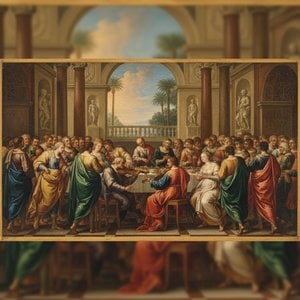
Explore the vibrant world of Paolo Veronese, a Renaissance master renowned for his opulent compositions, masterful use of color, and dramatic Venetian scenes. Discover key artworks & legacy.

Uronite u svijet Jacopa Tintoreta! Otkrijte 25 remek-djela venecijanskog renesansnog majstora. Povijest umjetnosti, dramatične scene i prekrasne reprodukcije slika za vaš dom. Ekskluzivna kolekcija na WahooArt.com

Explore the dramatic world of Baroque art! Discover iconic artists like Caravaggio & Rubens, defining techniques, and its lasting impact on art history. Expert insights for collectors & enthusiasts at WahooArt.
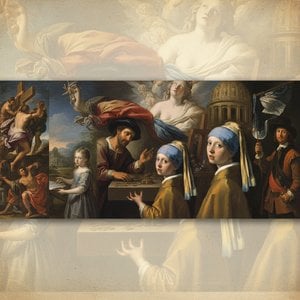
Otkrijte 10 remekdjela barokne umjetnosti koja su obilježila epohu! Karavaggio, Bernini, Rubens i drugi majstori. Istražite priče iza slika, tehnike i vječne ljepote. Inspirirajte se za svoj interijer s WahooArt.com - vrhunskim reprodukcijama i kuriranim idejama za dekoraciju doma.

Otkrijte dramatičnost i raskoš barokne umjetnosti! WahooArt nudi vrhunske reprodukcije, personalizirane portrete i stručne savjete za integraciju ovog veličanstvenog stila u vaš dom. Kvaliteta zajamčena!

 Pregledaj u stvarnoj veličini
 Pošalji
 Podijeli
 Detalji o umjetničkom djelu

 Preuzmi
 Slični predmeti
 Rentgenska snimka
 Automatska prezentacija
 Prikaži više







 Opcija stakla dostupna je samo za dimenzije manje od 110 cm


