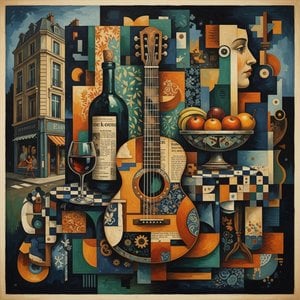
Trajna ostava Pabla Picassa
Pablo Ruiz y Picasso, ime koje je postalo sinonim za umjetničku revoluciju, rođen je u Malagi, u Španjolskoj, 25. listopada 1881. Njegovo je samo postojanje činilo se predodređenim za kreativni izraz; legenda kaže da su njegove prve izgovorene riječi bile “piz, piz”, pokušaj da izgovori ‘olovku’. Tu ranu sklonost njegov je otac, José Ruiz y Blasco, slikar i profesor umjetnosti, njegovio pružajući mladom Pablu temeljnu obuku. Međutim, učenik je brzo nadmašio učitelja, pokazujući nevjerojatnu sposobnost naturalističkog prikazivanja koja je nagovještavala skriveni, iznimni talent. Kasniji obiteljski selidbe – prvo u A Coruñu, a zatim u Barcelonu – obilježene su osobnim tragedijama, posebno gubitkom Picassine sestre, iskustvima koja će suptilno prožeti njegov kasniji rad temama melanholije i smrtnosti. Čak i tijekom formalnih studija u Školi likovnih umjetnosti u Barceloni i kratkog boravka na Kraljevskoj akademiji San Fernando u Madridu, Picasso se borio protiv krutih akademskih ograničenja, radije se prepustio uranjanju u djela majstora poput Velázqueza i Goye, stvarajući vlastiti put prema umjetničkoj inovaciji.
Od melanholičnih plavih tonova do ružičastih nijansi
Rana početka 20. stoljeća svjedočila su pojavljivanju dva zasebna razdoblja u Picassoovom opus: Plave periode (otprilike 1901. – 1904.) i Ružičaste periode (1904. – 1906.). Plava perioda, proizašla iz osobnih nedaća i oštrog osjećaja za društvenu patnju, karakterizirana je slikama prožetim sumornim nijansama plave i plavo-zelene boje. Ova djela naseljavaju marginalizirani likovi – prosaci, slijepe osobe, prostitutke – prikazani s jezivom empatijom koja odjekuje temama izolacije i očaja. La Vie (1903.) i The Old Guitarist (1903. – 1904.) stoje kao dirljivi primjeri te emocionalno nabijene faze. Promjena u Picassoovom osobnom životu, uz selidbu u Pariz, najavila je dolazak Ružičaste periode. Paleta se znatno zagrijala, prihvaćajući ružičaste, narančaste i crvene tonove, što je odražavalo optimističniji pogled na svijet. Ovo razdoblje donijelo je fascinaciju cirkusanim umjetnicima – arlekinima, akrobatima i obiteljskim trupama – likovima koji su ujedno utjeljenovali i krhkost i otpornost. Family of Saltimbanques (1ms05.) predivno sažima tu tranziciju, nagovještavajući stilska istraživanja koja su ga čekala.
Razbijanje perspektive: Kubizam i šire
Godina 1907. označila je prekretnicu u povijesti umjetnosti stvaranjem djela Les Demoiselles d'Avignon. Pod utjecajem ibrijske skulpture i afričkih maski, ova je revolucionarna slika razbila tradicionalne pojmove perspektive i reprezentacije. Bio je to radikalan odlazak, namjerno odbacivanje stoljetnih konvencija koje su utırlale put kubizmu. Radeći u bliskoj suradnji s Georgesom Braqueom, Picasso je suosnivao ovaj revolucionarni pokret, temeljito promijenivši način na koji umjetnici doživljavaju i prikazuju stvarnost. Analitički kubizam (1909. – 1912.) uključivao je fragmentaciju predmeta u geometrijske oblike, prikazane prigušenim bojama, kao da se raščlanjuje sam oblik. To je evoluiralo u sintetički kubizam (1912. – 1919.), koji je uključivao elemente kolaža – isječke iz novina, komadiće tkanine – dodajući teksturu i nove slojeći vizualne složenosti. Picasso nije bio zadovoljan pukim prikazivanjem svijeta; tražio je način da ga dekonstruira i ponovno sastavi po vlastitim pravilima.
Nemirni istraživač: Neoklasicizam, nadrealizam i rat
Dvadesete su godine donijele kratko istraživanje neoklasičnih stilova, stvarajući monumentalne figure koje su odjekivale klasičnim oblicima, dok su zadržavale izrazito modernu senzibilitetnost. Istovremeno, susreo se s usincujućim nadrealističkim pokretom, iako se nikada nije u potpunosti uskladio s njegovim načelima. Njegov rad tijekom ovog razdoblja miješao je ranije stilske utjecaje sa nadrealnim slikama i izobličenim perspektivama, pokazujući njegovo neumorno eksperimentiranje. Horori španjolskog građanskog rata duboko su utjecali na Picassa, što je kulminiralo stvaranjem djela Guernica (1937.), visceralnim i emocionalno razarajućim odgovorom na bombardiranje Guernice. Ovo monumentalno djelo postalo je trajni simbol ratnih zločina, učvršćujući Picassoovu ulogu ne samo kao umjetnika, već i moćnog glasa za mir i socijalnu pravdu. Tijekom 1950-ih i 60-ih nastavio je probijati granice, istražujući keramiku, skulpturu i grafiku s nepokolebljivom znatiželjom i vještinom. Njegova brak s Jacqueline Roque 1961. godine donio je novu dimenziju njegovom osobnom životu i umjetničkom izražavanju.
Neprovredna utjecaj
Pablo Picasso umro je 8. travnja 1973. u Mouginsu, u Francuskoj, ostavivši za sobom nevjerojatan korpus djela – procijenjen na preko 50.000 komada – koji nastavlja očaravati i inspirirati. Njegov je umjetnički razvoj oblikovao širok raspon utjecaja, od španjolskih majstora poput Velázqueza i Goye do ibrijske skulpture, afričke umjetnosti i živopisnih paleta boja Henrija Matissea. Njegov utjecaj na umjetnost 20. stoljeća neprocjenjiv je. Suosnovao je kubizam, bio pionir kolaža i konstruirane skulpture te je dosljedno izazivao umjetničke konvencije. Picassoovo neumorno eksperimentiranje redefiniralo je modernu umjetnost, ostavljajući neizbrisiv trag generacijama umjetnika i učvrstivši njegovo mjesto jedne od najvažnijih i najutjecajnijih figura u povijesti. Njegova ostava proteže se izvan platna, odjekujući u bezbroj aspektima suvremene kulture i podsjećajući nas na transformativnu moć umjetničke vizije.



 Pregledaj u stvarnoj veličini
 Prebacite na prodaju printova
 Podijeli
 Podijeli
 Detalji
 Vodič
Vodič

 Preuzmi datoteku
 Slični predmeti
 Rentgenska snimka
 Slide show
 Statistika


 Pročitajte više






































 Opcija stakla dostupna je samo za dimenzije manje od 110 cm