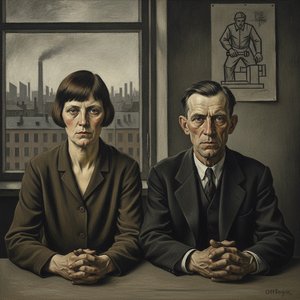
Rani život i sjenke rata
Wilhelm Heinrich Otto Dix, rođen 1891. godine u Untermhausu, Njemačka, iznikao je iz svijeta prožetog industrijskim radom i tihim umjetničkim čežnjama. Njegov otac radio je kao radnik u željezari, dok je majka njegovala poetski duh, stvarajući kućnu atmosferu koja je suptilno poticala mlade Ottove kreativne sklonosti. Ključno je bilo utjecaj njegovog rođaka, slikara Fritza Amanna, koji je istinski rasplamsao ambiciju Dixa. Sati provedeni u Amanovoj radionici nisu bili samo lekcije tehnike; to je bio uron u svijet gdje je umjetnički izraz imao opipljivu moć. Izloženost ga je dovela do naukovanja kod Carla Senffa i naknadnih studija na Kunstgewerbeschule u Dresdenu, iako su se ispočetka usredotočili na primijenjene umjetnosti, a ne na fino slikarstvo. Međutim, kataklizma Prvog svjetskog rata nepovratno je oblikovala Dixovu umjetničku putanju. Dobrovoljno se prijavio za službu i doživio brutalne stvarnosti rovovskog ratovanja iz prve ruke – traumu koja će ga proganjati desetljećima. Užasi svjedočeni u bitkama poput Somme i Flandrije ostavili su neizbrisiv trag, pretvorivši ga iz obećavajućeg pejzažnog slikara u kroničara ljudske patnje i društvenog propadanja.
Weimarska Republika i Nova Objektivnost
Vrativši se s rata duboko promijenjen, Dix je svoje iskustvo kanalizirao u nemilosrdne prikaze njegovih posljedica. Njegov rani poslijeratni rad odražavao je ekspresionističke tendencije, ali se ubrzo okrenuo novoj estetici – *Neue Sachlichkeit*, ili Novoj Objektivnosti. Ovaj pokret je odbacio emocionalnu apstrakciju u korist oštrog realizma i kritičkog društvenog komentara. Dix je postao jedan od vodećih predstavnika uz Georgea Grosza i Maxa Beckmanna. Slike poput
Ropa (1923.) izazvale su javni gnjev svojim grafičkim prikazom rascijepljenih tijela, prisiljavajući muzeje da sakriju rad od pogleda javnosti. To nije bila samo želja za šokiranjem; to je bio namjeran pokušaj suočavanja gledatelja s brutalnom istinom rata, uklanjajući svaku romantiziranu ideju o heroizmu ili slavi. Nije se sklanjao od prikazivanja fizičkih i psiholoških rana nanesenih vojnicima, niti je ignorirao društvenu ravnodušnost prema njihovoj sudbini. Njegova serija slika
Ratni invalidi dodatno je naglasila ovu temu, portretirajući veterane marginalizirane i zaboravljene od strane društva željnog nastaviti dalje. Izvan rata, Dix je usmjerio svoj pogled na pretjerivanja i moralnu bankrot Weimar Njemačke.
Metropola (1928.) je oštra optužnica urbanog života, ispunjena scenama razvrata, prostitucije i društvene izolacije. Njegovi portreti iz tog razdoblja su jednako nemilosrdni, hvatajući cinizam i dekadenciju elite te ere.
Politički nemiri i kasnija godina
Kako je Njemačka ulazila u političke nemire 1930-ih, Dix se sve više našao na meti nacističkog režima. Njegova umjetnost je proglašena "izrođenom", a otpušten je s pozicije profesora na Akademiji likovnih umjetnosti u Dresdenu 1933. Suočavajući se s progonom i cenzurom, Dix se postupno udaljio od otvoreno političkih tema, okrećući se umjesto toga krajolicima i religijskim motivima – strateški potez za samooprezerviranje. Međutim, čak i ti kasniji radovi zadržali su osjećaj temeljne napetosti i nelagode. Tijekom Drugog svjetskog rata ponovno je regrutiran u njemačku vojsku, što je dodatno učvrstilo njegov antiratni stav. Nakon rata Dix je pronašao obnovljeno priznanje i pohvalu, iako ga trauma oba sukoba nastavlja pratiti u umjetnosti. Postao je poštovana figura u poslijeratnoj Njemačkoj, ali nikada nije potpuno pobjegao iz sjene svojih ratnih iskustava.
Nasljeđe i umjetnički utjecaj
Umjetničko nasljeđe Otta Dixa višestruko je i trajno. Ostaje jedan od najvažnijih njemačkih slikara 20. stoljeća, poznat po svom beskompromisnom realizmu, oštrom društvenom kritičaru i nemilosrdnom prikazivanju ljudske patnje. Njegov utjecaj se može vidjeti u radu kasnijih generacija umjetnika koji su nastojali suočiti se s teškim istinama i izazvati društvene norme.
Dixova sposobnost spajanja tehničke vještine s emocionalnom snagom izdvaja ga; on nije samo dokumentirao stvarnost, već je tumačio kroz leću dubokog suosjećanja i moralnog gnjeva. Njegovo istraživanje tema poput rata, traume, socijalne nepravde i ljudskog stanja nastavlja odjekivati u publici danas. Pokazao je da umjetnost može biti istovremeno estetski moćna i politički angažirana, služeći kao snažna sila za društvenu promjenu.
- Dixovi radovi se nalaze u velikim muzejima diljem svijeta, uključujući Muzej moderne umjetnosti u New Yorku i Suermondt-Ludwig-Museum u Njemačkoj.
- Njegove gravure, posebno *Rat*, smatraju se remek-djelima grafičke umjetnosti.
- Ostaje ključna figura za razumijevanje umjetničkog i društvenog krajolika Weimar Njemačke.
Dixova umjetnost služi kao oštar podsjetnik na užase rata i krhkost ljudskog postojanja – svjedočanstvo njegove hrabrosti, vizije i trajne predanosti istini.
Njegov opus je poziv na razmišljanje, izazovajući nas da se suočimo s najmračnijim stranama ljudske prirode i težimo za boljim svijetom.



 Pregledaj u stvarnoj veličini
 Naručite ručno oslikano reprodukciju
 Podijeli
 Podijeli
 Detalji
 Vodič
Vodič

 Preuzmi datoteku
 Slični predmeti
 Rentgenska snimka
 Slide show
 Statistika


 Pročitajte više






































 Opcija stakla dostupna je samo za dimenzije manje od 110 cm