Preuzmite datoteku spremnu za tisak koja kvalitom daleko nadilazi web prikaz. Svaka digitalna slika koju prodajemo prosljeđuje se iz visokorezolucijske master datoteke iz naše baze — obično širine od 5.000 do 15.000 piksela — što vam omogućuje tisak velikih dimenzija, precizno izrezivanje ili sigurnu reprodukciju najfinijih detalja.
Nijedna datoteka ne napušta naš studio netaknuta. Digitalni stručnjak uspoređuje boje s izvornim slikama i po potrebi ih ispravlja, a zatim poboljšava jasnoću i detalje pomoću profesionalnih alata za retuširanje — uvijek ostajući vjerni umjetnikovim potezima četkice i stilu. Rezultat je prikaz koji izgleda kao prava slika, a ne kao sken s filtrima.
Odobravanje prije završetka: naš stručnjak šalje sliku e-poštom u roku od 72 sata na vaš pregled. Niste zadovoljni? Zatražite poboljšanja ili ispravke, ili tražite povrat novca ako kvaliteta ne ispunjava vaša očekivanja.
To je kvaliteta na koju se oslanjaju izdavači, dizajn studiji, galerije i tiskare.
Preuzmite datoteku visoke rezolucije za osobnu izložbu, tisak i kreativne projekte. ( Prebacite na printove Kupi ručno oslikano djelo)
Odabirom WahooArt.com ne dobivate samo sliku – dobivate profesionalno unapređeno digitalno umjetničko djelo, izrađeno s najvećom preciznošću uz jamstvo zadovoljstva. Evo svega što automatski dolazi uz vašu narudžbu:
Vaša digitalna slika visoke rezolucije bit će vam poslana e-mailom u roku od 72 sata od trenutka narudžbe – spremna za neposrednu upotrebu.
Vaše umjetničko djelo profesionalno je optimizirano pomoću naprednih AI alata i ručnog uređivanja, čime se osigurava maksimalna razina detalja, oštrine i točnosti boja.
Slučajno ste obrisali ili izgubili svoju datoteku? Ne brinite – ponovno ćemo vam je poslati u bilo kojem trenutku, potpuno besplatno.
Uživajte u svojim umjetničkim djelima trenutno, bez carina, pristojbi ili troškova dostave – digitalni downloadi uvijek su oslobođeni poreza.
Uz pomoć profesionalnih alata i upravljanja bojama, osiguravamo da vaša digitalna slika što vjernije odražava izvorne boje.
Ako niste zadovoljni svojom digitalnom slikom, revidirat ćemo je ili vratiti 100% iznosa u roku od 100 dana – bez suvišnih pitanja.
Niste zadovoljni? Osigurajte puni povrat novca u roku od 100 dana od primitka digitalne datoteke – bez suvišnih pitanja.
Kupite 3 slike, uštedite 10% - Kupite 5 slika, uštedite 15% - Kupite 10+ slika, uštedite 20%. Odlično za kreativne projekte, galerije i agencije.
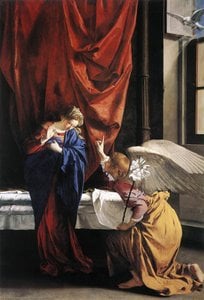
Orazio Gentileschi’s 1623 painting, *Danaë*, is more than just a depiction of a classical myth; it's a profound meditation on fate, beauty, and the transformative power of divine grace. Housed within the J. Paul Getty Museum in Los Angeles, this oil-on-canvas masterpiece stands as a testament to Gentileschi’s mastery of Baroque technique and his ability to infuse historical narrative with deeply felt emotion. The painting immediately captivates with its dramatic lighting – a hallmark of Caravaggio's influence – which sculpts the figures and creates an atmosphere of both vulnerability and opulent splendor.
At the heart of the composition lies Danaë, a young woman lying on her bed, draped in a sheer veil that hints at both modesty and impending revelation. Her arms are outstretched, a gesture simultaneously of surrender and anticipation. Above her, a cascade of golden coins – representing Zeus’s divine intervention – rains down upon the mattress, transforming the scene into a shimmering tableau of mythic birth. The artist skillfully renders the texture of the fabric, the weight of the gold, and the delicate curve of Danaë's body, demonstrating an exceptional command of form and detail. Notice how Gentileschi avoids idealization; Danaë is not a goddess but a mortal woman caught in the throes of a miraculous event.
The narrative depicted is rooted in Greek mythology, recounting the story of Danaë, daughter of King Aegyptus and the sea nymph Calliope. Faced with unwanted suitors, Aegyptus sought to protect his daughter by imprisoning her in a tower. Zeus, disguised as a shower of golden rain, descended into the tower and impregnated Danaë, resulting in the birth of Perseus, the legendary hero. The painting captures this pivotal moment – not the act of conception itself, but its immediate aftermath: the arrival of divine grace and the promise of a new life.
The symbolism is layered and rich. The golden rain isn’t merely a visual spectacle; it represents Zeus's power and his ability to transcend mortal boundaries. Danaë’s pose – vulnerable yet receptive – speaks to her acceptance of this extraordinary destiny. The presence of Eros, the god of love, pulling aside the curtain symbolizes the initiating force behind the divine intervention, highlighting the role of desire and fate in shaping human experience.
Gentileschi’s technical skill is evident throughout *Danaë*. He masterfully employs chiaroscuro – the dramatic contrast between light and shadow – to create a sense of depth and movement. The golden light emanating from the coins illuminates Danaë's face and body, while the surrounding areas remain shrouded in darkness, intensifying the drama of the scene. The artist’s brushwork is loose and expressive, conveying a feeling of immediacy and dynamism. Observe how he captures the swirling motion of the falling gold, creating an almost palpable sense of energy.
Furthermore, Gentileschi's use of color is particularly noteworthy. The rich hues of red, gold, and blue create a vibrant and luxurious atmosphere, reflecting the opulence associated with the gods. The subtle variations in tone contribute to the painting’s overall visual harmony, drawing the viewer’s eye through the composition.
Interestingly, *Danaë* is believed to be a reworking of an earlier painting by Gentileschi’s daughter, Artemisia Gentileschi, who also depicted the same subject. This suggests a close artistic relationship and a shared interest in exploring themes of female agency and divine intervention within a mythological context. Artemisia's own work often featured strong, independent women confronting adversity with courage and resilience – qualities that resonate powerfully in *Danaë*. Studying both paintings offers valuable insights into the evolving artistic sensibilities of the Gentileschi family and their contribution to the Baroque movement.
Today, *Danaë* remains a captivating masterpiece, inviting viewers to contemplate the complexities of myth, beauty, and the enduring power of divine grace. It’s a painting that speaks not only to the grandeur of ancient Greece but also to the timeless human experience of desire, fate, and transformation.
Zabilježena razina popularnosti za "Danae" autora Orazio Gentileschi iznosi Iconic.
"Danae" je djelo koje je stvorio/la Orazio Gentileschi. Informacije na ovoj stranici opisuju izvorni rad umjetnika Orazio Gentileschi.
Analiza boja djela "Danae" autora Orazio Gentileschi bilježi Statement kontrast i Softly Mixed Palette harmoniju.


1563 - 1639 , Italija
 Pregledaj u realnoj veličini
 Pošalji
 Podijeli
 Detalji o umjetničkom djelu
 Vodič
Vodič

 Preuzmi umjetničko djelo
 Slični predmeti
 Rentgenska snimka
 Slide show
 Pitanja i odgovori
 Statistika


 Prikaži više