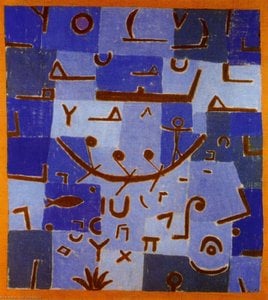
Akril na platnuZidna umjetnostBrazilian Modernism
 1926
1926 199.0 x 68.0 cm
 Chamber of Deputies
Kupite digitalnu sliku visoke rezolucije i poboljšane kvalitete, koja je znatno superiornija od online prikaza.
Svaka datoteka pedantno je pripremljena od strane naših internih stručnjaka koristeći napredne alate i vještinsku ručnu retušu. Osiguravamo da svaka slika ima iznimnu jasnoću, preciznu točnost boja i visoku razinu detalja.
Konačna datoteka dostavlja se putem e-pošte u roku od 72 sata, optimizirana za neposrednu upotrebu u profesionalnim, uredničkim i tiskarskim okruženjima. To je ista kvaliteta kojoj vjeruju vrhunski studiji dizajna, izdavači i galerije.
Preuzmite datoteku visoke rezolucije za osobnu izložbu, tisak i kreativne projekte. ( Kupi print Kupi ručno naslikanu sliku)
Odabirom WahooArt.com ne dobivate samo sliku – dobivate profesionalno unapređeno digitalno umjetničko djelo, izrađeno s najvećom preciznošću uz jamstvo zadovoljstva. Evo svega što automatski dolazi uz vašu narudžbu:

Vaša digitalna slika visoke rezolucije bit će vam poslana e-mailom u roku od 72 sata od narudžbe – spremna za neposrednu upotrebu.

Vaše umjetničko djelo profesionalno je optimizirano pomoću naprednih AI alata i ručnog uređivanja, čime se osigurava maksimalna razina detalja, oštrine i točnosti boja.

Slučajno ste obrisali ili izgubili svoju datoteku? Ne brinite – ponovno ćemo vam je poslati u bilo kojem trenutku, potpuno besplatno.

Uživajte u svojim umjetničkim djelima trenutno, bez carina, pristojbi ili troškova dostave – digitalne datoteke uvijek su oslobođene poreza.

Uz pomoć profesionalnih alata i upravljanja bojama, osiguravamo da vaša digitalna slika što vjernije odražava izvorne boje.

Ako niste zadovoljni svojom digitalnom slikom, revidirat ćemo je ili vratiti 100% novca u roku od 100 dana – bez ikakvih pitanja.

Niste zadovoljni? Osigurajte puni povrat novca u roku od 100 dana od primitka vaše digitalne datoteke – bez suvišnih pitanja.

Kupite 3 slike, uštedite 10% - Kupite 5 slika, uštedite 15% - Kupite 10+ slika, uštedite 20%. Odlično za kreativne projekte, galerije i agencije.
Nilo Procópio Peçanha stands as an extraordinary testament to Brazilian intellectual and artistic heritage, a figure whose legacy transcends the confines of political leadership. Born in Campos dos Goytacazes in 1867, he navigated the turbulent currents of early 20th-century Brazil with unwavering conviction – simultaneously shaping its governance and dedicating himself passionately to the pursuit of beauty through sculpture.
His artistic endeavors weren’t merely hobbies; they were expressions of a profound engagement with Afro-Brazilian culture and history. Peçanha's sculptures, particularly his portrait of Rui Barbosa—a towering figure in Brazilian legal reform and national identity—offer invaluable insight into the aesthetic sensibilities of his time and reflect a deep appreciation for humanist ideals.
Technique: Crafted from Carrara marble—a material synonymous with prestige and artistic excellence—the sculpture exemplifies masterful craftsmanship. Peçanha employed techniques honed over decades of experience, meticulously sculpting the stone to capture Rui Barbosa’s likeness with remarkable accuracy and conveying a palpable sense of solemn grandeur.
Historical Context: Created in 1926, ‘Rui Barbosa’ emerged during a period marked by fervent debates concerning Brazil's national identity. Peçanha sought to honor Barbosa not merely as a legal reformer but as an embodiment of Brazilian moral character—a deliberate gesture aimed at bolstering the nation’s spirit amidst challenges posed by colonialism and social inequality.
Symbolism: The statue’s pyramidal base symbolizes stability and permanence, mirroring Rui Barbosa's unwavering commitment to upholding constitutional principles. Furthermore, the sculptor’s careful positioning of Barbosa’s hands—one resting on his chest, symbolizing piety and moral integrity—reinforces the artwork’s overarching message of ethical leadership.
Emotional Impact: Viewing ‘Rui Barbosa’ evokes a feeling of reverence for Brazilian history and artistic achievement. The sculpture's serene countenance invites contemplation on themes of justice, dignity, and national pride – qualities that continue to resonate powerfully with audiences today. It serves as a poignant reminder of Peçanha’s dedication to capturing the essence of human character through stone.

Nilo Procópio Peçanha (October 2, 1867 – March 31, 1924), also known as niló peçanha, nilo pecanha, or nilo procopio pecanha, was a remarkable figure in Brazilian history, uniquely recognized for his dual roles as a prominent politician and an accomplished artist. Born in Campos dos Goytacazes, Brazil, Peçanha’s life unfolded against the backdrop of significant political and social change in early 20th-century Brazil. While primarily remembered as the seventh president of Brazil (1909–1910) and a key figure in Rio de Janeiro's governance (1903–1906), his artistic contributions, particularly his portraiture, offer a fascinating glimpse into his personal passions and the era’s aesthetic sensibilities.
Peçanha’s political career was marked by rapid ascent. He served as governor of Rio de Janeiro before being elected fifth vice president of Brazil in 1906. Following the death of President Afonso Pena in 1909, he assumed the presidency, a period characterized by navigating complex national and international affairs. His presidency, though relatively brief (1909-1910), was significant for its role during a turbulent time in Brazilian politics. He is frequently considered Brazil's first Afro-Brazilian president, although discussions surrounding his racial identity remain a subject of historical debate. This recognition underscores the evolving understanding of race and representation within Brazilian society.
Beyond his political achievements, Peçanha possessed a keen artistic talent, primarily expressed through portrait painting. While not extensively documented compared to his political career, surviving examples of his work reveal a skilled hand capable of capturing likeness and character. His most notable artwork is arguably the portrait of Rui Barbosa, a renowned Brazilian jurist, writer, and politician. This piece exemplifies Peçanha’s artistic style – characterized by realistic representation and attention to detail. The portraits offer valuable insights into the personalities and social standing of prominent figures within Brazil's elite circles during that period.
Information regarding specific artistic influences on Peçanha is limited, but it’s reasonable to assume he was influenced by prevailing European portraiture traditions popular in Brazil at the time. The realism evident in his work suggests an appreciation for academic painting styles prevalent during the late 19th and early 20th centuries. His artistic development likely occurred through self-study and observation, reflecting a personal passion pursued alongside his demanding political career. It is believed that he received some formal training but primarily honed his skills through practice.
Nilo Procópio Peçanha’s legacy rests on the unique intersection of his political leadership and artistic talent. He represents a rare instance of a head of state actively engaged in creating visual art, providing a personal perspective on the era's social and political landscape. While his artistic output may not be as extensive as dedicated professional artists, it serves as an intriguing testament to his multifaceted personality and offers a valuable window into Brazilian history through both political action and artistic expression. His work continues to spark interest and discussion regarding Brazil’s complex racial dynamics and the contributions of Afro-Brazilians to its cultural heritage.

1867 - 1924 , Brazil

 Pregledaj u stvarnoj veličini
 Pošalji
 Podijeli
 Detalji o umjetničkom djelu

 Preuzmi
 Slični predmeti
 Rentgenska snimka
 Automatska prezentacija
 Prikaži više