Pregledaj u realnoj veličini Pregled u AR-u Kupi ručno oslikano djelo Prebacite na digitalnu sliku Pošalji
Detalji o umjetničkom djelu Vodič Dodaj u omiljene Preuzmi umjetničko djelo Slični predmeti Rentgenska snimka Slide show Q&A Statistika

Gethsemane

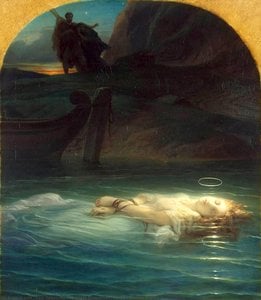
A somber and dramatic biblical scene from 1926 by Norwegian neo-romantic master Nikolai Astrup captures a visionary moment of faith that you can bring into your home through a beautiful hand-painted reproduction.

Otkrijte Nikolai Astrupa, norveškog slikara poznatog po živopisnim pejzažima i tradicionalnom životu u Vestlandenu. Istražite njegov neo-romantični stil i kultna djela.

Giclée / Umjetnički otisak

Giclée tisak muzejske kvalitete ili otisak na platnu uz brzu izradu i raznolike opcije završne obrade. ( Kupi ručno oslikano djelo Prebacite na digitalnu sliku)

Corner sample of the P118B picture frame: oblikovani polistiren, 5 cm wide and 3 cm thick
P118B €10
Corner sample of the P118H picture frame: oblikovani polistiren, 5 cm wide and 3 cm thick
P118H €10
Corner sample of the P118W picture frame: oblikovani polistiren, 5 cm wide and 3 cm thick
P118W €10
Corner sample of the P438Z picture frame: oblikovani polistiren, 5.5 cm wide and 3.5 cm thick
P438Z €10
Corner sample of the P508JH picture frame: oblikovani polistiren, 7 cm wide and 3.5 cm thick
P508JH €12
Corner sample of the P508YH picture frame: oblikovani polistiren, 7 cm wide and 3.5 cm thick
P508YH €12
Corner sample of the P805H picture frame: oblikovani polistiren, 5 cm wide and 3.5 cm thick
P805H €10
Corner sample of the P805Z picture frame: oblikovani polistiren, 5 cm wide and 3.5 cm thick
P805Z €10
Corner sample of the P919BZ picture frame: oblikovani polistiren, 7 cm wide and 3.5 cm thick
P919BZ €10
Corner sample of the P919G picture frame: oblikovani polistiren, 7 cm wide and 3.5 cm thick
P919G €10
Corner sample of the P919XJ picture frame: oblikovani polistiren, 7 cm wide and 3.5 cm thick
P919XJ €10
Corner sample of the P959ZH picture frame: oblikovani polistiren, 5 cm wide and 3 cm thick
P959ZH €10
Corner sample of the P968JZ picture frame: oblikovani polistiren, 6 cm wide and 4 cm thick
P968JZ €12
Corner sample of the W106C picture frame: masivno drvo, 5 cm wide and 3 cm thick
W106C €8
Corner sample of the W218G picture frame: masivno drvo, 5 cm wide and 3 cm thick
W218G €10
Corner sample of the W218JH picture frame: masivno drvo, 5 cm wide and 3 cm thick
W218JH €8
Corner sample of the W218Y picture frame: masivno drvo, 5 cm wide and 3 cm thick
W218Y €10
Corner sample of the W307PJ picture frame: masivno drvo, 6 cm wide and 3 cm thick
W307PJ €10
Corner sample of the W316G picture frame: masivno drvo, 6 cm wide and 3 cm thick
W316G €10
Corner sample of the W316PJ picture frame: masivno drvo, 6 cm wide and 3 cm thick
W316PJ €8
Corner sample of the W316Y picture frame: masivno drvo, 6 cm wide and 3 cm thick
W316Y €10
Corner sample of the W398PJ picture frame: masivno drvo, 5 cm wide and 3 cm thick
W398PJ €8
Corner sample of the W4111J picture frame: masivno drvo, 6.5 cm wide and 3.5 cm thick
W4111J €10
Corner sample of the W500HY picture frame: masivno drvo, 7 cm wide and 5 cm thick
W500HY €15
Corner sample of the W500JH picture frame: masivno drvo, 7 cm wide and 5 cm thick
W500JH €15
Corner sample of the W692G picture frame: masivno drvo, 8 cm wide and 4 cm thick
W692G €12
Corner sample of the W849H picture frame: masivno drvo, 5 cm wide and 3 cm thick
W849H €8
Corner sample of the W940BG picture frame: masivno drvo, 7.5 cm wide and 4.5 cm thick
W940BG €15
Corner sample of the W953PJ picture frame: masivno drvo, 6 cm wide and 3.5 cm thick
W953PJ €8

Standardne dimenzije
po mjeri
CM
INCH

Odaberite jednu od naših unaprijed definiranih veličina koje odgovaraju izvornim proporcijama umjetničkog djela.

širina
visina

Unesite potrebnu širinu i visinu kako bi odgovarali vašem okviru ili zidu. Print se može samo izrezati, nikada ne može biti veći od slike, stoga format s drugačijim omjerom stranica uzrokuje gubitak dijela slike. Prije bilo kakve štampe šaljemo vam digitalni prikaz (mockup) na odobrenje. Slika prikazana na ovoj stranici ne prikazuje stvarni rez — to prikazuje isključivo digitalni prikaz.

Dostava širom svijeta () u roku od 2 tjedna umjesto standardnih 4/5 tjedana. (30 Listopad)

Besplatna ekspresna dostava širom svijeta
Visokokvalitetno laneno platno
Potpuno osiguranje dostave
Jamstvo povrata carine i uvoznih poreza
Jamstvo vjernosti boja
Politika povrata u roku od 100 dana (samo u slučaju nedostataka)
Jamstvo povrata 100% novca
Popust na više proizvoda

Ukupna cijena

€ 60

Gethsemane

Giclée / Umjetnički otisak

Veličina reprodukcije

-

Ukupna cijena

€ 60

Osnovne informacije

  • Dimensions: 42 x 32 cm
  • Location: Bergen Art Museum
  • Artist: Nikolai Astrup
  • Medium: Oil on cardboard
  • Subject or theme: Biblical narrative of Christ's arrest

A Visionary Encounter in the Norwegian Garden

In the quiet, evocative depths of Nikolai Astrup’s 1926 masterpiece, Gethsemane, the boundaries between biblical history and the intimate landscapes of Norway begin to dissolve. While the title refers to the sacred garden in Jerusalem where Christ faced his darkest hour, Astrup performs a profound act of artistic localization. He transports this monumental moment of spiritual agony into the familiar, lush surroundings of the parsonage garden in Ålhus. This is not merely a religious illustration; it is a dreamlike fusion of the divine and the terrestrial. The viewer is invited into a space where the heavy atmosphere of the crucifixion narrative meets the verdant, mystical textures of the West Norwegian landscape, creating a scene that feels both ancient and deeply personal.

The composition breathes with a sense of quiet drama, capturing a moment of profound transition. As the eye wanders through the painting, one encounters a scene that oscillates between a somber historical event and a visionary hallucination. The presence of figures—some appearing caught in the weight of the narrative, others seemingly lost in a trance-like state—suggests a world where the veil between reality and the supernatural is perilously thin. This sense of mystery is heightened by the scattered birds that drift through the sky and perch upon the landscape, acting as silent witnesses to the unfolding drama. For the collector or designer, this piece offers more than just a subject; it offers an atmosphere of contemplative depth that can anchor a room with its soulful, introspective energy.

Technique and the Language of Light

Astrup’s technical mastery is evident in his use of oil on cardboard, a medium that allows for a rich, concentrated application of pigment. His style, rooted in Neo-Romanticism, eschews clinical realism in favor of an intense, emotive color palette. The textures are tactile and layered, reflecting the artist's lifelong obsession with the "visual language" of his homeland. He employs light not just to illuminate form, but to evoke mood; the shadows are deep and heavy, yet they are pierced by a spectral luminosity that suggests the presence of a divine vision. This interplay of light and shadow creates a rhythmic movement across the canvas, guiding the viewer through the dense foliage and toward the heart of the spiritual struggle.

The brushwork possesses a certain raw, organic vitality that mirrors the ruggedness of the Norwegian fjords. There is no sterile perfection here; instead, there is a deliberate, expressive quality that celebrates the natural world's untamed spirit. For those seeking to incorporate fine art into a sophisticated interior, a high-quality reproduction of Gethsemane provides a centerpiece of immense character. The painting’s ability to command attention through its complex textures and brooding tones makes it an ideal choice for spaces designed for reflection, such as libraries, study alcoves, or quiet sitting rooms where the interplay of history and nature can be fully appreciated.

A Legacy of Spiritual and National Identity

To understand Gethsemane is to understand Nikolai Astrup’s broader mission: to capture the very soul of Norway. By situating a universal Christian narrative within his own local topography, he elevates the Norwegian landscape to a stage for the eternal. This technique of "sacralizing" the everyday—turning a simple garden patch into a site of cosmic significance—is what makes his work so enduringly powerful. The painting serves as a bridge between the theological and the topographical, making the profound accessible through the familiar.

For the discerning art lover, owning a reproduction of this work is an opportunity to possess a fragment of this visionary legacy. It is a piece that invites continuous re-examination, revealing new layers of symbolism and emotion with every viewing. Whether one is drawn to its historical weight, its masterful use of color, or its ability to evoke the misty, magical atmosphere of a Norwegian night, Gethsemane remains a breathtaking testament to the power of art to transform the world we see into a world we feel.

Pitanja i odgovori

Kakvu atmosferu odiše "Gethsemane"?

"Gethsemane" odiše Dramatic atmosferom.

Koje motive i atmosferu spaja "Gethsemane" autora Nikolai Astrup?

"Gethsemane" autora Nikolai Astrup prikazuje biblical scene, religious, jesus christ, gethsemane, norway landscape, night scene, visionary u Dramatic raspoloženju. Motiv i atmosfera zajedno dočaravaju ovo djelo.

Koja boja dominira u kompoziciji djela "Gethsemane" autora Nikolai Astrup?

Boja koja najviše dolazi do izražaja u djelu "Gethsemane" je Sea Green (#336c5a). Dominantna boja korisna je pri uklapanju umjetničkog djela u interijer.


Biografija umjetnika

Nikolai Astrup: Vizionar Vestlandena

Nikolai Astrup (1880. – 1928.) predstavlja jedinstvenu figuru u povijesti norveške umjetnosti – slikar čija je duboka povezanost s krajolima i tradicijama Vestlandena utvrdila njegovo mjesto među najprepoznatljivijim neoromantičnim umjetnicima svog vremena. Rođen u Bremangeru, u regiji Sogn og Fjordane, Astrupovo odrastanje usred krševih fjorda i mirnih dolina profoundly oblikovalo je njegov umjetnički senzibilitet, usmjeravajući ga prema stilu koji karakteriziraju intenzivne palete boja i nepokolebljiva posvećenost prikazivanju svakodnevnog života ruralne Norveške. Njegovo naslijeđe ne leži samo u estetski ugodnim platnima, već i u njegovom pionirskom naporu da uhvati „nacionalni vizualni jezik“ koji je prizivao tradiciju i folklor njegove domovine.
  • Rano djetinjstvo i obrazovanje: Astrupove formativne godine obilježene su obiteljskom pobožnošću koju mu je usadio otac, Christian Astrup, župnik koji ga je poticao na teološka istraživanja. Unatoč prvotnim sklonostima prema ministrantskom pozivu, Astrupova strast prema crtanju i slikanju na kraju ga je navela da napusti katedralnu školu u Trondheimu kako bi se posvetio umjetničkim težnjama u Kristianii (Oslo), gdje je usavršavao svoje vještine pod mentorstvom Harriet Backer.
  • Pariski utjecaji: Kratki boravak u Parizu izložio je Astrupa rastućem avantgardnom pokretu, poticaoći povezivanje s umjetnicima poput Christiana Krohga i obogaćujući njegovo razumijevanje impresionističkih tehnika. Ovo razdoblje učvrstilo je njegovu posvećenost eksperimentiranju i proširilo njegove umjetničke horizonte.
  • Povratak u Jølster i umjetnički razvoj: Vraćajući se u svoju rodnu zemlju, Jølster, 1902. godine, Astrup je osnovao domaćinstvo usred obitelji sa svojom suprugom, Engel Sunde, s kojom je imao troje djece. Ekonomski izazovi njihovog života potaknuli su njegov umjetnički nagon i naveli ga da se potpuno uroni u prikazivanje svog okruženja – krajolika koji je služio kao nepresušan izvor inspiracije.
Astrupov umjetnički stil trenutačno je prepoznatljiv: hrabre kombinacije boja dominiraju njegovim platnima, odražavajući namjerno odbacivanje akademskih konvencija. Izbjegavao je prigušene tonove u korist živopisnih nijansi, dajući prednost ekspresivnoj boji kako bi prenio emociju i uhvatio svjetlosnu kvalitetu svjetlosti Vestlandena. Njegova tehnika miješala je impresionističke poteze četkicom s elementima simbolizma, rezultirajući slikama koje su istovremeno tehnički majstorske i prožete dubokom psihološkom težinom. Ponavljajući se motivi – stabla, figure uključene u ruralne aktivnosti – odražavaju njegovu fascinaciju hvatanjem bit će norveške kulture i identiteta.
  • Značajne izložbe: Astrupova umjetnička reputacija steadily je rasla kroz tri značajne izložbe održane u Kristianii (1905.), Bergenu (1908.) i Oslu (1911.). Ovi prikazi donijeli su kritičke pohvale i učvrstili ga kao vodeći glas unutar norveške umjetničke scene.
  • Velika postignuća i naslijeđe: Trajni doprinos Astrupa norveškoj umjetnosti leži u njegovoj nepokolebljivoj potrazi za umjetničkom autentičnošću – predanosti prikazivanju ljepote i duha Vestlandena s nepokolebljivom iskrenošću. Njegove slike nastavljaju odjekivati i danas, služeći kao moćni simboli nacionalnog nasljeđa i utjelovujući ideale neoromantizma.
Njegova najslavnija djela uključuju „Nestrpljivog zjenca“ i „Gola stabla“, djela koja primjeruju njegov specifičan pristup slikanju krajolika. Ova platna nisu samo prikazi krajolika; ona su meditacija o temama samoće, otpornosti i harmoničnog odnosa između čovječanstva i prirode – temama koje i dalje očaravaju publiku širom svijeta. Umjetnička vizija Nikolaja Astrupa ostaje svjedočanstvo transformativne moći promatranja i neprolazne ljepote norveške tradicije.
Nikolai Astrup

Nikolai Astrup

1880 - 1928 , Norveška

Osnovne informacije

  • Artistic Movement Or Style: Neo-romantizam
  • Artists Or Movements Influenced By This Artist: ['Skandinavska umjetnost']
  • Artists Who Influenced This Artist: ['Christian Krohg']
  • Date Of Birth: 1880.
  • Date Of Death: 1928.
  • Full Name: Nikolai Johannes Astrup
  • Nationality: Norveški
  • Notable Artworks:
    • Župnik koji se udaje
    • Golo drveće
    • Djevojka koja se vrti
  • Place Of Birth: Bremanger, Norveška