

Djelo prikazano na ovoj stranici zaštićeno je autorskim pravima, što znači da zakonski ne možemo izraditi niti prodati identičnu reprodukciju. Ova se zaštita provodi u skladu s međunarodnim sporazumima kao što su Bernska konvencija i nacionalnim zakonima, uključujući i one koji su utvrđeni u Američki zakon o autorskom pravu – Title 17.
Ova metoda u potpunosti je usklađena s autorskim pravima jer ne uključuje kopiranje ili dupliciranje zaštićenih umjetničkih djela. Umjesto toga, riječ je o kreativnoj reinterpretaciji – novoj slici koja je dobila utjecaj na izvornik, ali nije identična njemu.
Giclée tisak muzejske kvalitete ili otisak na platnu uz brzu izradu i raznolike opcije završne obrade. ( Kupi ručno oslikano djelo Prebacite na digitalnu sliku)





























Odaberite jednu od naših unaprijed definiranih veličina koje odgovaraju izvornim proporcijama umjetničkog djela.

Unesite potrebnu širinu i visinu kako bi odgovarali vašem okviru ili zidu. Print se može samo izrezati, nikada ne može biti veći od slike, stoga format s drugačijim omjerom stranica uzrokuje gubitak dijela slike. Prije bilo kakve štampe šaljemo vam digitalni prikaz (mockup) na odobrenje. Slika prikazana na ovoj stranici ne prikazuje stvarni rez — to prikazuje isključivo digitalni prikaz.
Dostava širom svijeta () u roku od 2 tjedna umjesto standardnih 4/5 tjedana. (9 Studeni)
No.24
Veličina reprodukcije
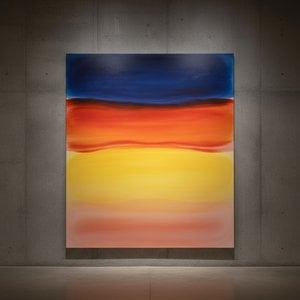
WahooArt.com presents an exquisite hand-painted reproduction of Mark Rothko's “No. 24,” a seminal work from 1949 that embodies the artist’s revolutionary approach to abstract expressionism. This piece, dominated by intense reds and greens, immediately draws the viewer into a realm of profound emotional resonance – a hallmark of Rothko’s mature style. The canvas itself is not merely a surface for paint; it's a textured landscape, built up in layers of thick impasto, creating a palpable physicality that invites tactile engagement. Subtle hints of orange peek through, adding to the complexity and dynamism within the seemingly simple color field composition.
Born in 1903 in Daugavpils, Latvia – then part of the Russian Empire – Mark Rothko's early life was profoundly shaped by displacement and a sensitivity to human suffering. His family’s experiences within the volatile political landscape of Eastern Europe instilled a deep awareness of mortality and existential questions, themes that would become central to his artistic vision. This biographical context is crucial to understanding “No. 24.” Rothko wasn't simply applying color; he was channeling deeply felt emotions, attempting to evoke a visceral response in the viewer. The layering technique, achieved through repeated applications of paint, builds up these emotional layers, creating an almost meditative effect.
Rothko’s use of color wasn't arbitrary. He meticulously studied color theory, particularly the work of Josef Albers, to understand how colors interact and influence each other. The juxtaposition of red and green in “No. 24” is particularly significant. These colors are often associated with primal emotions – red representing passion, anger, or danger, while green symbolizes nature, growth, and sometimes, decay. Rothko aimed to create a spiritual experience for the viewer, suggesting a connection between the individual’s inner world and the vastness of the universe. The thick application of paint, almost sculptural in its presence, further enhances this sense of depth and weight.
"No. 24" represents a pivotal moment in Rothko's career, solidifying his reputation as one of the foremost figures in abstract expressionism. This reproduction captures not just the visual elements of the original but also its emotional core – the profound sense of melancholy, contemplation, and perhaps even spiritual yearning that defines Rothko’s work. A hand-painted reproduction offers a unique opportunity to experience this artwork's power firsthand, bringing Rothko’s intensely personal vision into your space. This piece is more than just decoration; it’s an investment in art history and a gateway to exploring the depths of human emotion.
"No.24" odiše Calm atmosferom.
"No.24" autora Mark Rothko spaja rothko, color field, red green, abstract art, emotional tone, canvas texture, mark rothko s Calm atmosferom.
Za djelo "No.24" autora Mark Rothko dostupna je stranica Vodič za učenike: isprintana informativnica o umjetničkom djelu, dizajnirana za učenike i upotrebu u učionici.

1903 - 1970 , Latvija

Istražite 25 najpoznatijih djela Marka Rothka, majstora apstraktne ekspresije. Otkrijte priče iza njegovih platna, bogatih bojama i emocijama. Reprodukcije vrhunske kvalitete dostupne na WahooArt.com – inspiracija za vaš dom!

Otkrijte 10 remek-djela koja su definirala apstraktni ekspresionizam! Jackson Pollock, Mark Rothko i drugi majstori uljane umjetnosti. Ispričajte priču svojim zidovima uz WahooArt - vrhunske reprodukcije za vaš dom.

Explore 25 iconic Kandinsky masterpieces and the birth of abstraction. Discover the full collection online at WahooArt.com.
Explore the profound emotional depth of Mark Rothko's abstract expressionism. Discover the history, techniques & lasting impact of this pivotal Color Field painter. Expert insights for collectors and art enthusiasts.

Explore the profound emotional depth of Color Field painting. Discover the history of mid-century abstraction, from Rothko to Newman, and learn how pure color transforms the viewer's experience through our expert art history guide.
 Pregledaj u realnoj veličini
 Pošalji
 Podijeli
 Detalji o umjetničkom djelu
 Vodič
Vodič

 Preuzmi umjetničko djelo
 Slični predmeti
 Rentgenska snimka
 Slide show
 Pitanja i odgovori
 Statistika

 Prikaži više









 Opcija stakla dostupna je samo za dimenzije manje od 110 cm


