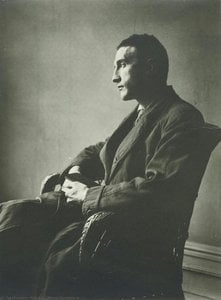
Marcel Duchamp: Revolucionar koji je preispitao samu bit umjetnosti
Marcel Duchamp, rođen kao Henri-Robert-Marcel Duchamp u Blainvilleu nad Rouenom, Normandiji, 1887. godine, bio je više od umjetnika; bio je filozofski provokator koji je temeljito promijenio tijek moderne umjetnosti. Njegov raniji život, iako naizgled konvencionalan – odgajan u obitelji koja je cijenila umjetnički izraz, s oba brata koji su ostvarili uspješne karijere kao umjetnici – nagovještavao bunt koji je trebao doći. Duchamp je prvo pohađao formalnu naobrazbu, svladavši tradicionalne tehnike i eksperimentirajući sa stilovima poslije impresionizma. Međutim, ta akademska podloga nije služila kao kraj sam po sebi, već kao trampolin za postavljanje pitanja o vrlo prirodi umjetnosti, njezinoj svrsi i definiciji. Nije bio zadovoljan samo prikazivanjem svijeta; želio je izazvati način na koji ga opažamo i što čini umjetničku vrijednost. Ta neprestana intelektualna znatiželja postat će definirajuća karakteristika njegove plodne karijere.
Od kubizma do dadaizma: odbijanje konvencija
Umjetnički put Duchampa obilježen je stalnom evolucijom, svjesnim odricanjem od uspostavljenih normi. Njegovo prvo upoznavanje s kubizmom, vidljivo u djelima poput *Portreta igrača šaha* (1911.), pokazalo je interes za fragmentirane oblike i višestruke perspektive – odmak od tradicionalnog predstavljanja. Međutim, on se ubrzo prebacio izvan čisto estetskih briga, shvaćajući da samo preuređivanje vizualnih elemenata nije dovoljno da se riješe dublja pitanja koja su ga mučila. Užasi Prvog svjetskog rata potaknuli su taj nemir, dovodeći Duchampa do prihvaćanja dadaizma, pokreta koji je nastao iz razočaranja i odbijanja logike, razuma i tradicionalnih umjetničkih vrijednosti. Unutar okvira dadaizma Duchamp je zaista počeo demontirati konvencionalne ideje o umjetnosti. Nije bio zainteresiran za stvaranje lijepih predmeta; želio je potaknuti misli, izazvati pretpostavke i izložiti arbitrarnost estetskog suda. Tijekom tog razdoblja rođena je njegova najradikalnija inovacija: 'ready-made'.
Ready-madei i subverzija umjetnosti
Uvođenje ready-madea – uobičajenih proizvedenih predmeta odabranih i prezentiranih kao umjetnost – bio je Duchampov značajniji doprinos 20. stoljeću. To nisu bili samo pronađeni predmeti; bila su to svjesni čini umjetničke subverzije. Uzimajući svakodnevni predmet, poput pisoara (*Fontana*, 1917.), potpisujući ga kao "R. Mutt" i podnoseći ga na izložbu umjetnosti, Duchamp je izazvao samu definiciju umjetničke vještine i autorstva. Je li ruka umjetnika stvorila djelo ili je to bio *koncept* umjetnika? Ovo pitanje postalo je središnje u njegovoj praksi i postavilo temelj za Konceptualnu umjetnost. Ostali zapaženi ready-madei poput *L.H.O.O.Q.* (1919.), reprodukcija slike Mona Lise na čijem se licu nalaze brkovi i brada, bili su igrivo, ali oštro kritiziranje povijesti umjetnosti i uspostavljenih kulturnih ikona. Ta djela nisu trebala biti divljena zbog svojih estetskih kvaliteta; trebala su potaknuti raspravu i prisiliti gledatelje da razmotre svoje predrasude o tome što čini umjetnost. Duchamp je vjerovao da bi umjetnost trebala boraviti u umu, a ne samo u oku.
Nasljeđe i trajni utjecaj
Utjecaj Marcela Duchampa na sljedeće generacije umjetnika nemjerljiv je. On je temeljito promijenio naše razumijevanje umjetnosti, otvorivši put pokretima poput Konceptualne umjetnosti, Minimalizma, Pop Art-a i bezbroj drugih. Njegov naglasak na ideji umjetnika – konceptu iza djela – umjesto njegovim estetskim kvalitetama nastavlja inspirirati umjetnike i danas.
- Kubizam: Rani eksperimenti s razlomljenim oblicima i prostornim prikazom.
- Dadaizam: Odbijanje logike, razuma i tradicionalnih umjetničkih vrijednosti kao odgovor na Prvi svjetski rat.
- Konceptualna umjetnost: Naglasak na ideji iza djela umjesto njegovih estetskih kvaliteta.
Njegovo djelo nastavlja poticati rasprave i izazivati gledatelje da razmotre svoje pretpostavke o kreativnosti i umjetničkom izrazu. Duchamp nije bio samo umjetnik; bio je filozof, provokator i revolucionar koji se usudio dovesti u pitanje sve. Ostaje središnja figura u raspravama o prirodi umjetnosti i njezinoj ulozi u društvu, a njegovim naslijeđem snažno rezonira unutar suvremene umjetničke scene. *Velika staklena ploča* (1915-1923), sa svojom složenom simbolikom i tajanstvenom slikom, svjedoči o njegovoj intelektualnoj rigoroznosti i trajnima utjecaju. Djelo Duchampa ne teži pružanju odgovora; radi se o postavljanju pitanja – pitanjima koja nas i dalje izazivaju i inspiriraju danas.



 Pregledaj u stvarnoj veličini
 Prebacite na prodaju printova
 Podijeli
 Podijeli
 Detalji
 Vodič
Vodič

 Preuzmi datoteku
 Slični predmeti
 Rentgenska snimka
 Slide show
 Statistika


 Pročitajte više


![Genre Allegory [george Washington] — Marcel Duvšan, Surrealism](/media/artworks/images-thumb/90/d9/90d9ce324280fe5002abd42626b6c52f.jpg)