

Giclée tisak muzejske kvalitete ili otisak na platnu uz brzu izradu i raznolike opcije završne obrade. ( Kupi ručno oslikano djelo Prebacite na digitalnu sliku)





























Odaberite jednu od naših unaprijed definiranih veličina koje odgovaraju izvornim proporcijama umjetničkog djela.

Unesite potrebnu širinu i visinu kako bi odgovarali vašem okviru ili zidu. Print se može samo izrezati, nikada ne može biti veći od slike, stoga format s drugačijim omjerom stranica uzrokuje gubitak dijela slike. Prije bilo kakve štampe šaljemo vam digitalni prikaz (mockup) na odobrenje. Slika prikazana na ovoj stranici ne prikazuje stvarni rez — to prikazuje isključivo digitalni prikaz.
Dostava širom svijeta () u roku od 2 tjedna umjesto standardnih 4/5 tjedana. (10 Studeni)
The Lovers
Veličina reprodukcije
In the soft, luminous glow of 1744, Jean-Marc Nattier captured more than just a moment; he immortalized an ideal. “The Lovers” stands as a breathtaking testament to the Rococo era, a period where the heavy, dramatic shadows of the Baroque gave way to a world of pastel light, grace, and intimate connection. As one gazes upon this oil on canvas masterpiece, there is an immediate sense of being transported to an age of refined elegance. The painting depicts a tender interaction between two figures, where the man’s protective presence and the woman’s gentle vulnerability create a narrative of profound devotion. It is not merely a portrait of two individuals, but a window into the very soul of 18th-century French romanticism, making it an irresistible centerpiece for any collection seeking to evoke warmth and sophistication.
The technical mastery of Nattier is evident in every fluid brushstroke and carefully curated hue. Eschewing the rigid structures of his predecessors, Nattier employed a delicate color palette dominated by soothing blues, creamy whites, and soft skin tones. This choice of color serves to unify the composition, creating an atmosphere of tranquility that invites the viewer to linger. The artist utilizes a subtle pyramidal structure—a classic technique that provides a sense of stability—yet he softens this geometry through the organic positioning of the subjects. The woman rests her head with effortless grace, a movement that guides the eye across the canvas in a rhythmic dance of light and shadow. For the interior designer, such a composition offers a balanced visual weight that complements both classical and contemporary settings, bringing a sense of historical prestige to a modern room.
Beyond its surface beauty, “The Lovers” is a rich tapestry of symbolic language. Nattier was a master of the allegorical portrait, often imbuing his subjects with qualities of mythological figures. In this work, the subtle gestures speak volumes: the man’s hand holding the woman’s, and his gaze fixed upon her, act as emblems of masculine strength and steadfast devotion. Conversely, her posture suggests a serene trust, embodying the idealized feminine grace celebrated in the court of Louis XV. The inclusion of elements such as the wine glass and the scattered fruit on the table adds a layer of sensory depth, suggesting a celebration of life’s pleasures and the timeless connection between love and abundance.
To possess a reproduction of this work is to invite a conversation about enduring human emotions into one's home. The painting does not shout; it whispers of companionship, legacy, and the beauty of a shared moment. Whether placed in a sunlit library or a formal dining area, “The Lovers” serves as an emotional anchor, reminding all who behold it of the profound beauty found in tenderness and the timeless allure of the Rococo spirit. It is an investment in atmosphere, offering a piece of art history that continues to breathe life into the spaces it inhabits.
Tehnika djela "The Lovers" autora Mark Natijer je Oil On Canvas, a rad je datiran u 1744.
Status autorskih prava za djelo "The Lovers" – u javnom vlasništvu – autorska prava su istekla – proizlazi iz godine smrti umjetnika, 1766.
Autor djela "The Lovers" je Mark Natijer, koji pripada pokretu Rococo.


1685 - 1766 , Francuska
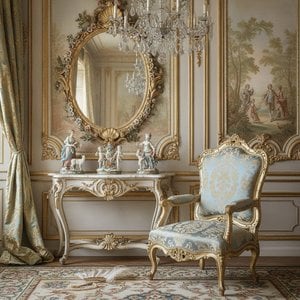
Discover the exquisite allure of Rococo art. Explore a curated guide to 18th-century French masterpieces, from Watteau to Fragonard, and learn how hand-painted oil reproductions can bring timeless elegance and luxury to your sophisticated interior design collection.

Immerse yourself in the splendor of Rococo art. Discover the era of elegance through masterworks by Watteau and Fragonard. Explore themes of romance, aristocratic leisure, and gilded ornamentation in this definitive guide to 18th-century French opulence.
 Pregledaj u realnoj veličini
 Pošalji
 Podijeli
 Detalji o umjetničkom djelu
 Vodič
Vodič

 Preuzmi umjetničko djelo
 Slični predmeti
 Rentgenska snimka
 Slide show
 Pitanja i odgovori
 Statistika


 Prikaži više









 Opcija stakla dostupna je samo za dimenzije manje od 110 cm


