Biografija umjetnika
Renesansni majstor Saksonije: Život i umjetnost Lukasa Kranacha Starijeg
Lucas Cranach Stariji, rođen u Kronachu u Njemačkoj oko 1472. godine, predstavlja ključnu figuru njemačke renesanse. Njegov život odvijao se tijekom razdoblja ogromnih religijskih i političkih previranja, a njegova je umjetnost postala neraskidivo povezana i s usincujućom protestantskom reformacijom i raskošnim dvorevima kojima je služio. Početno podučav 따라 njegov otac, Hans Maler, Cranachov rani umjetnički razvoj ostaje donekle obavijen misterijom, iako su utjecaji južnonjemačkih majstora evidentni u njegovom evoluirajućem stilu. Brzo se istaknuo ne samo kao vješt majstor, već i kao umjetnik sposoban uhvatiti psihološku dubinu uz tehničku preciznost – kvalitete koje će uskoro privući pažnju moćnih pokrovitelja. Godine 1s04. ušao je u službu Friedricha III., izbornika Saksonije, što je bio odnos koji će definirati veći dio njegove karijere i osigurati mu stabilnost te pristup utjecajnim krugovima. Ovo imenovanje za dvorskog slikara u Wittenbergu nije se svodilo samo na stvaranje dekorativnih djela; ono je Kranacha postavilo u samo srce jednog od najtransformativnijih pokreta u europskoj povijesti.
Pokroviteljstvo, Reformacija i umjetničke inovacije
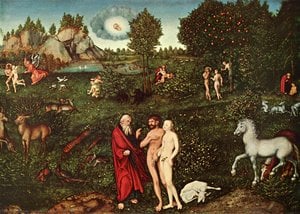
Cranachov položaj unutar saksonskog dvora pokazao se presudnim ne samo za njegov život, već i za njegov umjetnički razvoj. On nije samo dokumentirao događaje; on je aktivno oblikovao vizualne narative u vrijeme dubokih promjena. Njegovo najtrajnije naslijeđe je, moglo bi se reći, njegova bliska povezanost s Martinom Lutherom, središnjom figurom protestantske reformacije. Cranach je stvorio ne manje od jedanaest portreta Luthera, od kojih svaki nudi jedinstven uvid u reformatorovu osobnost i njegovu evoluirajuću ulogu. To nisu bili puki portreti; to su bile pažljivo konstruirane slike dizajnirane da projektiraju autoritet, pobožnost i intelektualnu snagu – esencijalne kvalitete za vođu koji izaziva utvrđeni religijski poredak. Nadilazeći portretstvo, Cranach je preveo teologiju reformacije u vizualni oblik, proizvodeći drvoreze i slike koje su široko širile protestantske ideje. Njegovi prikazi biblijskih scena udaljavali su se od tradicionalne katoličke ikonografije, naglašavajući izravnu povezanost s pismom i poticaoći osobniji odnos između vjernika i vjere. Objavljenje Joachimu, primjerice, zrači radosnim duhom, odražavajući novi naglasak na individualnoj pobožnosti unutar reformirane crkve. Ovaj inovativni pristup protezao se izvan religijskih tema; Cranachove mitološke slike, poput prikaza Venere i drugih klasičnih figura, često su nosile alegorijska značenja relevantna suvremenim političkim i društvenim pitanjima.
Dinastija radionice: Stil i tehnika
Lucas Cranach Stariji nije bio usamljeni umjetnik koji radi u izolaciji. Vodio je iznimno produktivnu radionicu, zapošljavajući brojne pomoćnike i šegrta koji su značajno doprinijeli njegovom opusu. Ovaj kolaborativni pristup značio je da su mnogi radovi pripisani Cranachu zapravo nastali pod njegovim vodstvom ili od strane članova njegovog kruga – uključujući njegovog sina, Lucasa Kranacha Mlađeg. Radionica obitelji Cranach postala je poznata po svom prepoznatljivom stilu: elegantnim figurama s izduženim proporcijama, živopisnim bojama i pedantnom pažnjom prema detaljima. Njegova tehnika uključivala je kombinaciju slikanja uljanim bojama, drvoreza i gravure, što mu je omogućilo da dopre do široke publike putem originalnih umjetničkih djela, ali i pristupačnih printova. Lov na srne u izborničkom Friedrichu III. Mudrom primjer je njegovog majstorstva u stilu sjeverne renesanse, prikazujući detaljni realizam uz plemeniti simbolizam. Kompozicija je dinamična, hvata energiju lova dok istovremeno prenosi moć i status izbornika. Cranachova upotreba svjetla i sjene stvara osjećaj dubine i atmosfere, uvlačeći gledatelja u scenu. Njegovi su portreti podjednako uvjerljivi, okarakterizirani psihološkim uvidom i rafiniranom izvedbom.
Naslijeđe i trajni utjecaj
Lucas Cranach Stariji umro je 1553. godine, ostavivši iza sebe izvanredno umjetničko naslijeđe koje i danas odjekuje. Bio je majstor portretizma, vješt tumač religijskih tema i proračunat poslovni čovjek koji je razumio moć vizualne komunikacije. Njegovo djelo ne samo da odražava kulturne i intelektualne struje svog vremena, već je pomoglo i u njihovom oblikovanju. Radionica obitelji Cranach nastavila je cvjetati i nakon njegove smrti, osiguravajući da se njegov stil i tehnike prenose generacijama. Njegov utjecaj može se vidjeti u djelima brojnih kasnijih umjetnika, a njegove slike ostaju iznimno tražene od strane kolekcionara i muzeja širom svijeta. Od ikoničnih portreta Martina Luthera do očaravajućih mitoloških scena, Cranachova umjetnost nudi fascinantan prozor u svijet njemačke renesanse – svijet obilježen dubokim duhovnim ispitivanjem i umjetničkom inovacijom. Njegova sposobnost spajanja religiozne žarene strasti, političke snalažljivosti i umjetničkog talenta učvrstila je njegovo mjesto kao jednog od najvažnijih umjetnika svoje ere, a njegov doprinos nastavlja inspirirati i očaravati publiku stoljećima kasnije.



 Pregledaj u stvarnoj veličini
 Naručite ručno oslikano reprodukciju
 Podijeli
 Podijeli
 Detalji
 Vodič
Vodič

 Preuzmi datoteku
 Slični predmeti
 Rentgenska snimka
 Slide show
 Statistika


 Pročitajte više






































 Opcija stakla dostupna je samo za dimenzije manje od 110 cm