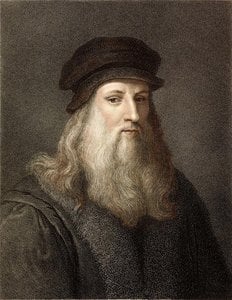
Život i naslijeđe Leonarda da Vincija
Leonardo di ser Piero da Vinci, rođen 1452. godine u blizini toskanskog sela Vinci, ostaje vjerojatno najprepoznatljivija figura Renesanse – istinski polimat čija je neugasiva znatiželja vodila kroz brojne discipline, ostavljajući neizbrisiv trag u umjetnosti, znanosti i inženjerstvu. Samo njegovo ime postalo je sinonim za genijalnost, svjedočanstvo iznimne širine talenta i vizionarskog razmišljanja. Rođen izvan braka notara Piera da Vincija i seljačke žene Caterine, Leonardov rani život bio je nekonvencionalan, no upravo je taj početak omogućio mu pristup praktičnom svijetu i duboko poštovanje prema prirodi koje će temeljno oblikovati njegovu umjetničku viziju. Iako je stekao osnovno obrazovanje u čitanju, pisanju i računanju, upravo je njegovo stažiranje kod Andrea del Verrocchia u Firenci zapravo zapalilo njegov kreativni plamen. Unutar Verrocchijeve radionice, Leonardo nije samo učio slikati ili kipariti; bio je uronjen u svijet tehničke vještine, ovladavajući obradom metala, stolarijom, crtanjem i složenostima umjetničkog stvaranja – temeljom na kojem će izgraditi svoj višestrani genij. Čak i tijekom tog formativnog razdoblja, šuškalo se o njegovom iznimnom talentu, a zapisi sugeriraju da je sam Verrocchio odustao od slikanja nakon što je svjedočio Leonardovoj nadmoćnoj sposobnosti.
Milanski inovacije i umjetničko cvjetanje
Godine 1482. Leonardo je započeo novo poglavlje, ulazeći u službu Ludovica Sforza, vojvode Milanskog. Ovo nije bio samo umjetnički angažman; Leonardo je djelovao kao vojni inženjer, arhitekt, kipar i projektant za dvor – što je dokaz njegovih raznolik mlatih vještina. Osmišljavao je inovativne utvrde, dizajnirao raskošne scenske postavke, pa čak i crtao planove za fantastične strojeve. Međutim, upravo je tijekom ovog razdoblja započeo rad na jednom od svojih najpoznatijih remek-djela: Posljednja večera. Naslikana kao freska u refektoriju samostana Santa Maria delle Grazie, ova umjetnina nadilazi puku reprezentaciju; to je duboko istraživanje ljudskih emocija i psihološke drame, koje bilježi točno onaj trenutak kada Krist objavljuje izdaju. Kompozicija, inovativna za svoje vrijeme, te majstorska upotreba perspektive, duboko će utjecati na zapadnu umjetnost stoljećima koji dolaze. Iako su mnogi kiparstvo projekti ostali nedovršeni tijekom njegovog milanskog razdoblja, Leonardov izumiteljski duh nastavio je cvjetati, postavljajući temelje za buduća znanstvena istraživanja.
Povratak u Firencu i potraga za savršenstvom
Nakon francuske invazije na Milano 1499. godine, Leonardo se vratio u Firencu, grad koji je doživljavao vrhunac umjetničkog razvoja. Iako je tijekom tog vremena stvorio manje završenih djela, njihov je utjecaj bio golem. Upravo je ovdje započeo rad na onome što će postati vjerošću najpoznatija slika na svijetu: Mona Lisa (La Gioconda). Enigmatični osmijeh i očaravajući pogled subjekta fasciniraju gledatelje generacijama, dok je Leonardova revolucionarna tehnika sfumato – suptilno miješanje svjetla i sjene kako bi se stvorili zamućeni obrisi i atmosferska perspektiva – značajno doprinijela eteričnom kvaliteti slike. Ovo razdoblje također donijelo je nastavak usavršavanja njegovih anatomskih studija, vođen neumoljivom željom da razumije ljudski oblik s znanstvenom preciznošću. Dissecirao je leševe, pedantno dokumentirajući mišiće, kosti i organe u nizu nevjerojatno detaljnih crteža koji su bili stoljećima ispred svog vremena.
Naslijeđe izvan umjetnosti: znanost, izum i trajni utjecaj
Leonardove kasnije godine obilježene su putovanjima između Firence, Milana i Rima, uvijek tražen zbog svoje stručnosti, ali često ostavljajući projekte nedovršenima – što je možda odraz njegovog nemirnog intelekta i same širine njegovih interesa. Godine 1516. prihvatio je poziv kralja Franje I. da živi i radi u Château du Clos Lucé blizu Amboisea u Francuskoj, gdje je proveo svoje posljednje godine. Umro je tamo 1519. godine, ostavljajući iza sebe golemo naslijeđe koje se proteže daleko izvan okvira umjetnosti. Njegove bilježnice otkrivaju pionirske radove u anatomiji, optici, hidraulici, geologiji i kartografiji – te konceptualizirane izume koji su bili stoljećima ispred svog vremena, uključujući leteće strojeve, tenkove i napredno oružje. Utjecaj Leonarda da Vincija na povijest umjetnosti neizmjeren je. Podigao je status umjetnika s vještih zanatlija na intelektualne figure, pokazujući da umjetničko stvaranje može biti prožeto znanstvenim istraživanjem i dubokim razumijevanjem prirodnog svijeta. Njegove slike slave se zbog svog realizma, psihološke dubine i inovativnih tehnika. On ostaje simbol ljudske znatiželje, kreativnosti i neumorne potrage za znanjem – istinsko utjelovljenje renesansnog duha čije naslijeđe nastavlja izazivati divljenje i fascinaciju stoljećima nakon njegove smrti.
Ključna postignuća i trajni utjecaj
- Slikarstvo: Mona Lisa, Posljednja večera, Madonna u stijeni, Objavljenje
- Crtež i skica: Opsežni anatomski studiji, Inženjerski projektima (leteći strojevi, oružje), Botaničke ilustracije
- Znanost i inženjerstvo: Pionirska istraživanja u anatomiji, optici, hidraulici, geologiji i kartografiji. Konceptualizirani izumi stoljećima ispred svog vremena.



 Pregledaj u stvarnoj veličini
 Naručite ručno oslikano reprodukciju
 Podijeli
 Podijeli
 Detalji
 Vodič
Vodič

 Preuzmi datoteku
 Slični predmeti
 Rentgenska snimka
 Slide show
 Statistika


 Pročitajte više






































 Opcija stakla dostupna je samo za dimenzije manje od 110 cm