Preuzmite datoteku spremnu za tisak koja kvalitom daleko nadilazi web prikaz. Svaka digitalna slika koju prodajemo prosljeđuje se iz visokorezolucijske master datoteke iz naše baze — obično širine od 5.000 do 15.000 piksela — što vam omogućuje tisak velikih dimenzija, precizno izrezivanje ili sigurnu reprodukciju najfinijih detalja.
Nijedna datoteka ne napušta naš studio netaknuta. Digitalni stručnjak uspoređuje boje s izvornim slikama i po potrebi ih ispravlja, a zatim poboljšava jasnoću i detalje pomoću profesionalnih alata za retuširanje — uvijek ostajući vjerni umjetnikovim potezima četkice i stilu. Rezultat je prikaz koji izgleda kao prava slika, a ne kao sken s filtrima.
Odobravanje prije završetka: naš stručnjak šalje sliku e-poštom u roku od 72 sata na vaš pregled. Niste zadovoljni? Zatražite poboljšanja ili ispravke, ili tražite povrat novca ako kvaliteta ne ispunjava vaša očekivanja.
To je kvaliteta na koju se oslanjaju izdavači, dizajn studiji, galerije i tiskare.
Preuzmite datoteku visoke rezolucije za osobnu izložbu, tisak i kreativne projekte. ( Prebacite na printove Kupi ručno oslikano djelo)
Odabirom WahooArt.com ne dobivate samo sliku – dobivate profesionalno unapređeno digitalno umjetničko djelo, izrađeno s najvećom preciznošću uz jamstvo zadovoljstva. Evo svega što automatski dolazi uz vašu narudžbu:
Vaša digitalna slika visoke rezolucije bit će vam poslana e-mailom u roku od 72 sata od trenutka narudžbe – spremna za neposrednu upotrebu.
Vaše umjetničko djelo profesionalno je optimizirano pomoću naprednih AI alata i ručnog uređivanja, čime se osigurava maksimalna razina detalja, oštrine i točnosti boja.
Slučajno ste obrisali ili izgubili svoju datoteku? Ne brinite – ponovno ćemo vam je poslati u bilo kojem trenutku, potpuno besplatno.
Uživajte u svojim umjetničkim djelima trenutno, bez carina, pristojbi ili troškova dostave – digitalni downloadi uvijek su oslobođeni poreza.
Uz pomoć profesionalnih alata i upravljanja bojama, osiguravamo da vaša digitalna slika što vjernije odražava izvorne boje.
Ako niste zadovoljni svojom digitalnom slikom, revidirat ćemo je ili vratiti 100% iznosa u roku od 100 dana – bez suvišnih pitanja.
Niste zadovoljni? Osigurajte puni povrat novca u roku od 100 dana od primitka digitalne datoteke – bez suvišnih pitanja.
Kupite 3 slike, uštedite 10% - Kupite 5 slika, uštedite 15% - Kupite 10+ slika, uštedite 20%. Odlično za kreativne projekte, galerije i agencije.
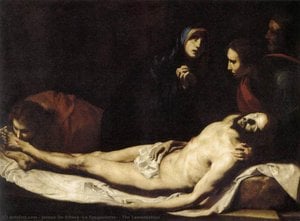
Jusepe de Ribera's 1626 painting, *Drunken Silenus*, isn’t merely a depiction of a drunken reveler; it’s a visceral plunge into the heart of the Baroque era – a world saturated with drama, religious fervor, and a profound fascination with human vulnerability. Housed within the Museo di Capodimonte in Naples, this monumental canvas immediately commands attention with its stark contrasts of light and shadow, a signature technique known as tenebrism that Ribera honed to breathtaking effect. The scene unfolds against a dark, almost claustrophobic background, drawing the viewer’s eye relentlessly towards Silenus himself – a figure sprawled upon a simple cloth, his body rendered with an unflinching realism that borders on brutality. He's not idealized; he’s a man consumed by intoxication, his features distorted by wine-induced delirium, yet there’s a strange magnetism in his slumped posture and vacant gaze.
Ribera masterfully employs color to heighten the drama. Deep reds and browns dominate the palette, punctuated by flashes of gold and silver – the glint of the cup offered by a satyr, the shimmering wreath crowning Silenus’s head. This interplay of light and dark isn't simply aesthetic; it serves to emphasize the figure’s vulnerability and isolation within the chaotic energy of the surrounding group. The composition itself is deliberately unbalanced, mirroring the disequilibrium of Silenus’s state. The figures around him – a panoply of satyrs, maenads, and drunken revelers – are rendered with equally intense detail, each contributing to the painting's overall sense of unrestrained abandon.
Silenus himself is a figure steeped in Greek mythology. He’s not simply a drunkard; he’s Dionysus’s tutor, a companion who embodies the god’s wildness, his connection to nature, and his association with intoxication and ecstasy. Ribera cleverly adapts this mythological archetype for a Baroque audience, imbuing it with layers of symbolic meaning. The snake coiled at the bottom right, a recurring motif in Ribera's work, represents wisdom – a paradoxical element within the context of drunken revelry. The turtle to the right symbolizes laziness and sloth, further reinforcing the painting’s exploration of human weakness and indulgence.
Pan, the god of shepherds and wild nature, is depicted crowning Silenus with vines, a gesture that simultaneously celebrates his status as a divine figure and subtly mocks his drunken state. The shell he holds – a symbol announcing his death – adds another layer of morbid humor to the scene. The inclusion of these classical symbols within a secular setting speaks to the Baroque era’s fascination with blending religious and mythological themes, creating works that were both deeply spiritual and intensely worldly.
Ribera's mastery of technique is evident in every brushstroke. He employs a highly detailed, almost photographic realism, meticulously rendering the textures of skin, fabric, and foliage. However, it’s his use of tenebrism – the dramatic contrast between light and dark – that truly elevates *Drunken Silenus* to a masterpiece. Ribera doesn't simply paint; he sculpts with light, creating an illusion of depth and volume that draws the viewer into the scene. The strong chiaroscuro not only emphasizes the figures but also evokes a sense of drama and urgency.
The etching version of this painting, now held in the British Museum, demonstrates Ribera’s ability to translate his dramatic style to printmaking. The stark contrasts of light and shadow are even more pronounced in the etching, creating a powerful and immediate impact. The simplified forms and heightened detail further emphasize the emotional intensity of the scene.
Created in Naples during the Spanish rule of the city, *Drunken Silenus* is more than just a mythological painting; it’s a reflection of the social and cultural landscape of 17th-century Italy. Ribera's work often explored themes of poverty, suffering, and mortality – subjects that resonated deeply with the realities of life in Naples. The inscription on the painting itself—"Hic est Silenus, qui in Nipo diebat"—("Here is Silenus who lived in Naples")—is a deliberate act of claiming artistic ownership over the city, solidifying his position as one of its most significant cultural figures. *Drunken Silenus* remains a powerful testament to Ribera’s genius and a captivating window into the dramatic world of the Baroque.
Zabilježena razina popularnosti za "Drunken Silenus" autora Jose De Ribera iznosi Iconic.
Boje djela "Drunken Silenus" čine Earthy paletu. Ova klasifikacija opisuje dominantne obitelji boja.
Boja koja najviše dolazi do izražaja u djelu "Drunken Silenus" je Phthalo Green (#1f1a14). Dominantna boja korisna je pri uklapanju umjetničkog djela u interijer.


1591 - 1652 , Španjolska
 Pregledaj u realnoj veličini
 Pošalji
 Podijeli
 Detalji o umjetničkom djelu
 Vodič
Vodič

 Preuzmi umjetničko djelo
 Slični predmeti
 Rentgenska snimka
 Slide show
 Pitanja i odgovori
 Statistika


 Prikaži više