Biografija umjetnika
Početak putovanja: Život i rane godine José Victoriana Gonzáleza
José Victoriano González-Pérez, kasnije poznat kao Juan Gris, rođen je 23. ožujka 1887. u Madridu, Španjolska. Njegov početni put nije bio izravno usmjeren prema svijetu slikarstva; studirao je inženjerstvo na Školi umjetnosti i znanosti, pokazujući analitički um koji će kasnije duboko utjecati na njegov umjetnički pristup. Čak i tijekom tih formativnih godina, kreativna iskra nije bila ugašena – doprinos crteža lokalnim periodikama nagovještavao je rastući vizualni talent. Ključna točka dogodila se 1905. kada je usvojio pseudonim Juan Gris, ime koje odražava novoosjećaj identiteta i svrhe dok je započeo formalno slikanje pod vodstvom Joséa Morena Carbonera. Ovo je označilo ključnu promjenu, postavljajući ga na put umjetničke inovacije. Njegova obitelj, iako nije bila izravno povezana sa svijetom umjetnosti, podržavala je njegov interes za crtanje i vizualne vještine, što mu je omogućilo da razvija temeljne vještine prije nego što se preselio u Pariz.
Pariz: Probodjenje kroz avangardu i usvajanje kubizma
Godina 1906. svjedočila je transformativnom prelasku u Pariz, grad koji je tada pulsirao umjetničkom energijom. Gris se uronio u ovo živahno okruženje, sklapajući prijateljstva s istaknutim osobama poput Henrija Matissea, Georgesa Braquea i Fernanda Légera. U početku se bavio satiričnim ilustracijama za publikacije kao što je *L'Assiette au Beurre*, usavršavajući svoje promatračke vještine i razvijajući oštar osjećaj vizualnog humora. Međutim, magnetska privlačnost Pabla Picassa pokazala se posebno utjecajnom. Oko 1910. godine Gris je ozbiljno posvetio slikanju, udaljavajući se od karikature prema novom jeziku kubizma. To nije bila puka imitacija; krenuo je u potragu za destilacijom suštine forme i prostora, tražeći novi vizualni poredak. Njegova rana istraživanja obilježila je namjerni odmak od tradicionalne reprezentacije, prihvativši apstrakciju kao sredstvo hvatanja temeljne strukture stvarnosti. U tom razdoblju, Gris je eksperimentirao s različitim stilovima i tehnikama, tražeći vlastiti izraz unutar kubističkog pokreta.
Geometrija percepcije: Stil i ključna djela
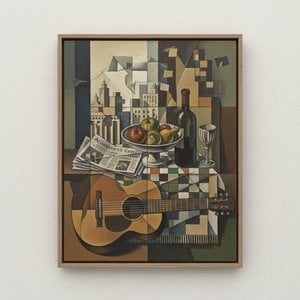
Umjetnički rad Juana Grisa karakterizira iznimna jasnoća i intelektualna strogost. On nije samo dekonstruirao objekte; ponovno ih je izgradio s namjernom preciznošću, naglašavajući geometrijske oblike i pažljivo promišljen paletu boja. Ovaj pristup doveo je do onoga što je postalo poznato kao njegovo "kristalno razdoblje", utjelovljeno u remek-djela poput *Natura mrtva ispred otvorenog prozora* i *Place Ravignan* (1915.). Ova djela pokazuju izvanrednu interakciju ravnina i kutova, stvarajući osjećaj dubine i čvrstoće istovremeno izazivajući konvencionalne predodžbe o perspektivi. Nakon 1913. godine, Gris je prihvatio sintetički kubizam, pionirski koristeći *papier collé* – kolaž – ugrađujući stvarne materijale poput izreza novina i teksturiranih papira u svoje kompozicije. Ova tehnika dodala je još jedan sloj složenosti i taktilnosti njegovom radu, zamućujući granice između slikarstva i kiparstva. Značajni primjeri uključuju *Gitara ispred mora* (1925.), svjedočanstvo o njegovim pojednostavljenim oblicima i poštivanju kubističkih principa, te *Počast Pablu Picassu* (1912.), koji je signalizirao njegovo sve veće priznanje unutar avangardnog umjetničkog svijeta. Njegova djela često su sadržavala elemente tihe kontemplacije i introspekcije, što ih izdvaja od nekih drugih kubističkih radova.
Nasljeđe i trajni utjecaj
Doprinos Juana Grisa kubizmu proteže se dalje od pukih stilskih inovacija; donio je jedinstvenu intelektualnu dubinu i strukturnu jasnoću pokretu. Prešao je fazu analitičkog kubizma, prema organiziranijem i sintetičkom pristupu, naglašavajući red i preciznost. Njegov rad snažno je utjecao na puristički stil koji su zagovarali Amédée Ozenfant i Charles Edouard Jeanneret (Le Corbusier), zalažući se za povratak klasičnim principima forme i kompozicije. Grisov naglasak na geometrijskim oblicima, harmoničnim paletama boja i integraciji svakodnevnih objekata u njegovu umjetnost uspostavio ga je kao ključnu figuru u umjetnosti 20. stoljeća. Njegovo nasljeđe nastavlja nadahnjivati umjetnike danas, demonstrirajući trajni utjecaj kubizma i vizionarskog genija Juana Grisa – španjolskog majstora koji je preoblikovao naše razumijevanje percepcije i reprezentacije. Iako mu je život bio relativno kratak, umro je 1927., njegov doprinos umjetnosti ostaje duboko ukorijenjen u povijesti modernog slikarstva.



 Pregledaj u stvarnoj veličini
 Naručite ručno oslikano reprodukciju
 Podijeli
 Podijeli
 Detalji
 Guide
Guide

 Preuzmi datoteku
 Slični predmeti
 Rentgenska snimka
 Slide show
 Statistika


 Pročitajte više






































 Opcija stakla dostupna je samo za dimenzije manje od 110 cm