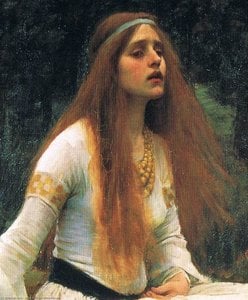
Pre-Raphaelite Romanticism
 1917Renaissance
 90.0 x 144.0 cm
 Auckland Art Gallery Toi o Tāmaki
Kupite digitalnu sliku visoke rezolucije i poboljšane kvalitete, koja je znatno superiornija od online prikaza.
Svaka datoteka pedantno je pripremljena od strane naših internih stručnjaka koristeći napredne alate i vještinsku ručnu retušu. Osiguravamo da svaka slika ima iznimnu jasnoću, preciznu točnost boja i visoku razinu detalja.
Konačna datoteka dostavlja se putem e-pošte u roku od 72 sata, optimizirana za neposrednu upotrebu u profesionalnim, uredničkim i tiskarskim okruženjima. To je ista kvaliteta kojoj vjeruju vrhunski studiji dizajna, izdavači i galerije.
Preuzmite datoteku visoke rezolucije za osobnu izložbu, tisak i kreativne projekte. ( Kupi print Kupi ručno naslikanu sliku)
Odabirom WahooArt.com ne dobivate samo sliku – dobivate profesionalno unapređeno digitalno umjetničko djelo, izrađeno s najvećom preciznošću uz jamstvo zadovoljstva. Evo svega što automatski dolazi uz vašu narudžbu:

Vaša digitalna slika visoke rezolucije bit će vam poslana e-mailom u roku od 72 sata od narudžbe – spremna za neposrednu upotrebu.

Vaše umjetničko djelo profesionalno je optimizirano pomoću naprednih AI alata i ručnog uređivanja, čime se osigurava maksimalna razina detalja, oštrine i točnosti boja.

Slučajno ste obrisali ili izgubili svoju datoteku? Ne brinite – ponovno ćemo vam je poslati u bilo kojem trenutku, potpuno besplatno.

Uživajte u svojim umjetničkim djelima trenutno, bez carina, pristojbi ili troškova dostave – digitalne datoteke uvijek su oslobođene poreza.

Uz pomoć profesionalnih alata i upravljanja bojama, osiguravamo da vaša digitalna slika što vjernije odražava izvorne boje.

Ako niste zadovoljni svojom digitalnom slikom, revidirat ćemo je ili vratiti 100% iznosa u roku od 100 dana – bez suvišnih pitanja.

Niste zadovoljni? Osigurajte puni povrat novca u roku od 100 dana od primitka digitalne datoteke – bez suvišnih pitanja.

Kupite 3 slike, uštedite 10% - Kupite 5 slika, uštedite 15% - Kupite 10+ slika, uštedite 20%. Odlično za kreativne projekte, galerije i agencije.
John Waterhouse’s “Lamia” is more than simply a depiction of a classical scene; it's an immersive experience, a carefully constructed tableau designed to evoke the very essence of Keats’s poem. Painted in 1917, this work exemplifies Waterhouse’s masterful command of Pre-Raphaelite aesthetics – a style characterized by meticulous detail, luminous color palettes, and a profound reverence for medieval and Renaissance art. The scene unfolds within the shadowed depths of an ancient Greek hillside, rendered with a sensitivity to light and atmosphere that borders on the ethereal. The knight's posture, rigid yet yearning, combined with Lamia’s melancholic grace, creates a palpable tension – a frozen moment of both desire and impending doom.
(Image of Lamia by John Waterhouse)
Waterhouse’s interpretation is deeply rooted in Keats's original poem. The title itself, “Lamia,” immediately establishes the subject – a monstrous woman transformed from human beauty through divine retribution. However, it’s not merely a retelling of the myth; Waterhouse subtly shifts the focus to the knight’s perspective. His intense gaze, directed solely at Lamia, speaks volumes about his captivated vulnerability. The positioning—kneeling before her, hand outstretched – suggests a willing surrender to an irresistible force, mirroring the poem's exploration of obsessive love and fatal attraction. The ‘evening dim at moth time,’ so vividly described by Keats, is meticulously recreated through Waterhouse’s use of muted tones and atmospheric haze, amplifying the sense of mystery and foreboding.
Waterhouse's technical skill is immediately apparent in the rendering of texture. The armor gleams with a realistic sheen, reflecting the light while simultaneously conveying its protective function. The fabric of Lamia’s garment – subtly textured to suggest scales – provides a crucial visual clue to her true nature, a delicate yet unsettling detail that avoids overt horror. The peacock hues within the ‘snake-skin’ draped around her are not merely decorative; they directly reference Keats's evocative description, grounding the painting firmly in the poem’s imagery and reinforcing the theme of transformation and corruption. The inclusion of the two swords adds a layer of narrative complexity, hinting at conflict and potential violence – a stark contrast to Lamia’s initial allure.
"Lamia" represents a pivotal moment in Waterhouse's artistic development. Initially working in the style of Lawrence Alma-Tadema, he gradually embraced the Pre-Raphaelite Brotherhood’s romantic vision, finding inspiration in Arthurian legends and medieval themes. This painting showcases his mastery of this style, demonstrating his ability to seamlessly blend classical subject matter with a distinctly Pre-Raphaelite sensibility. Waterhouse's "Lamia" remains a powerful example of the movement's influence, captivating viewers with its beauty, mystery, and profound exploration of human emotion – a testament to Waterhouse’s enduring artistic legacy.


1849 - 1917 , Italija

 Pregledaj u stvarnoj veličini
 Pošalji
 Podijeli
 Detalji o umjetničkom djelu

 Preuzmi
 Slični predmeti
 Rentgenska snimka
 Automatska prezentacija
 Prikaži više