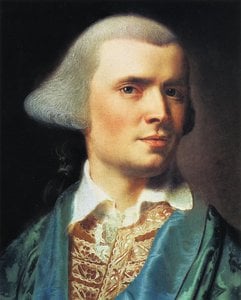
John Singleton Copley: Pionirsko Preplitanje Svijetova i Američke Umjetnosti
John Singleton Copley, rođen u Bostonu 1738., zauzima jedinstveno i ključno mjesto u povijesti američke umjetnosti. Nije bio samo slikar; bio je kulturni mostobran, oblikujući izrazito anglo-američku estetiku u dobu velikih političkih i društvenih previranja. Priča o njemu je priča o samoukom talentu, neumornoj ambiciji i nevjerojatnoj sposobnosti da ne samo reproducira fizičke karakteristike, već i uhvati samu bit svojih subjekata unutar konteksta njihova vremena. Copleyjev raniji život bio je uronjen u živahni pomorski svijet kolonijalnog Bostona, grada prepunog trgovaca, brodograditelja i rastućeg bogatstva. Njegov otac, Richard Copley, iako ubrzo napustio obitelj, bio je trgovac duhanom, dok je njegova majka, Mary Singleton Copley, vodila trgovinu na Long Wharfu. Ta sredina u mladog Johna utisnula je oštru svijest o materijalnom svijetu – teksture tkanina, sjaj srebra, nijanse društvenog statusa – svi elementi koji će kasnije definirati njegov umjetnički stil. Njegov posinak, Peter Pelham, gravir i limier (umjetnik koji je stvarao portrete na pergameni), pružio mu je određene početne smjernice, no Copleyjev talent bio je prvenstveno samokreiran kroz marljivo studiranje i vježbu. Prožimao se dostupnim gravurama, pažljivo ih kopirajući kako bi svladao tehniku, te ubrzo nadmašio sposobnosti svog posinka.
Uznicanje Kolonijalnog Portreta
Do 1760-ih, Copley je uspostavio sebe kao vodećeg portretista u Bostonu, služeći potrebe grada elite. Njegov uspjeh nije bio samo rezultat tehničke vještine; bila je to njegova sposobnost da svojim portretima udahne psihološku dubinu rijetko viđenu u kolonijalnoj američkoj umjetnosti. Prešao je iznad pukog prikazivanja, nastojeći uhvatiti karakter i društveni status svojih subjekata. To je uključivalo pomno obraćanje detaljima – preciznu reprodukciju tkanina, nakita i namještaja – ali i oštru percepciju držanja, izraza lica i geste. Copleyjevi portreti nisu bili samo slike; bili su izjave o bogatstvu, moći i društvenim ambicijama. Vješto je u svoja djela uklapao simbolične objekte, suptilno naglašavajući profesije ili interese svojih subjekata. Trgovač bi bio prikazan s uvezenom robom u pozadini, odvjetnik s pravnim tekstovima, ili mornarički časnik sa pomorskim instrumentima. Ta pažnja na detalje i simbolizam podigla je njegov rad iznad pukog portretiranja, pretvarajući ga u oblik društvenog komentara. Njegovi portreti uglednih osoba poput *Mrs. Ezekiel Gondthwait (Elizabeth Lewis)* svjedoče o tom pristupu – elegantna poza, luksuzne tkanine i suptilni detalji odražavaju osjećaj profinjenosti i statusa.
Ambicije i Poziv Europe
Unatoč svom uspjehu u Bostonu, Copley je nosio ambicije koje su se protezale izvan kolonijalnog svijeta umjetnosti. Žudio je za priznanjem od strane uspostavljenih umjetničkih krugova u Londonu i Rimu te želio je testirati svoju vještinu uz majstore europske umjetnosti. 1766. godine poslao je svoje *Dječaka s letećim vjevericom* Društvu umjetnika u Londonu, gdje je primljen značajan pohvalni od Josha Reynoldsa i Benjamina Westa – dvojice vodećih figura britanske umjetničke scene. Ta potpora rasplamsala je Copleyjevu želju za daljnjim obrazovanjem i izloženošću. Međutim, obiteljske obveze i procvjetavajući posao držali su ga zakorijenjenog u Bostonu još deset godina. Konačno, 1774. godine, sa svojom suprugom Susannom Farnsworth Clarke i djecom, krenuo je na putovanje u Europu, s namjerom da studira stare majstore i uspostavi se kao povjesničar umjetnosti. Izbijegao je Američku revoluciju ubrzo nakon dolaska, što je zakompliciralo stvari, prisiljavajući Copleya da pliva kroz politički nabojeno okruženje dok je slijedio svoje umjetničke ciljeve.
Povijesne Naracije i Trajna Ostavština
U Londonu je Copley pronašao prilike i izazove. Nastavio je slikati portrete, osiguravajući narudžbe od uglednih britanskih osoba, ali se također okrenuo povjesnoj slikarstvu – žanru koji se smatrao prestižnijim od portretiranja u to vrijeme. Njegovo najambicioznije djelo u tom smjeru bilo je *Smrt majora Peirsona*, koje prikazuje scenu iz Bitke za Jersey tijekom Američkog revolucionarnog rata. Iako tehnički impresivno, primilo je pomiješane recenzije, s kritikama koje su dovode u pitanje njegovu kompoziciju i dramatski efekt. Copleyjeva kasnija povijesna slika, poput *Kolapsa grofa od Chathama u Zastupničkom domu*, bila je uspješnija, demonstrirajući njegovu sposobnost da uhvati složena osjećaja i dramatičnih trenutaka. Iako nikada nije uspio postići razinu slave koju je tražio u Europi, John Singleton Copley ostavio je neizbrisiv trag na američkoj i britanskoj povijesti umjetnosti. On je pionirao jedinstveni anglo-američki stil, spajajući europske tehnike s izrazito kolonijalnim osjećajem. Njegovi portreti ostaju vrijedni povijesni dokumenti, nudeći uvid u živote i vrijednosti davno prošlog doba.
Sjeća se ne samo po svojoj umjetničkoj vještini, već i po ulozi koju je imao u oblikovanju nacionalnog identiteta kroz svoju umjetnost. Umro je u Londonu 1815., ostavivši za sobom naslijeđe koje i danas inspirira umjetnike i osvaja publiku.
Utjecaji i Razvoj Umjetničke Karijere
- Rani Utjecaji: Copleyjev raniji umjetnički razvoj bio je snažno utjecan gravurama koje je pažljivo kopirao, posebno onih europskih majstora poput Rembrandta van Rijna i Antoinea Watteaua.
- Peter Pelhamova Usmjeravanja: Njegov posinak, Peter Pelham, pružio mu je početnu obuku u portretiranju i tehnikama graviranja, postavljajući temelj za njegov budući uspjeh.
- Joshua Reynolds & Benjamin West: Potpora i povratne informacije od ovih uglednih britanskih umjetnika tijekom Copleyjevih ranijih podnošenja na londonske natjecanja bili su ključni u oblikovanju njegovih ambicija i umjetničkog smjera.
- Roko Stil: Copley je prvotno prihvatio rokok stil, što se može vidjeti po upotrebi nježnih boja, gracioznih poza i ukrasnih detalja. Međutim, postupno je prelazio na realističniji i suzdržaniji pristup.
- Inspiracija za Povijesno Slikarstvo: Njegova izloženost povijesnim slikama umjetnika poput Benjamina Westa inspirirala ga je da istraži taj žanr, iako se često borio s potpunim pomirenjem s njegovom urođenom sposobnošću za portretiranje.



 Pregledaj u stvarnoj veličini
 Naručite ručno oslikano reprodukciju
 Podijeli
 Podijeli
 Detalji
 Vodič
Vodič

 Preuzmi datoteku
 Slični predmeti
 Rentgenska snimka
 Slide show
 Statistika


 Pročitajte više






































 Opcija stakla dostupna je samo za dimenzije manje od 110 cm