Život Uronjen u Svjetlo i Društvo
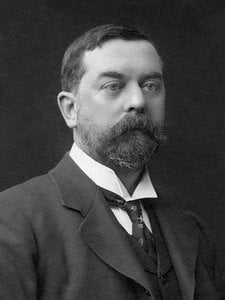
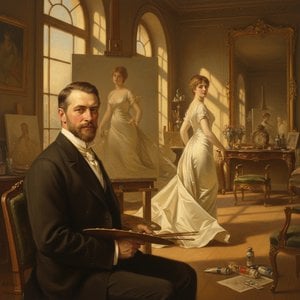
John Singer Sargent, ime sinonimno za dobu zlatnog doba i njegov sjajni portreti elegancije, bio je američki umjetnik koji je proveo veći dio svog života kultivirajući svoj rad unutar europskog svijeta umjetnosti. Rođen u Firenci, Italiji, 1856. godine, od američkih emigranata, dr. Fitzwillijama Sargenta i njegove supruge Mary Newbold Sargent, njegovo odrastanje nije bilo konvencionalno. Obiteljska nomadska egzistencija – neprestano putovanje kroz Francusku, Njemačku, Italiju i Švicarsku – u mladog Johna utisnula je kosmopolitski osjećaj i rano izlaganje umjetničkim blagovima Europe. Umjesto formalnog obrazovanja, njegovo se školovanje odvijalo unutar dvorana muzeja i drevnih crkava, potičući vizualnu pismenost koja bi duboko oblikovala njegovu umjetničku viziju. To putujuće djetinjstvo, iako bez tradicionalne strukture, pružilo je bogat gobelin kulturnih iskustava koji je potaknuo njegov razvijajući talent. Njegov otac, kirurg, i majka, amaterska umjetnica, ohrabrivali su njegove naklonosti, prepoznajući rano sposobnost njegovog iznimnog promatračkog uma. Bilo je jasno od mladosti da će njegov put ležati ne u medicini ili konvencionalnim pothvatima, već unutar svijeta umjetnosti.
Od Pariškog Ateljea do Majstora Portreta
Godine 1874., s osamnaest godina, Sargent je započeo ključnu fazu svog umjetničkog razvoja ulaskom u atelje Carolus-Durana u Parizu. Ovaj mentorat se pokazao transformativnim. Duranov naglasak na *direktnom slikanju* – tehnici koja izbjegava preliminarne skice u korist trenutne primjene boje na platno – oplemenio je njegovu već impresivnu tehničku vještinu i utisnuo u njega nevjerojatnu sposobnost hvatanja portreta brzinom i preciznošću. Bio je to revolucionarni pristup, koji potiče hrabrost i spontanost, te postao zaštitni znak Sargentova stila. On je srčano upio Duranove lekcije, savladavši umjetnost ne samo fizičke sličnosti, već i same bitki svojih portreta. Istodobno se upisao na École des Beaux-Arts, dodatno usavršavajući svoje vještine crtanja s modela po pozama i iz predložaka. Međutim, utjecaj španjolskih majstora poput Velazqueza, kojeg je otkrio tijekom ključnog putovanja u Španjolsku 1879. godine, doista je zapalio Sargentovu umjetničku maštu. Bio je očaran Velázquezovom majstorskom upotrebom svjetla, potezima kistova i psihološkim uvjerenjem – kvalitete kojima bi se nastojao odužiti tijekom svoje karijere.
Navigacija Slavom, Skandalom i Umjetničkom Evolucijom
Sargent se je brzo etablirao kao traženog portreta u Parizu, privukavši narudžbe od elite grada. Međutim, njegov uspon nije bio bez izazova. Otvorenje *Madame X* (Portret Madame Pierre Gautreau) na Salonu 1884. godine potaknuo je skandal koji je prijetio da uništi njegovu rastućom karijeru. Portret Virginie Amélie Avegno Gautreau, društvenice, s njezinim blijedim tenom, sugestivnom postavom i spuštenom trakom, bio je smatran provokativnim i skandaloznim od pariškog društva. Iako je Sargent kasnije ponovno naslikao traku, šteta je bila učinjena. Raštiman kontroverzama, preselio se u London 1886., gdje je pronašao primajuću publiku za svoj talent. U Londonu je nastavio slikati portrete bogatih i uglednih ljudi, hvatajući raskoš i društvene dinamike edwardijanskog društva neusporedivom vještinom. Međutim, Sargentove umjetničke ambicije protezale su se izvan okvira naručenih portreta. Žudio je veće kreativne slobode i sve više se posvetio slikanju pejzaža i studijama na otvorenom, prihvaćajući impresionistički stil obilježenim labavim potezima kistova, živopisnim bojama i fokusom na hvatanje prolaznih trenutaka svjetla i atmosfere. Ovi su mu pejzaži otkrili drugu stranu Sargenta – jednu koja je manje zabrinuta za društveni status i više usmjerena na ljepotu prirodnog svijeta.
Trajna Ostavština: Izvan Portreta
Iako je slavljen kao "vodeći portretist svoje generacije", umjetnička ostavština Johna Singera Sargenta proteže se daleko izvan njegovih majstorskih prikaza društvenih figura. Njegova glavna djela, poput *El Jaleo*, dinamičnog prikazanja španjolskih plesača flamenca, i *Carnation, Lily, Lily, Rose*, smirenog prikaza dvije mlade djevojke u engleskom vrtu, demonstriraju njegovu svestranost i tehničku briljantnost. Kasnije u životu poduzeo je ambiciozne projekte oslikavanja zidova, uključujući monumentalni ciklus u Boston Public Library, pokazujući svoju sposobnost prevođenja svoje umjetničke vizije na veliki ljestvicu. Njegov utjecaj može se vidjeti u djelima sljedećih generacija umjetnika koji su divili njegovoj tehničkoj vještini, hrabrim potezima kistova i njegovoj sposobnosti da uhvati kako fizičku sličnost tako i psihološku dubinu.
Utjecaji i Umjetnički Srodnici
- Carolus-Duran: Njegov učitelj, koji mu je utisnuo tehniku direktnog slikanja i poticao spontanost.
- Diego Velázquez: Sargent je duboko divio Velázquezovoj majstoriji svjetla, potezima kistova i psihološkog uvjerenja, što je posebno vidljivo u njegovim španjolskim djelima.
- Impresionizam: Naglasak impresionista na hvatanje prolaznih trenutaka i atmosferskih efekata duboko je utjecao na njegova slikanja pejzaža, što je dovelo do slobodnijeg, ekspresivnijeg stila.
- James Abbott McNeill Whistler: Sargent je s Whistlerićem dijelio interes za estetizam i potragu za "umjetnošću zbog umjetnosti", što je utjecalo na njegov pristup kompoziciji i boji.



 Pregledaj u stvarnoj veličini
 Switch to Print
 Pošalji
 Podijeli
 Detalji o umjetničkom djelu

 Preuzmi
 Slični predmeti
 Rentgenska snimka
 Automatska prezentacija
 Stats
Stats


 Prikaži više






































 Opcija stakla dostupna je samo za dimenzije manje od 110 cm