


Ručno oslikano uljanim bojama na platnu u dimenzijama i okviru po vašem izboru, izrađeno po narudžbi od strane naših umjetnika. ( Kupi print Kupi digitalnu sliku)





























Odaberite jednu od naših unaprijed definiranih veličina koje odgovaraju izvornim proporcijama umjetničkog djela.

Možete unijeti vlastite dimenzije kako bi odgovarale određenom okviru ili prostoru. Ako odabrana veličina ne odgovara proporcijama izvorne slike, izrezat ćemo umjetničko djelo ili proširiti sliku dodatnim ručno oslikanim elementima. Digitalni nacrt bit će vam poslan na odobrenje prije početka proizvodnje.
Imajte na umu da pregled na ekranu ne prikazuje stvarno izrezivanje ili proširivanje. Samo će nacrt točno prikazati konačni sastav.
Iako su dostupne prilagođene veličine, preporučujemo odabir dimenzije s preddefiniranog popisa kako bismo očuvali izvorne proporcije.
Isporuka širom svijeta () u roku od 3-4 tjedna umjesto standardnih 5 tjedana. (6 Rujan). Bez kompromisa u kvaliteti.


Dr. William White
Veličina reprodukcije
The "Dr. William White" painting, created by John Singer Sargent in 1909, stands as a testament to the artist's mastery of portraiture and his ability to capture not just likeness but also character. This oil on canvas piece, measuring 55 x 69 cm and currently residing at the University of Pennsylvania Museum, offers a compelling glimpse into the Edwardian era and the life of a prominent figure.
The painting depicts Dr. William White, a distinguished physician and philanthropist, seated with his hands gracefully crossed. His posture exudes confidence and sophistication, reflecting his position within society. The attire – a formal suit complemented by an academic robe – further emphasizes his importance and authority. Sargent’s deliberate choice to employ a subtle background allows the viewer's focus to remain squarely on Dr. White, highlighting his presence and personality. This technique is characteristic of Sargent’s style, which often prioritized the subject over elaborate surroundings, creating a sense of intimacy and directness.
Sargent’s masterful use of oil paint on canvas lends a rich texture and vibrant quality to the piece. The visible brushstrokes, though subtle, contribute to the painting's dynamism and depth. The lighting is carefully orchestrated, originating from the upper left, casting gentle shadows that define Dr. White’s features and clothing, enhancing their three-dimensionality. Sargent’s style, rooted in realism but infused with Impressionistic sensibilities, captures a sense of immediacy and life. He was renowned for his ability to render textures – the sheen of fabric, the subtle nuances of skin – with remarkable accuracy and sensitivity. This portrait exemplifies Sargent's skill in conveying not just physical appearance but also psychological depth.
Created in 1909, "Dr. William White" reflects the artistic conventions of the Edwardian era, a period characterized by formality and elegance. Portraits served as important social documents, commemorating individuals of prominence and demonstrating their status within society. Dr. White himself was a significant figure – a respected physician and a generous benefactor to the University of Pennsylvania. The academic robe he wears is symbolic of his intellectual pursuits and contributions to academia. The painting provides a window into a time of great societal change and reflects the values placed on education, philanthropy, and social standing.
Beyond its historical significance, "Dr. William White" evokes a sense of quiet dignity and respect. The subject’s composed expression and confident posture convey an air of wisdom and experience. While there's a hint of melancholy associated with age, the overall impression is one of strength and integrity. Sargent’s ability to capture these subtle nuances elevates the portrait beyond mere representation; it becomes a compelling study of character. As a leading portrait painter of his generation, John Singer Sargent left an enduring legacy, and "Dr. William White" remains a powerful example of his artistic skill and insightful understanding of human nature.


1856 - 1925 , Italija

Discover the breathtaking elegance of John Singer Sargent's masterpieces. From iconic Gilded Age portraits to impressionistic landscapes, explore the technical brilliance and timeless allure of this American master through our premium, hand-painted fine art reproductions.
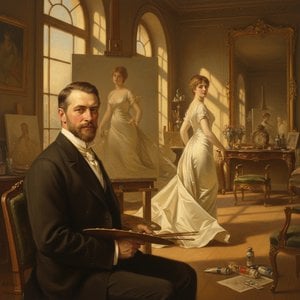
Discover the luminous mastery of John Singer Sargent. Explore an expert analysis of his legendary light, Gilded Age elegance, and technical brilliance, perfect for fine art enthusiasts seeking to bring timeless classical beauty into their modern collections.

 Pregledaj u stvarnoj veličini
 Pošalji
 Podijeli
 Detalji o umjetničkom djelu

 Preuzmi
 Slični predmeti
 Rentgenska snimka
 Automatska prezentacija

 Prikaži više







 Opcija stakla dostupna je samo za dimenzije manje od 110 cm


