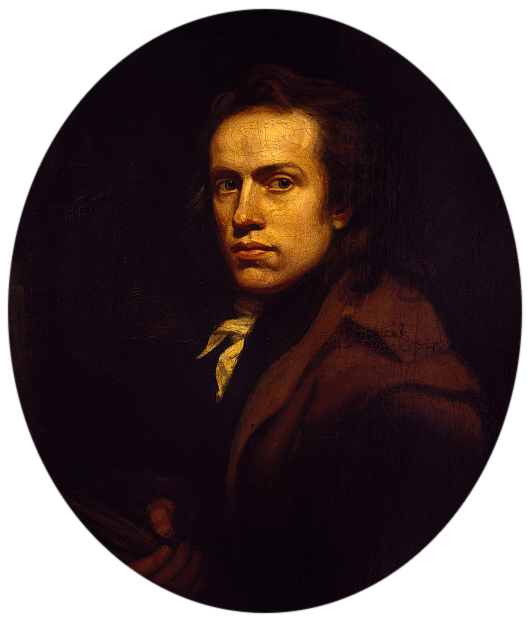
Biografija umjetnika
Usponica iz Cornwalla: Život i umjetnost Johna Opieja
John Opie, rođen 1761. godine u skromnom okruženju kolibe Harmony Cottage u Trevellasu, Cornwall, istaknuo se kao jedna od najizvanrednijih umjetničkih figura svoje generacije. Njegova priča je uvjerljiva naracija o sirovom talentu njegovanom unatoz svim preprekama, usponu sina stolar koji je postao slavni portretist i historijski slikar, član Kraljevske akademije i utjecajni glas u britanskom svijetu umjetnosti. Opiejev rani život obilježen je preranim talentom za crtanje i matematiku – dualnost koja je možda oblikovala njegov pedantni pristup kompoziciji i formi. Još kao dječak pokazivao je neovisnog duha, osnovavši večernju školu kako bi podučavao lokalnu djecu čitanju, pisanju i aritmetici, dok je istovremeno usavršavao Euklidovu geometriju. Ova žeđ za znanjem, uz umjetničku sklonost, u početku je naišla na otpor njegovog oca, koji je insistirao na stažiranju u stolarstvu. No, sudbina je intervenirala u liku dr. Johna Wolcota, poznatog kao Peter Pindar, liječnika i satiričara čije je oštro oko prepoznalo izvanredan potencijal u mladom Opieju.
Mentorstvo, London i kraljevski patronat
Wolcot je postao Opiejev zaštitnik, osiguravši mu oslobođenje iz stolaroskog stažiranja te mu pružajući neprocjenjive smjernice, potporu i ključne preporuke. Ovo mentorstvo bilo je presudno za pokretanje Opiejeve karijere. Putovali su u London 1781. godine, gdje je Wolcot lukavo predstavio Opieja kao samouki genij – „cornwallski čudo“ nepokvareno formalnim umjetničkim obrazovanjem. Ova je priča očarala londonsku umjetničku scenu, izazivajući usporedbe s maestriima poput Caravaggia i Velázqueza čak i od strane samog Sir Joshue Reynoldsa. Početni uspjeh bio je brz i blještav. Naručbe su pljosnile, uključujući portrete članova britanske kraljevske obitelji – među kojima su bili vojvoda i vojvođica Gloucester, Lady Salisbury i Mary Delany. Opiejeva rezidencija u Castle Street postala je središte modnog društva, a njegov talent privlačio je pažnju i divljenje. Međutim, partnerstvo s Wolcotom na kraju se rastalo kako je Opieja želio utvrditi svoju neovisnost, tražeći vlastiti put bez ograničenja njihovog ugovora o podjeli dobiti. Ovo razdoblje učvrstilo je Opiejevu reputaciju, utvrdivši ga kao vodećeg portretista sposobnog uhvatiti ne samo fizičku sličnost, već i karakter te društveni status svojih modela.
Izvan portretizma: Historijske slike i akademsko priznanje
Iako je prvotno slavljen zbog svojih portreta, Opie je gaji ambicije koje su nadilaazile puko bilježenje lica elite. Žudio je sudjelovati u velikim povijesnim narativima, nastojeći se utvrditi kao slikar značajnih tema. Ta je ambicija vodila do istraživanja historijske slike, što je kulminiralo djelima poput The Assassination of James I (1ms 1786.) i The Murder of Rizzio (1787.). Ovo drugo se pokazalo posebno utjecajnim, donoseći mu trenutno izbora za suradnika Kraljevske akademije te puno članstvo sljedeće godine. Ove historijske slike pokazale su rastuće majstorstvo u kompoziciji, dramatičnom osvjetljenju – često podsjećajućem na Rembrandta – te predanosti prenošenju emocionalnog intenziteta. Opiejeva posvećenost obrtu širila se izvan slikarstva; aktivno je nastojao proširiti svoje intelektualne horizonte proučavanjem latinskog jezika, francuske književnosti i sudjelovanjem u kultiviranim društvenim krugovima. Također se duboko uključio u Shakespeareovu galeriju Johna Boydella, stvarajući pet slika inspiriranih Bardovim dramama, čime je dodatno učvrstio svoje mjesto u umjetničkom etablismanu.
Naslijeđe umjetnosti i misli
Opiejev kasniji život obilježen je i profesionalnim uspjesima i osobnim izazovima. Njegov prvi brak bio je nesretan, završivši razvodom 1796. godine. Ipak, pronašao je trajnu sreću s Ameliom Alderson, penulisicom i abolicionistkinjom kojom se oženio 1798. godine. Njihovo je partnerstvo poticalo uzajamnu podršku i intelektualnu stimulaciju. Godine 1805. Opie je imenovan profesorom slikarstva na Kraljevskoj akademiji, što je svjedočilo o njegovom položaju u umjetničkom svijetu. Njegova predavanja, održana 1806. i posthumno objavljena 1809. s Amalijinim memoarima, otkrila su promišljen i artikuliran um duboko angažiran u principe umjetničkog stvaranja. Zagovarao je formiranje nacionalne galerije – vizionarsku ideju koja će napokon postati stvarnost – te je ponudio prodorne komentare o stanju britanske umjetnosti. Preuranjena smrt Johna Opieja u travnju 1807., u dobi od samo 46 godina, prekinula je obećavajuću karijeru, ali njegovo naslijeđe opstaje. Zaustavio je za sobom golem korpus djela – preko 500 portreta i 250 drugih slika – koji nudi fascinantan uvid u društveni i kulturni krajolik Britanije kasnog 18. i ranog 19. stoljeća. On ostaje značajna figura u povijesti britanske umjetnosti, slavljen zbog svoje tehničke vještine, prodorne portretne umjetnosti i doprinosa umjetničkom diskursu.



 Pregledaj u realnoj veličini
 Prebacite na printove
 Pošalji
 Podijeli
 Detalji o umjetničkom djelu
 Vodič
Vodič

 Preuzmi umjetničko djelo
 Slični predmeti
 Rentgenska snimka
 Slide show
 Statistika


 Prikaži više






































 Opcija stakla dostupna je samo za dimenzije manje od 110 cm