Biografija umjetnika
Život utkan u djetinjstvo: Svijet Johna Georgea Browna
John George Brown, ime možda ne tako poznato kao neka druga imena iz 19. stoljeća američke umjetnosti, ipak zauzima značajno i duboko emotivno mjesto u tom povijesnom razdoblju. Rođen u Durhamu, Engleskoj, 1831. godine, njegov život bio je put odlučne samopoboljšanja i oštre promatljivosti, koji je kulminirao karijerom koja je uhvatila suptilne stvarnosti – i često idealizirane osjećaje – djetinjstva u razdoblju brzih društvenih promjena. Priča Johna Georgea Browna nije samo priča o umjetničkom talentu; to je priča o ambiciji imigranta, budnom oku za detalje i mudrom razumijevanju rastućeg američkog umjetničkog tržišta. Njegov rani život obilježila je nužda, a ne privilegija. Kao četrnaestogodišnjak zaposlen u tvornici stakla, radio je kako bi pomogao svojoj obitelji, ali čak i usred zahtjevnog rada trajala je strast prema crtanju. Ta predanost dovela ga je na večernje tečajeve Škole dizajna u Newcastleu, a zatim na daljnje studije na Trustees Academy u Edinburghu – formativna iskustva koja su postavila temelje za njegova buduća umjetnička nastojanja. Godine 1853., Brown hrabro prelazi Atlantik i naseljava se u Brooklynu, New Yorku, gradu koji je trebao postati njegov dom i muza. Nastavio je svoje obrazovanje na Graham Art School i Nacionalnoj akademiji dizajna, usavršavajući vještine pod vodstvom instruktora poput Thomasa Seira Cummingsa, pripremajući se za život posvećen hvatanju suštine američkog iskustva.
Od portreta do ulica: Pronalazak glasa
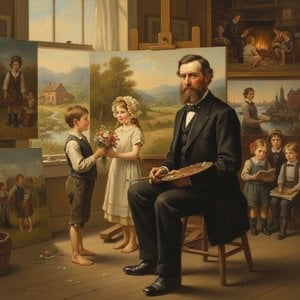
U početku se etabliravši kao portretni slikar, Brown je ubrzo otkrio da mu je prava poziv negdje drugdje – u živom, često zanemarenom svijetu svakodnevnog života. Počeo se fokusirati na žanr scene i upravo kroz prikaze ulične djece pronašao je svoj pravi glas. Šezdesete godine 19. stoljeća svjedočile su uspon Brownovih slika “uličnih skitnica”, slika koje su duboko odjeknule kod publike fascinirane – i možda istodobno potresene – stvarnošću urbanog siromaštva. To nisu bili samo sentimentalni portreti; to su bile pažljivo promatrane studije karaktera, koje su uhvatile otpornost, snalažljivost i tišnu dostojanstvo djece koja se nose s teškim okolnostima. Čistači cipela marljivo poliraju cipele, prodavači novina oglašavaju papire na užurbanim gradskim ulicama, prodavači cvijeća nude svoju robu – ove su scene postale Brownova prepoznatljiva značajka, prožete izvanrednom razinom detalja i empatije. Njegov rad nije nastao u izolaciji; bio je pod utjecajem Barbizonske škole, posebno naglaska na realizmu i prikazima svakodnevnog života, kao i dramatične upotrebe svjetla i boje koju su zagovarali umjetnici poput J.M.W. Turnera. Međutim, Brown je sintetizirao te utjecaje u jedinstveni američki stil, koji je govorio o specifičnim društvenim uvjetima i kulturnoj tjeskobi svoje usvojene domovine.
Majstor osjećaja i trgovine
Brown nije bio samo umjetnik, već i izuzetno mudar poduzetnik. Prepoznajući privlačnost svog rada, strateški je zaštitio autorska prava na mnoga svoja najpopularnija djela, omogućujući široku reprodukciju kao kromo litografije i fotografski otisci. Ovaj pametan potez dramatično je povećao njegovu slavu i financijski uspjeh, učinivši ga jednim od najbogatijih žanr slikara u Sjedinjenim Državama tijekom njegova života. Međutim, taj komercijalni uspjeh nije umanjio umjetničku vrijednost njegovog rada. Slike poput “Mrežnog ribara” i “Prvog poteza” primjer su njegove sposobnosti da uhvati trenutke tihe ljepote i emocionalne dubine. "Polaganje prava na plijen - Grupa portreta nakon lova u Adirondackima" pokazuje širi raspon, pokazujući njegovu vještinu prikazivanja grupnih scena s izvanrednim realizmom. Njegove su slike nudile više od pukog estetskog užitka; pružale su dragocjene uvide u američko društvo 19. stoljeća, posebno živote radne djece i promjenjivi urbani krajolik. Često prožete suptilnim moralnim nijansama, Brownov rad odražavao je njegovu vjeru u važnost rada, poštenja i otpornosti – vrijednosti koje su duboko rezonirale s viktorijanskom publikom.
Pomak fokusa: Od mladosti do starosti
Kako je Brown sazrijevao kao umjetnik, tako se mijenjala i njegova tematika. U kasnijim godinama prebacio je fokus sa prikazivanja energije i vitalnosti djetinjstva na portretiranje tihe dostojanstva i samoće u starosti. Te su slike često sadržavale starije ljude u ruralnim okolinama, evocirajući osjećaj nostalgije za jednostavnijom prošlošću. Iako se ovaj pomak mogao činiti dramatičnim, bio je to prirodan napredak za umjetnika duboko zabrinutog zbog hvatanja ljudske prirode u svim njezinim složenostima. Nastavio je biti aktivan član raznih umjetničkih institucija, služeći kao potpredsjednik Nacionalne akademije dizajna od 1899. do 1904., pokazujući njegovu stalnu predanost umjetničkoj zajednici. Njegova kasnija djela, iako različita u tematici, zadržala su pedantnu pažnju na detalje i emocionalnu osjetljivost koja je karakterizirala njegova ranija djela.
Trajno nasljeđe: Odjeci djetinjstva
John George Brown umro je 1913. godine u New Yorku, ostavivši iza sebe značajan opus koji nastavlja očaravati i dirati publiku danas. Njegove se slike čuvaju u prestižnim zbirkama diljem svijeta, uključujući Nacionalnu galeriju u Londonu i Institut za umjetnost u Detroitu, svjedočanstvo o njegovom trajnom umjetničkom značaju. Pamti ga se ne samo po tehničkoj vještini, već i po sposobnosti da uhvati suštinu određenog vremena i mjesta – viktorijanske Amerike – s iskrenošću, empatijom i daškom romantizma. Njegov rad služi kao potresan podsjetnik na izazove s kojima se suočavala djeca u 19. stoljeću, istovremeno slaveći njihovu otpornost i duh. Brownovo nasljeđe proteže se dalje od njegovih slika; on predstavlja fascinantnu presjek umjetničkog talenta, poduzetničke spretnosti i društvene kritike – pravog kroničara američkog života. Njegova sposobnost da svakodnevne scene pretvori u trajna umjetnička djela osigurava da će njegova vizija nastaviti odjekivati generacijama koje dolaze.



 Pregledaj u stvarnoj veličini
 Prebacite na print
 Pošalji
 Podijeli
 Detalji o umjetničkom djelu

 Preuzmi
 Slični predmeti
 Rentgenska snimka
 Automatska prezentacija
 Statistika


 Prikaži više






































 Opcija stakla dostupna je samo za dimenzije manje od 110 cm