Biografija umjetnika
Život Ukorijenjen u Engleskoj Krajoliku
John Constable, rođen 1776. godine u idiličnom suffolkškom selu East Bergholt, nije bio samo slikar krajolika; bio je pjesnik zemlje, prevodeći njene suptilne raspoloženje i trajne ljepote na platno s bez presedana emocionalnom dubinom. Njegov otac, prosperitetni trgovac žitom koji je posjedovao Dedham Vale i mljane uz rijeku Stour, pružio mu nije samo financijsku sigurnost, već i samu temu koja bi definirala umjetnički život Constabla. Ovo rano uranjanje u ruralni svijet – polagan ritam poljoprivrednog života, stalno mijenjajuće svjetlo na poljima i vodi, intimne detalje prirode – postalo je neizbrisivo utisnut u njegovu osjetljivost. Iako je prvotno bio namijenjen da slijedi oca u poslu, rastuća strast za umjetnošću, kojom su ga hranili lokalni zaštitnici poput Georgea Beaumonta koji ga je upoznao s djelima Claudea Lorraina, na kraju ga je usmjerila prema drugačijem putu. Umjetnički put Constabla nije bio neposredan; to je bilo postepeno razvijanje, oblikovano pažljivim promatranjem i stalnom željom da uhvati ne samo *što* je vidio, već i *kako* se osjećao prisutan unutar krajolika.
Odbijajući Konvencije: Nova Vizija Prirode
Umjetnički razvoj Constabla obilježen je svjesnim odbacivanjem uobičajenih akademskih konvencija. Računajući na idealizirane i često teatralne krajolike koje su preferirale Kraljevsku akademiju, on je tražio istinsko predstavljanje prirode, prožeto osobnim osjećajem. Nije bio zainteresiran za grandiozne povijesne narative ili mitološke scene; njegov se fokus ostao staložen na poznatoj okolici. Ova predanost prikazivanju običnih subjekata – kolica s sijena, farme zgrade, seoski život – prvotno je dočekana otporom kritičara koji su njegovo djelo smatrali premalo uobičajenim i bez ambicije. Međutim, Constable je bio uporan, vođen uvjerenjem da ljepota leži u svakodnevnom životu. Pionirski se oslonio na tehniku slikanja *plein air*, izlazeći van kako bi direktno promatrao i uhvatio prolazne efekte svjetla i vremena. Ovaj izravni angažman s prirodom omogućio mu je da njegovim platnima udahne neposrednost i vitalnost koja do tada nije viđena u britanskoj umjetnosti krajolika. Njegov potez kistom postao je sve slobodniji i ekspresivniji, koristeći impasto – guste slojeve boje – kako bi stvorio teksturu i prenijeli osjećaj pokreta i atmosfere. On nije samo zabilježavao ono što je vidio; prevodio je svoj emocionalni odgovor na zemlju u vizualni oblik.
Ikonična Djela i Trajni Utjecaj
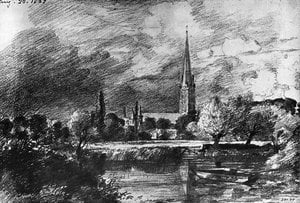
Constableova najpoznatija djela svjedoče o njegovoj jedinstvenoj viziji. The Hay Wain (1821.), možda njegova prepoznatljivija slika, prikazuje tipičnu ruralnu scenu na rijeci Stour, hvatajući spokoj i harmoniju poljoprivrednog života. Hadleigh Castle (1829.) demonstrira njegovu dramatičnu upotrebu svjetla i atmosferskih efekata, pretvarajući urušeni dvorac u snažan simbol prolaska vremena. Serija slika koje prikazuju Salisbury Cathedral from the Meadows (1831.) pokazuje njegovu sposobnost da evocira različita raspoloženja i doba dana, otkrivajući katedralu kao integralni dio prirodnog krajolika. Netley Abbey (1824.), sa svojim sugestivnim prikazom arhitektonske veličine usred prirode koja se širi, primjeri su njegove vještine u spajanju ljudskog stvaralaštva s divljom ljepotom zemlje. Unatoč početnim potešajima za priznanje u Engleskoj, Constable je postigao značajnu slavu u Francuskoj, gdje su njegove inovativne tehnike i emocionalna dubina rezonirale s umjetnicima koji su tražili prirodniji pristup slikanju krajolika. Duboko je utjecao na školu Barbizon, skupinu francuskih slikara koji su dijelili njegovu predanost *plein air* slikanju i izravnom promatranju prirode.
Nasljeđe Emocionalne Rezonancije
Povijesni značaj Johna Constabla leži ne samo u njegovim umjetničkim inovacijama, već i u njegovom dubokom utjecaju na razvoj slikanja krajolika. On je osporio akademske konvencije, podigao status običnih subjekata i prokrčio put prema osobnijem i emocionalno ekspresivnijem pristupu umjetnosti. Njegov naglasak na izravnom promatranju, atmosferskim efektima i istinitom predstavljanju prirode najavio je mnoge brige kasnijih impresionističkih slikara. Pokazao je da krajolik može biti sredstvo za duboku emocionalnu ekspresiju, sposoban evocirati osjećaje nostalgije, mira i strahopoštovanja. Iako se tijekom većeg dijela svoje karijere suočavao s financijskim potešajima, umro je relativno mlad 1837. godine, a iza sebe je ostavio bogato umjetničko nasljeđe – svjedočanstvo njegove neumorne predanosti hvatanju ljepote i emocionalne rezonancije engleske zemlje. Njegova djela i dalje služe kao bolno podsjetnik na duboku vezu između čovječnosti i prirodnog svijeta te transformativni potencijal umjetnosti da uhvati njenu bit.
Osobni Život i Posljednje Godine
Constableov osobni život obilježen je i radošću i tugom. Oženio se Marijom Bicknell 1816. godine, a imali su sedmero djece, iako ih je nažalost nekoliko nije doživjelo djetinjstvo. Njegov brak mu je pružio emocionalnu podršku, ali i financijski teret. Izabran za Kraljevskog akademika 1829., nastavio se suočavati s kritikama iz nekih krugova, posebno u vezi sa svojim nekonvencionalnim tehnikama. Njegove posljednje godine bile su zasjenjene slabljenjem zdravlja Marije i njezinom konačnom smrću 1828., što ga je duboko pogodilo. Unatoč tim potešajima, Constable se nastavio posvetiti svojoj umjetnosti, slikajući sve do svoje smrti 31. ožujka 1837. Iza sebe je ostavio bogato umjetničko nasljeđe – svjedočanstvo njegove neumorne predanosti hvatanju ljepote i emocionalne rezonancije engleske zemlje. Njegove slike i dalje su snažne evocacije davno prošlog vremena, pozivajući gledatelje da dožive krajolik njegovim jedinstveno osjetljivim očima.



 Pregledaj u stvarnoj veličini
 Prebacite na print
 Pošalji
 Podijeli
 Detalji o umjetničkom djelu

 Preuzmi
 Slični predmeti
 Rentgenska snimka
 Automatska prezentacija
 Statistika


 Prikaži više






































 Opcija stakla dostupna je samo za dimenzije manje od 110 cm