Pregledaj u stvarnoj veličini Isprobaj u AR-u Naručite ručno oslikano reprodukciju Prebacite na digitalnu prodaju slika Podijeli
Detalji Vodič Dodaj u omiljene Preuzmi datoteku Slični predmeti Rentgenska snimka Slide show Statistika

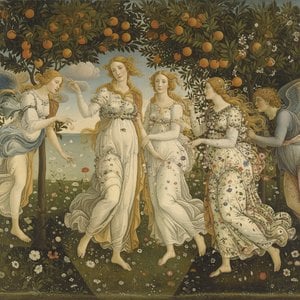
The Three Graces

Admire Jean-Baptiste Regnault's 'The Three Graces,' a stunning Neoclassical painting capturing beauty, joy, and harmony. A timeless masterpiece from 1797, showcasing elegant figures in a serene setting.

Jean-Baptiste Regnault (1754-1829) was a prominent French Neoclassical painter known for historical allegories, mythological scenes & portraits. A rival to David, his vibrant style influenced Guérin & Lorimier. Explore masterpieces like 'The Educatio

Giclée / Umjetnički otisak

Giclée tisak muzejske kvalitete ili otisak na platnu uz brzu proizvodnju i fleksibilne opcije završne obrade. ( Naručite ručno oslikano reprodukciju Prebacite na digitalnu prodaju slika)

P118B $10
P118H $10
P118W $10
P438Z $10
P508JH $12
P508YH $12
P805H $10
P805Z $10
P919BZ $10
P919G $10
P919XJ $10
P959ZH $10
P968JZ $12
W106C $8
W218G $10
W218JH $8
W218Y $10
W307PJ $10
W316G $10
W316PJ $8
W316Y $10
W398PJ $8
W4111J $10
W500HY $15
W500JH $15
W692G $12
W849H $8
W940BG $15
W953PJ $8

Standardne dimenzije
prilagođeno po mjeri
CM
INCH

Odaberite jednu od naših unaprijed definiranih veličina koje odgovaraju izvornim proporcijama umjetničkog djela.

širina
visina

Možete unijeti vlastite dimenzije kako biste umjetničko djelo prilagodili specifičnom okviru ili prostoru. Ako odabrana veličina ne odgovara proporcijama izvornog rada, izrezat ćemo dio slike ili je proširiti pomoću ogledalnog efekta ili jednobojne rubne površine. Digitalni prikaz (mockup) bit će vam poslan na odobrenje prije početka proizvodnje.
Imajte na umu da pregled na zaslonu ne odražava stvarno izrezivanje ili proširivanje. Samo će mockup točno prikazati konačnu kompoziciju.
Iako su dostupne prilagođene veličine, preporučujemo odabir dimenzije iz unaprijed definirane liste kako biste očuvali izvorne proporcije.

Dostava širom svijeta () u roku od 2 tjedna umjesto standardnih 4/5 tjedana. (24 Rujan)

why_choose_icon
Besplatna ekspresna dostava širom svijeta
why_choose_icon
Visokokvalitetno laneno platno
why_choose_icon
Potpuno osiguranje transporta
why_choose_icon
Jamstvo povrata carine i uvoznih poreza
why_choose_icon
Jamstvo vjernosti boja
why_choose_icon
Politika povrata u roku od 100 dana (samo u slučaju nedostataka)
why_choose_icon
Jamstvo povrata 100% novca
why_choose_icon
Popust na više proizvoda

Ukupna cijena

$ 68

reproduction

The Three Graces

Giclée / Umjetnički otisak

Veličina reprodukcije

-

Ukupna cijena

$ 68

Brzi pregled

  • Movement: Neoclassical
  • Notable elements: Mythological figures
  • Dimensions: 204 x 153 cm
  • Artist: Jean Baptiste Regnault
  • Title: The Three Graces
  • Influences: Gainsborough
  • Location: Louvre Museum, Paris

Kviz o umjetnosti

Svako pitanje ima samo jedan točan odgovor.

Pitanje 1:
What is the primary subject depicted in Jean-Baptiste-Charles Baron Regnault’s ‘The Three Graces’?
Pitanje 2:
In what year was ‘The Three Graces’ painted?
Pitanje 3:
Which artistic movement is most closely associated with ‘The Three Graces’?
Pitanje 4:
What material was primarily used to create ‘The Three Graces’?
Pitanje 5:
The painting includes benches in the background. What do these benches suggest about the scene’s setting?

Jean-Baptiste Regnault’s “The Three Graces”: A Dance of Beauty and Myth

“The Three Graces,” painted in 1793 by Jean-Baptiste Régnault, is more than just a depiction of three beautiful women; it's an embodiment of Neoclassical ideals, a celebration of harmony, and a poignant reflection on the fleeting nature of beauty itself. Régnault, a student and later assistant to the renowned Thomas Gainsborough, masterfully captures the essence of the Greek mythos – the Charites, goddesses representing joy, elegance, and youthful charm – within a meticulously rendered landscape setting. The painting immediately draws the eye with its serene composition and the ethereal quality of the figures, bathed in soft, diffused light that seems to emanate from an unseen source.

The scene unfolds in what appears to be a tranquil garden or meadow, subtly suggested by the distant presence of two benches – a detail that invites the viewer to imagine a leisurely gathering, a moment of quiet contemplation. The women are positioned in a graceful, flowing arrangement, their bodies intertwined yet distinct, each radiating an individual aura of grace and serenity. Régnault’s skill lies not merely in his ability to capture physical beauty but also in conveying a sense of inner harmony and balance. Their poses are reminiscent of classical sculptures, echoing the ideals of proportion and symmetry that defined Neoclassical art.

A Symphony of Light and Color

Régnault’s technique is characterized by a remarkable command of light and shadow – a hallmark of his apprenticeship with Gainsborough. He employs a delicate sfumato effect, blurring the edges of the figures to create an atmosphere of softness and dreaminess. The colors are muted yet luminous, dominated by pale blues, greens, and creams, which contribute to the painting’s overall sense of tranquility. The artist skillfully uses light to sculpt the forms of the women, highlighting their curves and creating a palpable sense of volume. Notice how the light catches the folds of their drapery, adding depth and texture to the scene.

The choice of palette is particularly significant. The muted tones evoke a sense of timelessness and classical elegance, aligning with the Neoclassical movement’s fascination with antiquity. Furthermore, the subtle variations in color – from the blush of their skin to the delicate shades of their garments – create a harmonious visual experience that delights the eye.

Symbolism and Mythological Resonance

The Three Graces hold profound symbolic significance within Greek mythology. They represent not only beauty and grace but also joy, pleasure, and the essence of human flourishing. In this painting, Régnault elevates them to an almost divine status, portraying them as embodiments of ideal feminine virtues. The inclusion of the benches suggests a connection to earthly pleasures – a celebration of life’s simple joys enjoyed in the company of beauty and friendship.

The painting's historical context is crucial to understanding its deeper meaning. Created during the late 18th century, “The Three Graces” reflects the Neoclassical revival—a movement that sought to emulate the art and values of ancient Greece and Rome. This period was marked by a renewed interest in classical ideals of beauty, reason, and civic virtue, and Régnault’s painting perfectly embodies these aspirations.

A Timeless Masterpiece

“The Three Graces” is more than just a beautiful painting; it's a testament to the enduring power of art. Régnault’s masterful technique, combined with his profound understanding of classical mythology and symbolism, creates an image that continues to captivate viewers centuries later. The painting’s serene beauty, its harmonious composition, and its evocative atmosphere invite us to contemplate the nature of beauty, pleasure, and the human condition. It remains a poignant reminder of the timeless appeal of Neoclassical art and Régnault's place as a significant, yet often overlooked, figure in British artistic history.


Biografija umjetnika

The Grandeur of Neoclassicism: The Life and Legacy of Jean-Baptiste Regnault

In the vibrant and turbulent landscape of late 18th-century French art, few figures commanded as much respect for their technical precision and classical grace as Jean-Baptiste Baron Regnault. Born in 1754, Regnault emerged during an era defined by a profound longing for the ideals of antiquity. While history often casts a spotlight on his contemporary and rival, Jacques-Louis David, Regnault carved out a distinct and luminous space within the Neoclassical movement. His work was not merely a reaction to the excesses of the Rococo, but a deliberate, poetic pursuit of harmony, balance, and the eternal beauty found in mythological and historical narratives.

Regnault’s artistic journey was one of rigorous discipline and academic excellence. His mastery of the human form and his ability to imbue flesh with a soft, ethereal glow were products of intense study. He navigated the prestigious corridors of the French art world, earning accolades that solidified his status among the elite. This period of his life was marked by a deep engagement with the classical tradition, drawing inspiration from the sculptural perfection of ancient Greece and Rome. His training allowed him to move beyond simple imitation, enabling him to infuse his compositions with a sense of movement and emotional resonance that felt both timeless and immediate.

A Mastery of Myth and Emotion

The true essence of Regnault’s genius lies in his ability to transform static mythological subjects into breathing, emotive dramas. He possessed a rare talent for capturing the tension between the divine and the mortal. In works such as La Mort d'Adonis, one can witness his profound command over the themes of mortality and beauty. The painting serves as a poignant study in tragedy, where the exquisite detail of the figures contrasts sharply with the heavy, somber atmosphere of loss. Regnault did not merely paint scenes; he staged emotional experiences, using light and shadow to guide the viewer through the psychological depths of his characters.

His repertoire was equally diverse, ranging from the intensely spiritual to the intellectually provocative. In The Descent from the Cross, Regnault utilizes a more dramatic, almost Baroque-inspired intensity to convey the profound grief and religious fervor of the scene. Here, the weight of the body and the visceral reality of the moment are rendered with a realism that commands reverence. Conversely, in works like Socrate Arrachant Alcibiade du Sein de la Volupté, he explores the intellectual struggles of the classical age. This piece showcases his ability to depict philosophical conflict through the interplay of light and shadow, illustrating the struggle between reason and temptation with masterful composition.

Historical Significance and Artistic Influence

Regnault’s importance extends far beyond his individual canvases; he was a pivotal figure in the evolution of French academic painting. As a teacher and a prominent member of the artistic community, his influence rippled through the next generation of painters, including artists like Guérin and Lorimier. His style—characterized by a certain softness and a more lyrical approach to Neoclassicism compared to David’s starker, more rigid compositions—offered an alternative vision of classical beauty that appealed to a wide range of sensibilities.

To understand the breadth of his contribution, one might consider the following pillars of his career:

  • Technical Virtuosity: His unparalleled ability to render anatomical accuracy and delicate textures, particularly in skin and drapery.
  • Narrative Depth: The capacity to weave complex allegorical meanings into historical and mythological scenes, making them accessible yet profound.
  • Stylistic Versatility: A unique blend of Neoclassical order with a more fluid, emotive sensibility that bridged the gap between different artistic eras.
  • Academic Legacy: His role in shaping the aesthetic standards of the French Academy and influencing the trajectory of 19th-century European art.

Though the tides of art history eventually shifted toward Romanticism and beyond, the works of Jean-Baptiste Regnault remain enduring testaments to an era of unparalleled elegance. His paintings continue to captivate modern audiences, offering a window into a world where the pursuit of perfection, the exploration of myth, and the celebration of human emotion were harmoniously intertwined.

Brzi pregled

  • Artistic Movement Or Style: Landscape painting
  • Artists Or Movements Influenced By This Artist: ["Gainsborough's manner"]
  • Artists Who Influenced This Artist: ['Thomas Gainsborough']
  • Date Of Birth: 1754
  • Date Of Death: 1797
  • Full Name: Gainsborough Dupont
  • Nationality: British
  • Notable Artworks:
    • Wooded Landscape
    • Riders and Packhorses
  • Place Of Birth: Sudbury, Suffolk