BESPLATNE UMJETNIČKE KONSULTACIJE

x
Kupi otisak Kupi otisakKupi digitalnu sliku Kupi digitalnu sliku PošaljiPošalji
DetailsDetails Dodaj u omiljene Dodaj u omiljene PreuzmiPreuzmi Slični predmetiSlični predmeti X-RayX-Ray Automatska prezentacijaAutomatska prezentacija

Pride (sketch)

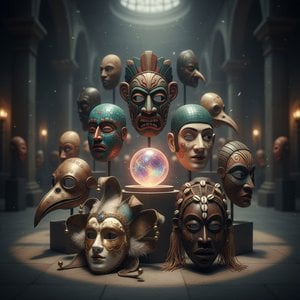
James Ensor's "Pride" (sketch) captures a haunting scene of masked figures and birds, reflecting the artist’s exploration of social commentary and psychological depth. A unique glimpse into his unsettling artistic vision.

James Ensor bio je belgijski ekspresionista i surrealista poznat po svojim uznemirujućim djelima koje prikazuju maske, karneval i kostiju, promičući inovativnu umjetničku estetiku i izazivajući kritički pogled na društvo.

Ručno rađena uljana reprodukcija

Ručno oslikano uljanim bojama na platnu u dimenzijama i okviru po vašem izboru, izrađeno po narudžbi od strane naših umjetnika.

P118B $10
P118H $10
P118W $10
P438Z $10
P508JH $12
P508YH $12
P805H $10
P805Z $10
P919BZ $10
P919G $10
P919XJ $10
P959ZH $10
P968JZ $12
W106C $8
W218G $10
W218JH $8
W218Y $10
W307PJ $10
W316G $10
W316PJ $8
W316Y $10
W398PJ $8
W4111J $10
W500HY $15
W500JH $15
W692G $12
W849H $8
W940BG $15
W953PJ $8

Standard
custom
CM
INCH

Odaberite jednu od naših unaprijed definiranih veličina koje odgovaraju izvornim proporcijama umjetničkog djela.

širina
visina

Možete unijeti vlastite dimenzije kako bi odgovarale određenom okviru ili prostoru. Ako odabrana veličina ne odgovara proporcijama izvorne slike, izrezat ćemo umjetničko djelo ili proširiti sliku dodatnim ručno oslikanim elementima. Digitalni nacrt bit će vam poslan na odobrenje prije početka proizvodnje.
Imajte na umu da pregled na ekranu ne prikazuje stvarno izrezivanje ili proširivanje. Samo će nacrt točno prikazati konačni sastav.
Iako su dostupne prilagođene veličine, preporučujemo odabir dimenzije s preddefiniranog popisa kako bismo očuvali izvorne proporcije.

Primjeri mogućnosti prilagodbe: Zamijenite lice fotografijom klijenta; Dodajte ljubimca (npr. zamijenite mačku psom); Uključite skrivenu poruku u pozadinu; Promijenite pejzaž ili elemente pozadine.
Nakon narudžbe, tim WahooArt.com kontaktirat će klijenta putem e-pošte radi dobivanja uputa te dostaviti probni prikaz (mockup).

Isporuka širom svijeta () u roku od 3-4 tjedna umjesto standardnih 5 tjedana. (2 Srpanj). Bez kompromisa u kvaliteti.

why_choose_icon
Besplatna ekspresna dostava širom svijeta
why_choose_icon
Visokokvalitetno laneno platno
why_choose_icon
Potpuno osiguranje dostave
why_choose_icon
Jamstvo povrata carine i uvoznih poreza
why_choose_icon
Garancija vjernog podudaranja boja
why_choose_icon
Politika povrata u roku od 60 dana (samo u slučaju nedostataka)
why_choose_icon
Jamstvo povrata 100% novca
why_choose_icon
Popust na više proizvoda

Ukupna cijena

-

reproduction

Pride (sketch)

Tehnika reprodukcije

Veličina reprodukcije

-

Ukupna cijena

-

Osnovne informacije

  • Artistic style: Expressionism
  • Medium: Sketch
  • Influences: Carnival masks
  • Title: Pride (sketch)
  • Artist: James Ensor

Kviz o umjetnosti

Svako pitanje ima samo jedan točan odgovor.

Pitanje 1:
What is the primary subject depicted in James Ensor’s ‘Pride (sketch)’?
Pitanje 2:
The sketch prominently features birds. What is the most likely symbolic meaning of these birds?
Pitanje 3:
James Ensor is known for his work in which artistic movements?

Opis umjetničkog djela

The Unsettling Gaze of “Pride”

James Ensor’s “Pride,” a preliminary sketch from his ambitious “Deadly Sins” series, isn't merely a depiction of a gathering; it’s a carefully constructed tableau brimming with psychological tension and veiled social critique. The black-and-white photograph captures the raw energy of an early iteration – a glimpse into Ensor’s creative process before the final, more polished etchings emerged. The scene unfolds within a dimly lit interior, dominated by a central figure—a man standing apart from the throng of formally dressed individuals surrounding him. This isolation immediately draws our attention, suggesting a sense of judgment or perhaps even alienation. The figures themselves are rendered with an unsettling directness; their faces largely obscured by masks – not literal theatrical disguises, but symbolic representations of hidden identities and societal facades.

Ensor’s masterful use of line and shadow creates a palpable atmosphere of unease. Notice the sharp angles of the architecture, the exaggerated proportions of the figures, and the unsettling arrangement of birds scattered throughout the composition. These avian elements aren't simply decorative; they contribute to the overall sense of chaos and disruption, hinting at anxieties about morality and the intrusion of the natural world into a structured social environment. The sketch’s immediacy—the visible pencil strokes, the smudges of charcoal—underscores Ensor’s deliberate rejection of academic formality, aligning him with the burgeoning Expressionist movement that would soon challenge traditional artistic conventions.

A Portrait of Victorian Society – and its Discontents

Created in 1904, “Pride” is deeply rooted within the social anxieties of late Victorian England. Ensor was a keen observer of his native Ostend, Belgium, and he frequently used his art to expose the hypocrisy and superficiality of bourgeois society. The meticulously dressed men – their suits, ties, and carefully constructed postures – represent the rigid expectations and constraints imposed upon individuals by societal norms. The sketch’s title itself, “Pride,” is a deliberate provocation, suggesting that this gathering isn't about genuine connection or celebration but rather an exercise in outward appearances and self-importance. The birds, often associated with freedom and instinct, seem to be mocking the rigid formality of the scene, further emphasizing the disconnect between appearance and reality.

Considering Ensor’s broader body of work, particularly his “Deadly Sins” series, "Pride" can be interpreted as a commentary on vanity, greed, and envy – vices that were considered central to Victorian morality. The sketch's stark monochrome palette amplifies the sense of moral judgment, stripping away any potential distractions and focusing our attention on the underlying tensions within the scene. It’s a powerful reminder that beneath the veneer of respectability often lurks a darker, more unsettling truth.

Technique and Artistic Innovation

Ensor's technique in this sketch is remarkably expressive, anticipating the bold graphic style he would later develop in his etchings. He employs a rapid, gestural approach, utilizing loose lines and varying pressures to create a dynamic sense of movement and emotion. The use of charcoal allows for a rich range of tonal values, contributing to the dramatic lighting effects within the composition. Notably, this sketch served as a preliminary study for the final, more elaborate etchings in the “Deadly Sins” portfolio, demonstrating Ensor’s iterative process – constantly refining his ideas and experimenting with different approaches before committing them to paper.

The influence of Symbolism is evident in Ensor's use of symbolism and his interest in exploring psychological states. He was deeply influenced by the works of Gustave Moreau and Odilon Redon, both prominent figures within the Symbolist movement. However, unlike many of his contemporaries, Ensor pushed beyond purely decorative symbolism, imbuing his work with a distinctly unsettling and often grotesque quality. “Pride” exemplifies this approach – it’s not simply a representation of a scene but an exploration of human nature and its darker impulses.

A Timeless Reflection on Human Nature

“Pride,” in its raw sketch form, offers a profound insight into the artist's vision and his enduring fascination with the complexities of human behavior. It’s a work that continues to resonate today, prompting us to question our own assumptions about social appearances, moral values, and the masks we wear in everyday life. WahooArt is proud to offer high-quality reproductions of this captivating sketch, allowing you to experience Ensor's unsettling genius firsthand. Whether displayed as a statement piece in your home or studied for its historical significance, “Pride” remains a powerful testament to the enduring legacy of James Ensor.


Biografija umjetnika

James Ensor (1860-1949): A Pioneer of Expressionism & Surrealism

James Sidney Edouard Ensor, Baron Ensor (Ostend, 13 April 1860 – 19 November 1949) was a Belgian painter and printmaker who stands as one of the most influential figures in the development of Expressionism and Surrealism. Born into an English father and Belgian mother—a duality that profoundly shaped his artistic worldview—Ensor defied convention from the outset, rejecting academic formalism for a bold exploration of psychological depth and grotesque imagery.

Early Influences & Artistic Training

His formative years were marked by exposure to the vibrant atmosphere of Ostend’s seaside resort town, where his parents operated a souvenir shop brimming with curiosities—a veritable cabinet of wonders that ignited his imagination. From 1876 until 1880 he studied at the Académie Royale des Beaux-Arts in Brussels, alongside fellow students like Fernand Khnopff and Theo Van Rysselberghe, where Jean Portales instilled in him a commitment to artistic innovation.

A Shift Towards Grotesque Vision & Expressionist Style

Ensor’s early paintings reflected a more traditional approach, depicting scenes of everyday life rendered in somber tones. However, he swiftly abandoned these conventions as he embraced the expressive qualities of light, line, and color—a decisive move toward Expressionism. Influenced by Rembrandt, Goya, and Japanese woodcuts, Ensor developed a distinctive iconography characterized by unsettling juxtapositions and symbolic references to death and decay.

Key Masterpieces & Recurring Themes

His most celebrated works – including *Christ’s Entry into Brussels* (1888-1889), *The Scandalized Masks* (1883) and *Skeletons Fighting over a Hanged Man* (1891) – exemplify his unwavering commitment to confronting uncomfortable truths and exploring the darkest recesses of human psychology. These paintings are not merely aesthetically striking; they serve as powerful critiques of societal norms, religious hypocrisy, and the absurdity of existence.

Legacy & Influence

James Ensor’s artistic legacy extends far beyond his own lifetime. He is recognized as a pivotal catalyst in the transition from Symbolism to Expressionism and Surrealism—a true pioneer who challenged artistic conventions and paved the way for future generations of artists. His fearless exploration of the subconscious, combined with his masterful use of grotesque imagery and symbolic language, continues to inspire artists today.

James Ensor

James Ensor

1860 - 1949 , België

Osnovne informacije

  • Artistic Movement Or Style: Expressionism, Surrealism
  • Artists Who Influenced This Artist:
    • Bruegel the Elder
    • Francisco Goya
    • Whistler
  • Date Of Birth: April 13, 1860
  • Date Of Death: November 19, 1949
  • Full Name: James Sidney Edouard Ensor
  • Nationality: Belgian
  • Notable Artworks:
    • The Scandalized Masks
    • Skeletons Fighting...
    • Christ's Entry into Brussels
  • Place Of Birth: Ostend, Belgium
Istražite umjetnička djela organizirana prema temama, stilovima i karakteristikama.