

Giclée tisak muzejske kvalitete ili otisak na platnu uz brzu izradu i raznolike opcije završne obrade. ( Kupi ručno oslikano djelo Prebacite na digitalnu sliku)
Odaberite jednu od naših unaprijed definiranih veličina koje odgovaraju izvornim proporcijama umjetničkog djela.

Unesite potrebnu širinu i visinu kako bi odgovarali vašem okviru ili zidu. Print se može samo izrezati, nikada ne može biti veći od slike, stoga format s drugačijim omjerom stranica uzrokuje gubitak dijela slike. Prije bilo kakve štampe šaljemo vam digitalni prikaz (mockup) na odobrenje. Slika prikazana na ovoj stranici ne prikazuje stvarni rez — to prikazuje isključivo digitalni prikaz.
Dostava širom svijeta () u roku od 2 tjedna umjesto standardnih 4/5 tjedana. (17 Studeni)
Ensor at his Easel
Veličina reprodukcije
James Ensor (1860–1949), a Belgian painter who irrevocably altered the course of Expressionism, remains an artist whose work continues to provoke contemplation and fascination. “Ensor at His Easel,” completed in 1886, exemplifies his distinctive approach—a masterful blend of observation and psychological insight—that distinguishes him from many of his contemporaries.
The painting depicts Ensor himself seated before an easel, illuminated by a warm afternoon sun, alongside a canvas bearing the unmistakable imprint of his artistic endeavors. This seemingly simple composition belies a profound depth of meaning, reflecting Ensor’s preoccupation with themes of mortality and artistic creation—themes that permeate much of his oeuvre.
Ensor's style is undeniably Expressionist, prioritizing emotional intensity over realistic representation. Thick brushstrokes dominate the canvas, conveying a palpable sense of movement and energy. The artist employs bold colors—primarily reds, yellows, and oranges—to heighten the dramatic effect, mirroring the turbulent inner landscape he sought to capture.
Technically proficient, Ensor utilized oil paints on canvas with meticulous attention to detail. However, his primary aim wasn’t merely accurate depiction; it was to communicate feeling directly to the viewer. The layering of paint creates a textured surface that contributes to the painting's unsettling atmosphere—a deliberate choice designed to unsettle and provoke.
Created during the late 1880s, “Ensor at His Easel” aligns perfectly with the burgeoning Expressionist movement. Artists like Edvard Munch and Vincent van Gogh were similarly driven by a desire to express inner turmoil and confront existential anxieties—a reaction against the prevailing optimism of Impressionism.
Furthermore, Ensor’s work echoes the influence of Paul Cézanne, who championed “art for art’s sake,” rejecting academic conventions in favor of pursuing artistic truth through innovative formal experimentation. Like Cézanne, Ensor prioritized conveying emotion over adhering to traditional aesthetic standards.
The painting is laden with symbolic significance. The artist’s gaze—direct yet melancholic—suggests a confrontation with his own mortality. Alongside the easel and canvas, Ensor included a book, symbolizing knowledge and contemplation—elements that underscore the importance of artistic introspection.
As seen in other portraits by Ensor, such as “Ensor with Masks,” he frequently depicted himself wearing masks—a recurring motif reflecting his fascination with concealment and illusion. This visual language reinforces the painting’s overarching theme: a portrayal of an artist grappling with the anxieties inherent in confronting existence itself.
James Ensor’s artistic vision continues to resonate today, inspiring artists and collectors alike. His unflinching exploration of psychological complexity—coupled with his masterful technique—solidifies his position as one of the most influential figures in Belgian art history.
"Ensor at his Easel" odiše Melancholic emocionalnim tonom unutar pokreta Expressionism.
Preporučena veličina tiska za "Ensor at his Easel" autora James Ensor je Large.
Što se tiče autorskih prava, "Ensor at his Easel" je u u javnom vlasništvu – autorska prava su istekla.

James Ensor rođen je 13. travnja 1860. godine u Ostendu, u Belgiji. Njegov identitet oblikirao je specifičan kulturni presjek: njegov je otac, James Frederic Ensor, rođen u Bruxellesu od engleskih roditelja, dok je majka, Maria Catherina Haegheman, bila Belgica. To dvostruko podrijetlo pružilo je temelj za perspektivu koja se često nalazila izvan uskih okvira lokalne tradicije. Odrastajući, umjetnik je živio unutar zidova trgovine suvenirima koju su u Ostendu vodili njegovi roditelji. To okruženje nije bilo samo mjesto boravka, već i spremište neobičnog i ukrasnog. Trgovina je bila prepuna školjaka, karnavalnih maski i neobičnih predmeta koji su pružili vizualni rječnik njegovom kasnijem radu.
Njegovo formalno obrazovanje u umjetnosti bilo je proces pokušaja i pogrešaka. Prije ulaska u strukturirano okruženje akademije, započeo je svoj umjetnički put pod vodstvom dvojice lokalnih slikara. Ta rani poduk pružila je tehničku osnovu koju će kasnije manipulirati i izobličavati. Od 1877. do 1880. godine pohađavao je Académie Royale des Beaux-Arts u Bruxellesu. Čak i unutar tih akademskih zidova, njegova su interesovanja ostala različita od krutih očekivanja institucije. On nije bio učenik status quo-a; bio je učenik predmeta koji su ga okruživali u Ostendu.
Ensorova rani rad bio je bez onog psihološkog trenja koje definira njegovo zrelo stvaralaštvo. U djelima kao što su Russian Music (1881) i The Drunkards (1883), djelovao je unutar prigušenog, realističkog okvira. Te kompozicije oslanjale su se na suzbušene tonove i tradicionalne prikaze svakodnevnog života, prikazujući umjetnika koji je još uvijek bio vezan uz gravitaciju realizma prije nego što je njegov vizualni jezik doživio radikalnu promjenu. Naposljetku je odbacio tu suzdržanost, birajući umjesto toga paletu koja je značajno posvijetlela kako je njegova tematika postajala sve bizarnija.
Preokret prema groteski bio je pokretan specifičnom fascinacijom maskom. Privlačili su ga plastični oblici i intenzivne boje karnavalnih maski koje su se nalazile u obiteljskoj trgovini suvenirima. Ti su predmeti nisu bili samo rekviziti; oni su postali središnji dio njegove estetike. Integrirao ih je u svoje mrtve natove kako bi uveo teatralnu kvalitetu, koristeći ih za narušavanje domaćinstva scene. Taj pomak prema iracionalnom omogućio mu je da nadilazi puku reprezentaciju i uđe u prostor psihološke napetosti.
Ensorova opsjednutost maskom i groteskom pruža izravnu vezu s psihološkim napetostima moderne ere. U djelu The Scandalized Masks (1883), utjelavio je rani interes za moć prerušavanja, koristeći karnavalski motiv kako bi razotkrio društvene pretvorstvo. Ta fascinacija teatralnim i uznemirujućim elementima nije bila puka stilistička odluka, već metoda istraživanja identiteta. Njegovo djelo iz 1882. godine, The Oyster Eater, pokazuje drugu stranu njegove sposobnosti rukovanja svjetlom i bojom, prikazujući njegovu sestru Mitche u sceni koja je izazvala konzervativna osjećaja Antverpenskog salona. Odbacivanje slike od strane tadašnjeg establishmenta naglašava trenja između njegove vizije i krutih normi tog vremena.
Umjetnikov prelazak prema agresivnijim, ekspresivnijim oblicima najočigledniji je u njegovim monumentalnim kompozicijama. Christ's Entry Into Brussels (1888-1889) djeluje kao preteča dvadesetoglasnog ekspresionizma, koristeći kaotičnu, jarkom bojom ispunjenu procesiju grotesknih figura kako bi parodirao moderno društvo. Taj osjećaj egzistencijalne borbe dodatno je izražen u djelu The Man of Sorrows (1891), uljanom platnu koje spaja Kristovo stradanje s uderljivom vizualnošću japanske Noh kazališne maske. Takva djela otkrivaju čovjeka koji koristi religijske i alegorijske teme kako bi izrazio duboko razočaranje ljudskim ponašanjem i društvenom ravnodušnošću.
Smrtnost i apsurd postojanja ostaju centralni motivi njegovog stvaralaštva. Skeletons Fighting over a Hanged Man (1891) koristi skeletne figure kako bi gledatelja suočio s stvarnošću propadanja i smrti. Ove ponavljajuće teme grjeha, iskušenja i krhkosti privida osiguravaju da njegovo radovi ostanu snažan predmet proučavanja. Njegova sposobnost da te mračne, često neugodne istine sintetizira u koherentan vizualni jezik ono je što definira njegov doprinos prijelazu prema modernizmu.
Prisutnost James Ensorovih radova u vodećim svjetskim kolekcijama potvrđuje njegov trajni utjecaj na razvoj modernizma. U Antverpu, Kraljevski muzej likovnih umjetnosti čuva dva značajna djela: Čovjek s bolovima i Jeduća ostrva. Ova djela demonstriraju tehničku svestranost umjetnika koji je mampu kretati se od religijske napetosti do intimnih, kućnih scena. Njegov utjecaj proteže se preko Atlantika, gdje Muzej suvremene umjetnosti u New Yorku čuva Muke svetog Antona. To djelo ostaje primarni primjer njegovog prijelaza prema bizarnom i psihološkom istraživanju.
Doseg njegove vizualne ikonografije je doista globalan. Getty Center u Los Angelesu u svom opsegu ima Hristov ulazak u Bruisel, monumentalnu kompoziciju koja bilježi njegove najagresivnije društvene kritike. U međuvremenu, Umjetnički muzej Kimbell u Fort Worthu čuva Skeleti koji se griju. Ti razbacani lokacije osiguravaju da njegov vizualni jezik, definiran nepokolebljivim odbijanjem akademskih normi, ostane dostupan širokom krugu stručnjaka i umjetničkih promatrača diljem svijeta.

1860 - 1949 , Belgija

Explore the profound psychological depth of Expressionist portraiture. From Munch to Schiele, discover how distorted forms and visceral brushstrokes unmask raw human emotion in this definitive guide for art enthusiasts and collectors.

Immerse yourself in the profound emotion of Rogier van der Weyden. Explore 25 iconic Early Netherlandish masterpieces, from intricate textures to divine pathos. Find inspiration for museum-quality art reproductions and decor. Discover all masterpieces on WahooArt.com.
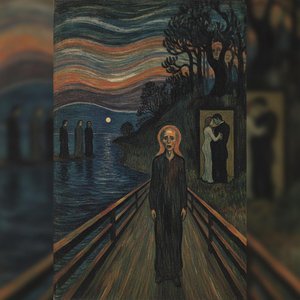
Journey through the raw emotion of Expressionism with our curated guide to Edvard Munch's top 25 masterpieces. Explore the stories behind his most iconic works and find museum-quality art reproductions for your collection. Discover all masterpieces on WahooArt.com.
 Pregledaj u realnoj veličini
 Pošalji
 Podijeli
 Detalji o umjetničkom djelu
 Vodič
Vodič

 Preuzmi umjetničko djelo
 Slični predmeti
 Rentgenska snimka
 Slide show
 Pitanja i odgovori
 Statistika

 Prikaži više






































 Opcija stakla dostupna je samo za dimenzije manje od 110 cm


