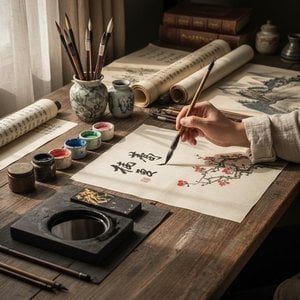
Vizija kyotskog merchanta: svijet Itō Jakuchua
Rođen 1716. godine usred užurbanog tržišnog okruga Nishiki u Kyotu, Itō Jakuchu istaknuo se kao jedan od najoriginalnijih i najočaravajućih japanskih umjetnika. Za razliku od mnogih svojih suvremenika koji su slijedili utvrđene umjetničke linije, Jakuchunov put bio je jedinstveno oblikovan prosperitetnim trgovačkim podrijetlom njegove obitelji i duboko osobnom posvećenošću Zen budističkoj filozofiji. Njegov otac, Itō Genzaemon, bio je uspješan trgovac, što je mladom Jakuchuu omogućilo udobno odrastanje i priliku da od rane mladosti razvija svoj bujni talenat za slikarstvo. To komercijalno okruženje, međutim, u njemu je usadilo i svijest o društvenim promjenama te rastućem utjecaju trgovačke klase Kyota — perspektivu koja će suptilno oblikovati njegovu umjetničku viziju. Iako se od njega očekivalo da će na kraju preuzeti obiteljski posao, Jakuchu je imao druge strasti, neodoljiv nagon da kroz četkicu i tintu uhvati samu bit života. Nakon očeve smrti, kada mu je bilo 23 godine, Jakuchu je nakratko vodio trgovinu prije nego što ju je prepustio svom bratu, konačno se potpuno posvetivši umjetničkom stvaralaštvu.
Prekid s tradicijom: Stil i tematika
Umjetnički stil Itō Jakuchua predstavlja fascinantan spoj pedantnog realizma i razigranog eksperimentiranja. Iako duboko ukorijenjen u tradicionalnim japanskim temama — posebice pticama, cvijeću i pejzažima — on je u svoje djelo unio inovativnog duha koji ga je izdvojio od mnogih suvremenika. Postigao je slavu uz Maruyama Okyo zbog svojih realističnih prikaza, no Jakuchu je išao dalje od puke imitacije prirode. Njegova su djela obilježena živopisnim bojama, dinamičnim kompozicijama i spremnošću na izazivanje konvencionalnih perspektiva.
Pile, u szczególnosti, postala su ponavljajući motiv u njegovom opusu, uzdignuta s skromnih poljoprivrednih životinja u teme vrijedne dubokog umjetničkog istraživanja. On nije samo slikao *ono* što je vidio, već je istraživao urođenu vitalnost i karakter svakog stvorenja. Osim ptica, Jakuchuovo djelo često odražava teme Zen budizma — kontemplativnu tišinu, uvažavanje prolaznosti i poštovanje prema prirodnom svijetu. Njegova slavna
Ljubičica (Bean Vine), primjerice, nije samo botanička studija, već meditacija o rastu, propadanju i međusobnoj povezanosti svih stvari. Njegovi majstorski polikromni prikazi – *doshoku sai-e* – posebno su slavljeni, pokazujući izvanrednu pažnju posvećenu detaljima i živopisnu paletu rijetko viđenu u japanskom slikarstvu tog razdoblja.
Zen utjecaj i umjetnički razvoj
Utjecaj Zen budizma na Jakuchuovu umjetnost neosporan je. Postao je laički brat (*koji*) u kyotskom hramu Shokoku-ji, uranjajući u Zen principe koji su naglašavali izravno iskustvo, intuiciju i potragu za prosvjetljenjem kroz kontemplaciju. Ovo duhovno utemeljljenje duboko je oblikovalo njegov umjetnički pristup, poticaoći osjećaj odvojenosti od svjetovnih briga i nepokolebljenu usredotočenost na dočaravanje bitosti svojih subjekata. Kaže se da je čak dobio posebnu dozvolu za proučavanje klasičnih kineskih slika iz zbirke hrama, upijajući stoljeća umjetničke tradicije dok je istovremeno gradio vlastiti jedinstveni put. Iako je Jakuchu možda u početku studirao pod Ōoka Shunbokom, umjetnikom Kano škole specijaliziranim za slikanje ptica i cvijeća, brzo je nadmašio konvencionalnu obuku, razvijajući idiosinkratičan stil koji je izbjegavao jednostavnu kategorizaciju. Njegova spremnost na kršenje utvrđenih normi povezala ga je s „Linijom ekscentrika” — pokretom istaknutim u utjecajnoj knjizi Nobua Tsujija *Kisō no Keifu*. To djelo je zastupalo umjetnike koji su izazivali umjetničke konvencije, učvrstivši Jakuchuovo mjesto kao ključne figure u povijesti japanske umjetnosti.
Naslijeđe i ponovno otkriće
Unatoč svom talentu i predanosti, Itō Jakuchu je tijekom života ostao relativno nepoznat. Tek je u 20. stoljeću njegovo djelo počelo dobivati široko priznanje, uglavnom zahvaljujući Tsujijevom znanstvenom radu koji je revolucionirao percepciju slikarstva razdoblja Edo. Tsujijino zagovaranje Jakuchua kao ključne figure unutar „Linije ekscentrika” pokrenulo je obnovljeni interes za njegovu umjetnost i utvrdilo ga kao jednog od najvažnijih i najinovativnijih japanskih slikara. Njegov utjecaj može se vidjeti i u razvoju
Ukiyo-e, popularnog žanra drvoreza, što pokazuje širi utjecaj na japansku umjetničku kulturu. Jakuchuova spremnost na eksperimentiranje s perspektivom, bojom i tematikom otvorila je put budućim generacijama umjetnika da osporavaju konvencije i istražuju nove kreativne mogućnosti. Biografija koju je 1766. napisao Zen monah Daiten Kenjo nudi dragocjen uvid u Jakuchuovu umjetničku filozofiju, otkrivajući njegovo namjerno izbjegavanje ljudskih figura — izbor koji naglašava njegov fokus na prirodni svijet i njegovu urođenu ljepotu. Danas se Itō Jakuchu slavi ne samo zbog svoje tehničke vještine, već i zbog svoje jedinstvene vizije, što je svjedočanstvo trajne moći umjetnika koji se usudio izbrusiti vlastiti put i uhvatiti duh svog vremena s neusporedivom originalnošću.
Značajna djela
- Petsto arhatova (Five Hundred Arhats): Monumentalno djelo koje prikazuje Jakuchuovu izvanrednu vještinu i predanost.
- Hanshan i Shide (Kanzan i Jittoku): Demonstrira njegovu sposobnost dočaravanja bit japanske kulture i folklora.
- Rakovi i božuri (Crabs and Peonies): Kvintesencionalni primjer njegovog karakterističnog stila, koji spaja pedantne detalje s živopisnim bojama.
- Ljubičica (Bean Vine): Sumi-e remek-djelo koje utjelovljuje Zen filozofiju i prikazuje zamršene detalje.
- Dva ždralca (Two Cranes): Primjer njegove umjetničke vještine u prikazivanju ptica s elegancijom i preciznošću.
- Stara borovina (Old Pine): Upečatljivo djelo koje pokazuje njegov majstorski rad četkicom (101 x 40 cm, svila).



 Pregledaj u stvarnoj veličini
 Prebacite na prodaju printova
 Podijeli
 Podijeli
 Detalji
 Vodič
Vodič

 Preuzmi datoteku
 Slični predmeti
 Rentgenska snimka
 Slide show
 Statistika


 Pročitajte više






































 Opcija stakla dostupna je samo za dimenzije manje od 110 cm