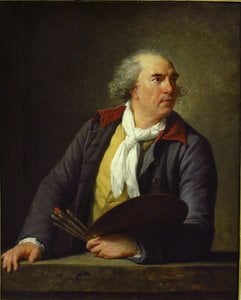
A Painter of Ruins and Visions: The World of Hubert Robert
Hubert Robert, čije je ime sinonim za evocativne krajolike i romantični šarm ruševina, zauzima jedinstvenu poziciju u francuskoj umjetnosti 18. stoljeća. Rođen u Parizu 1733. godine, njegov život se odvijao na pozadini promjenjivih umjetničkih stilova i monumentalnih povijesnih prevrata – od raziglane elegancije Rokokoa do zore Neoklasicizma, a zatim kroz burne godine Francuske revolucije. On nije samo bilježio propadanje; stvarao je vizije, spajajući promatranje s maštom kako bi stvorio scene koje su odjekivale nostalgijom za prošlošću i iščekivanjem budućnosti. Njegovo putovanje započelo je u strukturiranom svijetu umjetničkog obrazovanja, prvo pod skulptorom Michel-Ange Slodtzom, koji je prepoznao Robertov talent, ali ga mudro usmjerio prema slikarstvu, osjećajući da mu se prava poziv nalazi u hvatanju svjetla, atmosfere i suptilne poezije forme.
Rimski snovi: Oblikovanje umjetničkog identiteta
Pivotalni trenutak u Robertovom umjetničkom razvoju dogodio se njegovim dugotrajnim boravkom u Rimu 1754. godine. Prateći Étienne-François de Choiseula, uronio je u svijet prožet poviješću i arhitektonskom veličinom. Jedanaest godina Drevni grad postao je njegov studio na otvorenom, a njegove rušećine, impozantna vrata i obrasla dvorišta potaknuli su njegovu maštu. To nije bilo samo o replikaciji onoga što je vidio; radilo se o interpretiranju, ponovnoj zamisli i prožimanju scene osjećajem melankolične ljepote. Radio je uz Giovannija Paola Paninija, čiji je utjecaj vidljiv u Robertovim ranim *capriccio* kompozicijama – fantastičnim pogledima koji su stavljali klasične ruševine i suvremeni život jedne pored drugih. Međutim, Robert se brzo oslobodio imitacije, razvijajući vlastiti prepoznatljiv stil karakteriziran minucioznim detaljima, atmosferskom perspektivom i dubokom osjetljivošću na igru svjetla i sjene. On nije samo slikao ruševine; slikao je samo vrijeme, hvatajući bolnu ljepotu prolaznosti i trajna snaga sjećanja. Njegove skice iz tog razdoblja su neprocjenjivi zapisi njegovih promatranja, ispunjeni detaljnim studijama rimskih znamenitosti poput Ville d'Este i Caprarole, pokazujući oštar pogled za arhitektonsku nijansu i kompoziciju krajolika.
Pariski prijem i kraljevska zaštita
Robertov povratak u Pariz 1765. godine označio je prekretnicu u njegovoj karijeri. Brzo je stekao priznanje unutar umjetničke zajednice, osiguravši ulazak u Académie Royale de Peinture et de Sculpture s djelom “Luka Rima, ukrašena različitim spomenicima arhitekture, drevne i moderne.” Njegove sljedeće izložbe na Salonu izazvale su opći pljesak, očaravajući publiku evocativnim prikazima ruševina i slikovitih krajolika. Denis Diderot, istaknuta figura prosvjetiteljstva, pohvalio je veličanstvenost koju su Robertove slike pobudile, prepoznajući njegovu sposobnost da prenese gledatelje u drugo vrijeme i mjesto. Ovaj uspjeh doveo je do kraljevske zaštite, s narudžbama za dekorativne projekte i imenovanjem “Dizajnerom kraljevskih vrtova”, a kasnije “Čuvarom kraljevih slika”. Postao je traženi umjetnik, ne samo zbog svojih slika na platnu, već i zbog inovativnih dizajna za vrtove i palačinske interijere. Njegov rad rezonirao je s prevladajućim ukusom za *capriccio* slikarstvo – žanru koji se svidio kolekcionarima fasciniranim poviješću, arheologijom i pitoresknim – ali ga je Robert obogatio jedinstvenom osjetljivošću, podižući ga iznad pukle dekorativne umjetnosti.
Revolucija, otpornost i trajno nasljeđe
Francuska revolucija predstavljala je bez presedana izazov za Roberta. Dok se mnogi umjetnici borili da pronađu put kroz burnu političku klimu, on se našao uhvaćen u proturječnim strujama promjena. Bio je čak i zatvoren tijekom vladavine terora, potresno iskustvo koje ga je ipak nadahnulo na niz crteža koji su dokumentirali njegovo vrijeme u zatvoru. Iznenađujuće, nastavio je neumorno slikati tijekom tog razdoblja, pokazujući nepokolebljivu predanost svojoj umjetnosti. Nakon revolucije, Robert je imenovan kustosom novoustanovljenog Muséum Central des Arts – budućeg Musée du Louvrea – svjedočanstvo njegove stručnosti i posvećenosti očuvanju kulturnog nasljeđa. Imao je ključnu ulogu u organiziranju i katalogiziranju muzejske zbirke, osiguravajući da su francuska umjetnička blaga zaštićena za buduće generacije. Hubert Robert umro je u Parizu 1808. godine, ostavljajući iza sebe izvanredno djelo koje nastavlja nadahnjivati divljenje i strahopoštovanje. Njegovo nasljeđe ne leži samo u njegovoj tehničkoj vještini, već i u njegovoj jedinstvenoj sposobnosti da spoji povijesnu točnost s maštovitom vizijom. Pionir je žanra slikarstva koji je proslavio ljepotu propadanja i trajna snaga ljudske kreativnosti, učvršćujući svoj položaj kao ključna figura koja povezuje Rokoko i Neoklasicizam te predviđa aspekte romantizma sa svojim zanimanjem za povijest i maštu.
- Ključni utjecaji: Giovanni Paolo Panini, Piranesi, arhitektonski krajolik Rima.
- Glavne teme: Ruševine, krajolici, *capriccio* slike, povijesno sjećanje, protok vremena.
- Umjetnički stil: Minuciozni detalji, atmosferska perspektiva, evocativno osvjetljenje, spajanje promatranja i mašte.



 Pregledaj u stvarnoj veličini
 Prebacite na prodaju printova
 Podijeli
 Podijeli
 Detalji
 Vodič
Vodič

 Preuzmi datoteku
 Slični predmeti
 Rentgenska snimka
 Slide show
 Statistika


 Pročitajte više