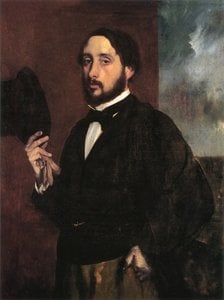
Život Uronjen u Pokret: Edgar Degas
Rođen kao Hilaire-Germain-Edgar De Gas 1834. godine u Parizu, Edgar Degas bio je umjetnik čudnih proturječnosti. Iako ga se često svrstavaju uz impresioniste – Moneta, Renoara i druge koji su revolucionirali slikarstvo u kasnom 19. stoljeću – on je aktivno odbijao tu oznaku, identificirajući se umjesto toga kao realizam. Ta predanost proizlazi iz njegove pomatne opservacije svijeta oko njega i posvećenosti prikazivanju istog s nepopustljivom iskrenošću. Degasov raniji život bio je udoban, buržoaski; njegov otac je bio bankar, a majka poticala iz kreolske obitelji iz New Orleansa. Ta pozadina omogućila mu je pristup obrazovanju i umjetničkom osposobljavanju, iako se često bunio protiv akademskih ograničenja. U početku se upisao na Lycée Louis-le-Grand, ali njegovo pravo školovanje započelo je kada je počeo prepisati djela u Louvru, usavršavajući svoje vještine i potičući dugotrajnu strast prema klasičnoj umjetnosti. Međutim, Degasova staza nije bila jedna od stroge pridržavanja tradicije; obilježila ju je stalno upitovanje i reevaluacija umjetničkih normi. Posjedovao je neovisni duh koji će definirati cijelu njegovu karijeru.
Izvan Impresionizma: Jedinstvena Umjetnička Vizija
Dok su suvremenici poput Moneta lovili prolazne efekte svjetlosti na otvorenom, Degas je uglavnom radio unutar okvira svog ateljea, pomno konstruirajući scene iz promatranja i sjećanja. Njegova tematika bila je odlučno moderna – odmak od povijesnih ili mitoloških tema koje su preferirali mnogi akademski slikari. Inspiraciju je nalazio u svakodnevnom životu parižana: pralja, pjevačica kabarea, modistkinja i, najpoznatije, plesača. Upravo ta fascinacija baletom definira veći dio njegova opusa. Degas nije samo slao lijepe balerine; uhvaćeno je iscrpljujuća stvarnost njihove profesije – beskrajni proba, fizički napor, prolazni trenuci gracioznosti usred svijeta napornog rada. Njegovi su aranžmani često nekonvencionalni, izrezujući figure na neočekivane načine i koristeći asimetrične rasporede koji stvaraju osjećaj dinamike i neposrednosti. Bio je majstor u hvatanju pokreta, ne kroz zamućene linije ili mutne efekte, već putem precizne opservacije i pažljivog prikazivanja oblika.
Plesačica, Grupa plesača i
Žene češljaju kosu vrhunski su primjeri te posvećenosti prikazivanju ljudske figure u pokretu i otkrivanju složenosti modernog života. Nije bio zainteresiran za površinsku ljepotu; nastojao je otkriti istinu ispod površine.
Utjecaji i Umjetnički Razvoj
Degasovo umjetničko putovanje oblikovale su raznolike utjecaje. Njegovo rano školovanje naglasilo je klasične principe, posebno djela Jean-Auguste-Dominique Ingresa, čiji je naglasak na crtežu i preciznom obliku ostavio trajan dojam. Međutim, Degas je također divio se realizistima, poput Gustava Courbeta, koji su osporavali akademske konvencije i promicali prikazivanje suvremenog života. Ključni trenutak u njegovom razvoju nastao je kroz njegovo povezivanje s Camille Pissarrom, vodećim impresionistom koji ga je upoznao s drugim umjetnicima i potaknuo na eksperimentiranje sa novim tehnikama. Bio je očaran japanskim tiskovima –
Ukiyo-e – koji su utjecali na njegovu upotrebu asimetričnih kompozicija, spljoštenih perspektiva i hrabrim uzorcima. Primio je i fotografiju, prepoznajući njezin potencijal kao alata za proučavanje pokreta i hvatanje prolaznih trenutaka u vremenu. Ta spremnost na uključivanje raznolikih utjecaja u svoj rad ono je što izdvaja Degasa i doprinosi jedinstvenom karakteru njegove umjetnosti. Nije se bojao pozajmljivati iz različitih izvora, sintetizirajući ih u nešto potpuno novo.
Nasljeđe i Trajni Utjecaj
Edgar Degas umro je u Parizu 1917. godine, ostavivši iza sebe djelo koje i danas nastavlja fascinirati i inspirirati publiku. Njegov inovativni pristup kompoziciji, njegova majstorska crtačka vještina i njegov nepopustljiv prikaz modernog života imali su dubok utjecaj na tijek povijesti umjetnosti. Pripremio je put budućim generacijama umjetnika koji su težili osloboditi se tradicionalnih konvencija i istražiti nove načine predstavljanja svijeta oko njih. Njegov utjecaj može se vidjeti u djelima Pabla Picassa i Henria Matissea, među drugima. Muzeji diljem svijeta – uključujući Musée d'Orsay i Musée de l’Orangerie u Parizu – čuvaju značajne zbirke njegovih slika, pastela, skulptura i grafika, osiguravajući da će njegovo nasljeđe trajati generacijama. Degas nije bio samo slikar plesača ili trkačkih konja; bio je oštar promatrač ljudske prirode, majstor oblika i pokreta te pravi inovator koji je redefinirao mogućnosti umjetnosti.
- Majstor Linije: Degasova izuzetna crtačka vještina izdvajala ga je.
- Moderan Život kao Tema: Fokusirao se na pariške scene, odbacujući tradiciju.
- Utjecaj na Buduće Umjetnike: Njegovo djelo duboko je utjecalo na Picassa i Matissea.



 Pregledaj u stvarnoj veličini
 Naručite ručno oslikano reprodukciju
 Podijeli
 Podijeli
 Detalji
 Vodič
Vodič

 Preuzmi datoteku
 Slični predmeti
 Rentgenska snimka
 Slide show
 Statistika


 Pročitajte više






































 Opcija stakla dostupna je samo za dimenzije manje od 110 cm