BESPLATNE UMJETNIČKE KONSULTACIJE


x


 Kupi otisak Kupi digitalnu sliku
 Pošalji
 Details
 Dodaj u omiljene
 Preuzmi
 Slični predmeti
 X-Ray
X-Ray
 Automatska prezentacija
Ručno oslikano uljanim bojama na platnu u dimenzijama i okviru po vašem izboru, izrađeno po narudžbi od strane naših umjetnika.
Odaberite jednu od naših unaprijed definiranih veličina koje odgovaraju izvornim proporcijama umjetničkog djela.

Možete unijeti vlastite dimenzije kako bi odgovarale određenom okviru ili prostoru. Ako odabrana veličina ne odgovara proporcijama izvorne slike, izrezat ćemo umjetničko djelo ili proširiti sliku dodatnim ručno oslikanim elementima. Digitalni nacrt bit će vam poslan na odobrenje prije početka proizvodnje.
Imajte na umu da pregled na ekranu ne prikazuje stvarno izrezivanje ili proširivanje. Samo će nacrt točno prikazati konačni sastav.
Iako su dostupne prilagođene veličine, preporučujemo odabir dimenzije s preddefiniranog popisa kako bismo očuvali izvorne proporcije.
Isporuka širom svijeta () u roku od 3-4 tjedna umjesto standardnih 5 tjedana. (1 Srpanj). Bez kompromisa u kvaliteti.


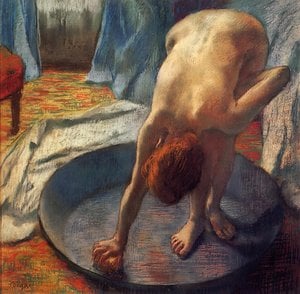
Dancer's Dressing Room
Veličina reprodukcije
Edgar Degas’ “Dancer’s Dressing Room,” created in 1878, offers an intimate and captivating glimpse into the world of ballet. This pastel work exemplifies the Impressionist movement's focus on capturing fleeting moments and everyday scenes with a fresh perspective. More than just depicting a backstage setting, it reveals the vulnerability and anticipation inherent in the life of a ballerina.
Edgar Degas (1834-1917) was a pivotal figure in French Impressionism, though he resisted being categorized solely as such. Born into a moderately wealthy family in Paris, his early artistic training included studying under Ingres and spending three years in Italy absorbing Renaissance techniques. However, Degas ultimately forged his own path, becoming renowned for his depictions of dancers, racecourses, and Parisian life. His unique perspective involved capturing movement and spontaneity with unconventional compositions and a keen eye for detail. He favored pastels and oil paints, often employing loose brushstrokes and unusual viewpoints to create dynamic and engaging scenes. Degas’s other notable works include “Dancer at the Barre” and "Dancer with a Fan," all celebrated for their beauty and portrayal of poise.
“Dancer’s Dressing Room” portrays a ballerina in the midst of preparing for a performance. The scene is filled with a sense of quiet anticipation, as figures bustle around her – one adjusting her costume, another offering a flower, and yet another observing with a gentle gaze. Degas masterfully uses pastel colors to create a soft, luminous atmosphere, drawing the viewer into this private moment. The composition isn't rigidly structured; instead, it feels spontaneous and candid, reflecting the fleeting nature of the scene. The use of short, broken lines contributes to the overall sense of movement and energy within the room. The lighting is diffused, creating subtle shadows that highlight the delicate textures of the dancer’s dress and the surrounding objects.
Beyond its aesthetic appeal, "Dancer's Dressing Room" carries symbolic weight. The flower offered to the ballerina represents admiration and appreciation for her artistry. The dancer herself embodies grace, discipline, and dedication. Degas’ choice of pastel medium allows for a delicate rendering of light and color, evoking a sense of intimacy and vulnerability. The artwork transcends a simple depiction of backstage life; it explores themes of anticipation, performance, and the human element behind the spectacle of ballet. The overall emotional impact is one of quiet contemplation – a moment suspended in time before the dancer takes center stage.
Degas created "Dancer's Dressing Room" using pastel chalk on paper. This medium allowed him to achieve the soft, luminous colors and delicate textures characteristic of his Impressionistic style. The layering of pastel strokes creates a hazy, dreamlike quality that enhances the artwork’s emotional impact. The technique involved building up color gradually, allowing for subtle variations in tone and creating a sense of depth despite the relatively shallow perspective.



1834 - 1917 , Francuska

Explore the fascinating intersection of Impressionistic Realism! Discover how 19th-century artists balanced subjective perception with objective representation, revolutionizing art history. Learn about key techniques & masters.

Explore the emotional power of pastel palettes in art history! Discover Impressionism, Post-Impressionism & color psychology insights. Find museum-quality reproductions at WahooArt.

Otkrijte 10 remek-djela impresionizma koji su definirali umjetnički pokret! Monet, Renoir, Degas i drugi majstori – istražite priče iza ikoničnih slika. Inspirirajte se za dekoraciju interijera s WahooArt.com - vrhunskim reprodukcijama i kuriranih ideja.

Explore the captivating world of Edgar Degas! Discover his innovative techniques, iconic ballet paintings, and unique portrayal of Parisian life in this insightful art history study.

Explore the nuanced world of pastel art! Discover its history, techniques & emotional power with expert insights from WahooArt.com. Find museum-quality reproductions and learn about collecting this delicate medium.


Budite u tijeku s najnovijim umjetničkim vijestima, ekskluzivnim ponudama i idejama za dekoraciju.
Recite nam nešto o svom projektu, a naši će stručnjaci za umjetnost pripremiti 3 personalizirana prijedloga umjetnina.
Dopustite nam da odaberemo 3 opcije samo za Vas – Besplatno!
 Podijeli






































 Pročitajte više
 Opcija stakla dostupna je samo za dimenzije manje od 110 cm