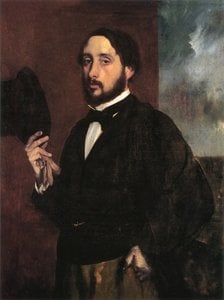
Život Uronjen u Pokret: Edgar Degas
Rođen kao Hilaire-Germain-Edgar De Gas 1834. godine u Parizu, Edgar Degas bio je umjetnik čudnih proturječnosti. Iako ga se često svrstavaju uz impresioniste – Moneta, Renoara i druge koji su revolucionirali slikarstvo u kasnom 19. stoljeću – on je aktivno odbijao tu oznaku, identificirajući se umjesto toga kao realizam. Ta predanost proizlazi iz njegove pomatne opservacije svijeta oko njega i posvećenosti prikazivanju istog s nepopustljivom iskrenošću. Degasov raniji život bio je udoban, buržoaski; njegov otac je bio bankar, a majka poticala iz kreolske obitelji iz New Orleansa. Ta pozadina omogućila mu je pristup obrazovanju i umjetničkom osposobljavanju, iako se često bunio protiv akademskih ograničenja. U početku se upisao na Lycée Louis-le-Grand, ali njegovo pravo školovanje započelo je kada je počeo prepisati djela u Louvru, usavršavajući svoje vještine i potičući dugotrajnu strast prema klasičnoj umjetnosti. Međutim, Degasova staza nije bila jedna od stroge pridržavanja tradicije; obilježila ju je stalno upitovanje i reevaluacija umjetničkih normi. Posjedovao je neovisni duh koji će definirati cijelu njegovu karijeru.
Izvan Impresionizma: Jedinstvena Umjetnička Vizija
Dok su suvremenici poput Moneta lovili prolazne efekte svjetlosti na otvorenom, Degas je uglavnom radio unutar okvira svog ateljea, pomno konstruirajući scene iz promatranja i sjećanja. Njegova tematika bila je odlučno moderna – odmak od povijesnih ili mitoloških tema koje su preferirali mnogi akademski slikari. Inspiraciju je nalazio u svakodnevnom životu parižana: pralja, pjevačica kabarea, modistkinja i, najpoznatije, plesača. Upravo ta fascinacija baletom definira veći dio njegova opusa. Degas nije samo slao lijepe balerine; uhvaćeno je iscrpljujuća stvarnost njihove profesije – beskrajni proba, fizički napor, prolazni trenuci gracioznosti usred svijeta napornog rada. Njegovi su aranžmani često nekonvencionalni, izrezujući figure na neočekivane načine i koristeći asimetrične rasporede koji stvaraju osjećaj dinamike i neposrednosti. Bio je majstor u hvatanju pokreta, ne kroz zamućene linije ili mutne efekte, već putem precizne opservacije i pažljivog prikazivanja oblika.
Plesačica, Grupa plesača i
Žene češljaju kosu vrhunski su primjeri te posvećenosti prikazivanju ljudske figure u pokretu i otkrivanju složenosti modernog života. Nije bio zainteresiran za površinsku ljepotu; nastojao je otkriti istinu ispod površine.
Utjecaji i Umjetnički Razvoj
Degasovo umjetničko putovanje oblikovale su raznolike utjecaje. Njegovo rano školovanje naglasilo je klasične principe, posebno djela Jean-Auguste-Dominique Ingresa, čiji je naglasak na crtežu i preciznom obliku ostavio trajan dojam. Međutim, Degas je također divio se realizistima, poput Gustava Courbeta, koji su osporavali akademske konvencije i promicali prikazivanje suvremenog života. Ključni trenutak u njegovom razvoju nastao je kroz njegovo povezivanje s Camille Pissarrom, vodećim impresionistom koji ga je upoznao s drugim umjetnicima i potaknuo na eksperimentiranje sa novim tehnikama. Bio je očaran japanskim tiskovima –
Ukiyo-e – koji su utjecali na njegovu upotrebu asimetričnih kompozicija, spljoštenih perspektiva i hrabrim uzorcima. Primio je i fotografiju, prepoznajući njezin potencijal kao alata za proučavanje pokreta i hvatanje prolaznih trenutaka u vremenu. Ta spremnost na uključivanje raznolikih utjecaja u svoj rad ono je što izdvaja Degasa i doprinosi jedinstvenom karakteru njegove umjetnosti. Nije se bojao pozajmljivati iz različitih izvora, sintetizirajući ih u nešto potpuno novo.
Nasljeđe i Trajni Utjecaj
Edgar Degas umro je u Parizu 1917. godine, ostavivši iza sebe djelo koje i danas nastavlja fascinirati i inspirirati publiku. Njegov inovativni pristup kompoziciji, njegova majstorska crtačka vještina i njegov nepopustljiv prikaz modernog života imali su dubok utjecaj na tijek povijesti umjetnosti. Pripremio je put budućim generacijama umjetnika koji su težili osloboditi se tradicionalnih konvencija i istražiti nove načine predstavljanja svijeta oko njih. Njegov utjecaj može se vidjeti u djelima Pabla Picassa i Henria Matissea, među drugima. Muzeji diljem svijeta – uključujući Musée d'Orsay i Musée de l’Orangerie u Parizu – čuvaju značajne zbirke njegovih slika, pastela, skulptura i grafika, osiguravajući da će njegovo nasljeđe trajati generacijama. Degas nije bio samo slikar plesača ili trkačkih konja; bio je oštar promatrač ljudske prirode, majstor oblika i pokreta te pravi inovator koji je redefinirao mogućnosti umjetnosti.
- Majstor Linije: Degasova izuzetna crtačka vještina izdvajala ga je.
- Moderan Život kao Tema: Fokusirao se na pariške scene, odbacujući tradiciju.
- Utjecaj na Buduće Umjetnike: Njegovo djelo duboko je utjecalo na Picassa i Matissea.



 Pregledaj u stvarnoj veličini
 Kupi ručno naslikanu sliku
 Pošalji
 Podijeli
 Detalji o umjetničkom djelu

 Preuzmi
 Slični predmeti
 Rentgenska snimka
 Automatska prezentacija
 Statistika


 Prikaži više






































 Opcija stakla dostupna je samo za dimenzije manje od 110 cm