


Ručno oslikano uljanim bojama na platnu u dimenzijama i okviru po vašem izboru, izrađeno po narudžbi od strane naših umjetnika. ( Kupi print Kupi digitalnu sliku)





























Odaberite jednu od naših unaprijed definiranih veličina koje odgovaraju izvornim proporcijama umjetničkog djela.

Možete unijeti vlastite dimenzije kako bi odgovarale određenom okviru ili prostoru. Ako odabrana veličina ne odgovara proporcijama izvorne slike, izrezat ćemo umjetničko djelo ili proširiti sliku dodatnim ručno oslikanim elementima. Digitalni nacrt bit će vam poslan na odobrenje prije početka proizvodnje.
Imajte na umu da pregled na ekranu ne prikazuje stvarno izrezivanje ili proširivanje. Samo će nacrt točno prikazati konačni sastav.
Iako su dostupne prilagođene veličine, preporučujemo odabir dimenzije s preddefiniranog popisa kako bismo očuvali izvorne proporcije.
Isporuka širom svijeta () u roku od 3-4 tjedna umjesto standardnih 5 tjedana. (7 Rujan). Bez kompromisa u kvaliteti.


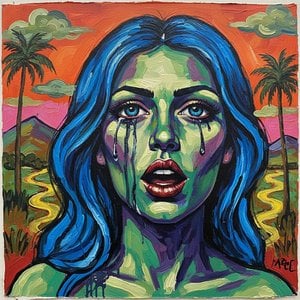
untitled (2727)
Veličina reprodukcije
Henri Émile Benoît Matisse (1869-1954) stands as a monumental figure in the annals of modern art, an artist whose unwavering devotion to color—a bold departure from prevailing artistic conventions—forever altered the landscape of painting. Born in Le Cateau-Cambrésis, France, his early life was marked by legal aspirations and a brief illness that unexpectedly steered him toward a lifelong passion for visual expression.
Matisse’s artistic journey began serendipitously following an appendicitis attack in 1889. Convalescence provided the catalyst for discovering painting with encouragement from his mother, igniting within him a creative fervor he would never relinquish. Unlike many of his peers pursuing traditional paths, Matisse embraced the bohemian spirit, enrolling at the Académie Julian and later honing his skills at the École Nationale des Beaux-Arts under Gustave Moreau—institutions that fostered an appreciation for both classical influences and burgeoning modernist ideas.
His mastery of color wasn’t merely decorative; it served as a conduit for conveying emotion and capturing the essence of his subjects. Matisse's canvases pulsate with energy, imbued with hues that defy conventional representation—a deliberate strategy designed to bypass rational perception and tap into primal feelings.
“untitled (2727)” exemplifies this revolutionary aesthetic. The painting’s composition centers around a vase brimming with pink and red flowers, meticulously arranged on a tabletop alongside a diminutive sculpture. Matisse's technique – characterized by loose brushstrokes and flattened forms – prioritizes expressive color over realistic depiction. This stylistic choice aligns perfectly with the Fauvist movement’s rejection of illusionism and its embrace of pure pigment as a primary artistic tool.
The artwork’s historical context is crucial to understanding Matisse's significance. Emerging in the early 20th century, Fauvism challenged the established order of Parisian art academies, asserting that color could communicate emotion more effectively than form alone. Matisse’s unwavering commitment to this principle solidified his position as a champion of artistic innovation and profoundly influenced subsequent generations of artists.


1869 - 1954 , Francuska
Embark on a journey through the vibrant world of Fauvism. Discover how masters like Henri Matisse revolutionized art through bold colors and raw emotion in this expert-led guide to one of modern art's most powerful movements.

 Pregledaj u stvarnoj veličini
 Pošalji
 Podijeli
 Detalji o umjetničkom djelu

 Preuzmi
 Slični predmeti
 Rentgenska snimka
 Automatska prezentacija
 Prikaži više







 Opcija stakla dostupna je samo za dimenzije manje od 110 cm


