


Ručno oslikano uljanim bojama na platnu u dimenzijama i okviru po vašem izboru, izrađeno po narudžbi od strane naših umjetnika. ( Kupi print Kupi digitalnu sliku)





























Odaberite jednu od naših unaprijed definiranih veličina koje odgovaraju izvornim proporcijama umjetničkog djela.

Možete unijeti vlastite dimenzije kako bi odgovarale određenom okviru ili prostoru. Ako odabrana veličina ne odgovara proporcijama izvorne slike, izrezat ćemo umjetničko djelo ili proširiti sliku dodatnim ručno oslikanim elementima. Digitalni nacrt bit će vam poslan na odobrenje prije početka proizvodnje.
Imajte na umu da pregled na ekranu ne prikazuje stvarno izrezivanje ili proširivanje. Samo će nacrt točno prikazati konačni sastav.
Iako su dostupne prilagođene veličine, preporučujemo odabir dimenzije s preddefiniranog popisa kako bismo očuvali izvorne proporcije.
Isporuka širom svijeta () u roku od 3-4 tjedna umjesto standardnih 5 tjedana. (6 Rujan). Bez kompromisa u kvaliteti.


the dream
Veličina reprodukcije
Henri Matisse’s “The Dream,” painted circa 1940, is more than just a depiction of repose; it's an embodiment of Fauvist principles distilled into a single, arresting image. This artwork transports viewers to a realm where color reigns supreme—a deliberate rejection of Impressionistic subtlety in favor of expressive hues that prioritize emotional impact over precise representation.
Born in Le Cateau-Cambrésis, France, Henri Émile Benoît Matisse (1869-1954) embarked on a legal career initially, but fate intervened when an appendicitis attack redirected him toward the liberating force of painting. Influenced by Impressionist masters like Monet and Renoir, yet profoundly dissatisfied with their muted palettes, Matisse spearheaded Fauvism—a movement that championed unrestrained color as its primary expressive tool.
The painting’s dominant red background serves as a canvas for the woman’s figure, rendered in shades of ochre and pale pink. Matisse employed loose brushstrokes—characteristic of Fauvist style—to convey movement and vibrancy without resorting to meticulous detail. The careful placement of the handbag beside the sleeping woman adds a touch of realism, grounding the fantastical element of the dreamscape. Notably, a bird perched atop the left shoulder subtly introduces an element of observation and perhaps symbolizes hope or vigilance.
"The Dream" speaks to themes of introspection and serenity—a desire to escape into a world untouched by anxieties. Matisse’s masterful simplification of form contributes to this effect, allowing the color itself to dominate the narrative. The woman's posture exudes comfort and vulnerability, inviting contemplation on the subconscious mind and the restorative power of sleep.
Matisse’s groundbreaking approach to color irrevocably altered the course of modern art. His influence can be seen in subsequent generations of artists who embraced bold hues and expressive brushwork, solidifying his position as one of the most celebrated painters of the 20th century. Reproductions of “The Dream” offer a captivating glimpse into Matisse’s artistic genius—a timeless testament to the transformative potential of color.


1869 - 1954 , Francuska
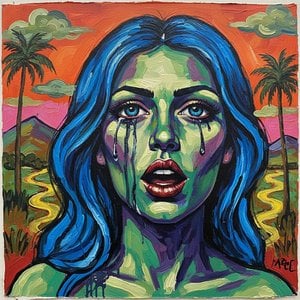
Embark on a journey through the vibrant world of Fauvism. Discover how masters like Henri Matisse revolutionized art through bold colors and raw emotion in this expert-led guide to one of modern art's most powerful movements.

 Pregledaj u stvarnoj veličini
 Pošalji
 Podijeli
 Detalji o umjetničkom djelu

 Preuzmi
 Slični predmeti
 Rentgenska snimka
 Automatska prezentacija

 Prikaži više







 Opcija stakla dostupna je samo za dimenzije manje od 110 cm


