


Giclée tisak muzejske kvalitete ili otisak na platnu uz brzu proizvodnju i fleksibilne opcije završne obrade. ( Kupi ručno naslikanu sliku Kupi digitalnu sliku)





























Odaberite jednu od naših unaprijed definiranih veličina koje odgovaraju izvornim proporcijama umjetničkog djela.

Možete unijeti vlastite dimenzije kako biste umjetničko djelo prilagodili specifičnom okviru ili prostoru. Ako odabrana veličina ne odgovara proporcijama izvornog rada, izrezat ćemo dio slike ili je proširiti pomoću ogledalnog efekta ili jednobojne rubne površine. Digitalni prikaz (mockup) bit će vam poslan na odobrenje prije početka proizvodnje.
Imajte na umu da pregled na zaslonu ne odražava stvarno izrezivanje ili proširivanje. Samo će mockup točno prikazati konačnu kompoziciju.
Iako su dostupne prilagođene veličine, preporučujemo odabir dimenzije iz unaprijed definirane liste kako biste očuvali izvorne proporcije.
Dostava širom svijeta () u roku od 2 tjedna umjesto standardnih 4/5 tjedana. (7 Rujan)


Moroccan in Green
Veličina reprodukcije
In the pantheon of modern art, few moments capture the raw, unbridled energy of the Fauvist movement quite like Henri Matisse’s “Moroccan in Green”. Created in 1913, this masterpiece serves as a vibrant window into a period of profound transformation for the artist. As Matisse traveled through North Africa, specifically Tangier, he encountered a world of radiant pigments and dense, sun-drenched textures that would forever alter his palette. The painting is not merely a portrait of a figure; it is an exploration of light, a rhythmic dance of color where the boundaries between subject and atmosphere begin to dissolve. To gaze upon this work is to feel the warmth of the Moroccan sun and the cooling breath of an azure breeze, making it an evocative centerpiece for any collection that seeks to invite vitality and movement into a space.
The composition is a masterclass in the Fauvist technique, characterized by its rejection of traditional academic realism in favor of emotional truth. Matisse employs flattened forms and bold, expressive brushstrokes that create a sense of decorative rhythm across the canvas. The subject—a Riffian man—is draped in a striking emerald green garment that pulsates against a deep, contrasting blue background. This deliberate use of non-naturalistic color allows the artist to bypass mere representation and instead tap into a deeper, more primal sensation. There is no attempt at subtle shading or traditional perspective here; instead, Matisse uses the intersection of vibrant hues to build a sense of presence and weight, inviting the viewer to experience the painting as a tactile, sensory event.
Beyond its aesthetic brilliance, “Moroccan in Green” carries a significant historical weight. It stands as a testament to Matisse’s ability to synthesize his European training with the exotic influences of the East. The painting reflects a pivotal era when artists were breaking free from the constraints of Impressionism to find a new language of expression—one that prioritized the internal feeling over the external sight. For the discerning collector or interior designer, this piece offers more than just visual appeal; it offers a connection to the very dawn of 20th-century modernism. The way the gold accents and jewel-like tones interact with the primary greens and blues provides a sophisticated color palette that can anchor a room, providing both a focal point of high drama and a sense of timeless elegance.
Integrating a high-quality reproduction of this work into a contemporary interior allows for a seamless blend of historical depth and modern chic. Whether placed in a minimalist gallery-style setting or a richly textured classical room, the painting’s bold energy complements diverse design aesthetics. It serves as an intellectual conversation starter, embodying the spirit of rebellion and the joy of pure color. For those who appreciate art that breathes life into walls, Matisse’s vision remains an eternal source of inspiration, reminding us that color is not just something we see, but something we feel.


1869 - 1954 , Francuska

Explore the vibrant world of Fauvism with our expert guide. Discover how Matisse and Derain revolutionized art through bold colors and expressive strokes. Perfect for classic art enthusiasts seeking to deepen their passion for modern masterpieces.
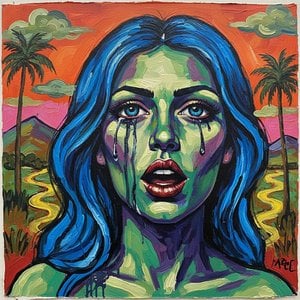
Embark on a journey through the vibrant world of Fauvism. Discover how masters like Henri Matisse revolutionized art through bold colors and raw emotion in this expert-led guide to one of modern art's most powerful movements.

Explore the vibrant revolution of Fauvism. Discover how masters like Matisse liberated color to redefine modern art. Dive into an expert-led journey through the 'Wild Beasts' movement and learn how to bring this bold, expressive energy into your personal collection.

 Pregledaj u stvarnoj veličini
 Pošalji
 Podijeli
 Detalji o umjetničkom djelu

 Preuzmi
 Slični predmeti
 Rentgenska snimka
 Automatska prezentacija

 Prikaži više







 Opcija stakla dostupna je samo za dimenzije manje od 110 cm


