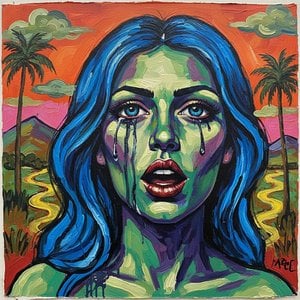
Život Uronut u Boju: Svijet Henrija Matissea
Henri Émile Benoît Matisse, rođen 31. prosinca 1869. godine u malom sjevernom francuskom gradu Le Cateau-Cambrésis, nije bio predodređen za život ispunjen pigmentima i formama. Iako je nakon srednje škole prvotno nastavio studij prava u Parizu, njegov put se dramatično promijenio nakon upale slijepog crijeva 1889. godine. Tijekom oporavka otkrio je latitnu strast potaknutu jednostavnim činom slikanja s kompletom umjetničkih materijala koje mu je poklonila majka. To nije bila samo zabava; bio je to otkriti – prekretnica koja ga je odjurila od pravnih dokumenata prema svijetu u kojem bi boja postala njegov jezik, a platno njegovo carstvo. Odgajan u Bohain-en-Vermandois, kao sin trgovaca žitom, Matisse se na prvi pogled nije činilo da će prihvatiti boemski život umjetnika, no sjeme je posađeno, hranjeno oporavkom i procvjetalo u cjelovitu predanost. Upisao je Akademiju Julian, a kasnije i Nacionalnu školu za lijepa umjetnost (École Nationale des Beaux-Arts), gdje je učio kod Williama-Adolphea Bouguereaua i Gustava Moreaua, usvajajući klasične tehnike koje će poslužiti kao temelj za njegove buduće inovacije. Njegova djela iz tog ranog razdoblja odražavala su tu akademsku obuku, pokazujući vještinu, ali nedostaje glas koji bi uskoro definirao njega.
Zora Fauvisma i Smjela Eksperimentiranja
Ključni trenutak nastupio je 1896. godine tijekom posjeta Belle Île s australskim slikarom Johnom Russelom. Ovaj susret se pokazao transformativnim. Russell ga je upoznao sa svijetom impresionizma, a važnije od toga, s emotivno nabijenim platnima Vincenta van Gogha. Utjecaj je bio dubok. Van Goghova ekspresivna upotreba boje slomila je Matisseovu dotadašnju ograničenu paletu, potičući ga na hrabriji, subjektivniji pristup. Počeo se udaljavati od zemljastih tonova, prihvaćajući nijanse koje su rezonirale s emocijama, a ne strogom reprezentacijom. Ovo istraživanje kulminiralo je pojavom fauvisma oko 1905. – pokreta u kojem je Matisse postao vodeća figura. Ime samog pokreta, što znači "divlje zvijeri", prvotno je bio podrugljiv, dodijeljen grupi zbog njihova šokantno živahnih i nestvarnih slika izloženih na Salonu d'Automne.
Matisse, zajedno s umjetnicima poput Andréa Deraina i Mauricea de Vlamincka, zagovarao je intenzivnu boju kao samostalan element ekspresije, pojednostavljujući oblike kako bi pojačao njezin utjecaj. Slike poput
The Gourds (1905) primjeri su ovog stila – jurnjava crvenih, zelenih i žutih boja nanesenih slobodom koja je ignorirala tradicionalnu perspektivu i mimetističku točnost. Ključne karakteristike uključivale su intenzivno zasićene palete, pojednostavljene oblike, ekspresivne poteze kista i namjerni odmak od konvencionalnog predstavljanja u korist emocionalne rezonancije.
RaFiniranje i Dekorativna Harmonija
Nakon prvotne žestine fauvisma, Matisseov stil je prošao kroz suptilnu, ali značajnu evoluciju. Iako nikada nije napustio svoju ljubav prema boji, njegova djela postala su rafiniranija, naginjući dekorativnoj estetici koja je naglašavala spljoštene oblike i složene uzorke. Istraživao je teme razonode, domaćinstva i ljudske figure u mirnim okruženjima, stvarajući kompozicije koje su bile istovremeno skladne i emotivno rezonantne. Preseljenje u Nice na francuskoj Rivijeri 1917. godine dodatno je utjecalo na ovaj pomak, prožimajući njegova djela osjećajem smirenosti i klasične ravnoteže. Počeo se fokusirati na stvaranje okruženja – slika, skulptura i dekorativnih predmeta – koja su obuhvaćala gledatelja atmosferom ljepote i mira. Tijekom tog razdoblja eksperimentirao je s različitim medijima, uključujući keramiku i tekstil, proširivši svoju umjetničku viziju izvan tradicionalnog platna. Nije se samo oslikovao scene; gradio je svjetove dizajnirane da izazovu određeni emocionalni odgovor.
Kasnije Godine: Inovacija Kroz Ograničenja
Kako su mu slabe zdravlje ograničavale sposobnost slikanja na konvencionalan način, Matisse se upustio u izvanrednu novu fazu svog umjetničkog putovanja – stvaranje kolaža od izrezane papira, ili *découpages*. Počeo je oko 1947. godine, a rođen je iz potrebe. Ograničen na invalidska kolica, nije mogao fizički stajati i slikati, ali je još uvijek mogao manipulirati papirom makazama. Ono što je počelo kao praktično rješenje evoluiralo je u revolucionarnu umjetničku tehniku. Bojao bi velike listove papira u živopisnim bojama, a zatim ih rezati u oblike – organske forme, lišće, figure – i slagati na platno, stvarajući kompozicije koje su bile istovremeno dinamične i izuzetno jednostavne. Ovi *découpages* nisu bili samo zamjene za slikanje; predstavljali su novi način razmišljanja o boji, obliku i kompoziciji. Nastavljali je svoju cjeloživotnu eksploraciju ovih elemenata, pokazujući trajne umjetničke vizije čak i usred fizičkih ograničenja.
- Tehnika izrezivanja omogućila mu je da postigne čistoću oblika i boje koja je bila teška za postizanje bojom.
- Ta djela često su se odnosila na ranije teme i motive iz njegovih slika, ali prezentirali su ih na svjež i inovativan način.
- Pruža dokaz njegove sposobnosti da se prilagođava i razvija kao umjetnik tijekom cijele svoje karijere.
Trajna Ostavština: Matisseov Utjecaj na Modernu Umjetnost
Henri Matisse je umro u Nicei 1954. godine, ostavivši iza sebe djelo koje i dalje inspirira i očarava publiku širom svijeta. Njegov utjecaj na svijet umjetnosti je neuporediv; on je osporio konvencionalne ideje o predstavljanju, zagovarao ekspresivnu moć boje i prokrčio put budućim generacijama umjetnika. Često se smatra uz Pabla Picassa jednim od najutjecajnijih likova u 20. stoljeću, Matisse je temeljito oblikovao modernizam. Njegova ostavština seže izvan samih djela – obuhvaća filozofiju koja slavi radost, ljepotu i transformativni potencijal boje. On nije samo slikao ono što je vidio; stvarao je emocionalno iskustvo za gledatelja, pozivajući ih da podijele njegovu viziju svijeta okupanog svjetlom i živopisnim nijansama.
Matisse's utjecaj se može prepoznati u bezbrojnih djela umjetnika iz različitih disciplina, čime je učvrstio svoje mjesto kao pravog majstora moderne umjetnosti – slikara koji se usudio vidjeti svijet ne onakav kakav jest, već onakav kakav bi mogao biti, ispunjen bojom, harmonijom i bezgraničnom mogućnošću.



 Pregledaj u realnoj veličini
 Kupi ručno oslikano djelo
 Pošalji
 Podijeli
 Detalji o umjetničkom djelu
 Vodič
Vodič

 Preuzmi umjetničko djelo
 Slični predmeti
 Rentgenska snimka
 Slide show
 Statistika


 Prikaži više






































 Opcija stakla dostupna je samo za dimenzije manje od 110 cm