Život Uređen u Detaljima: Svijet Hansa Holbeina Mlađeg
Rođen oko 1497. godine u živahnom umjetničkom središtu Augsburga, Njemačka, Hans Holbein Mlađi pojavio se kao ključna figura sjeverne renesanse – majstor portreta čije djelo i dalje odjekuje zapanjujućom realizmom i psihološkom dubinom. Njegovo odrastanje unutar umjetnički nadarene obitelji postavilo je temelj za njegov izuzetan talent; njegov otac, Hans Holbein Stariji, bio je cijenjeni slikar i grafičar koji je mladog Hansa naučio pomno promatrati i tehniku. Ta rana obuka nije se odnosila samo na savladavanje poteza kistom ili miješanje pigmenata – već na učenje *vidjeti*, uhvatiti ne samo sličnost, nego samu bit predmeta. Holbeinove početne umjetničke eksploracije odvijale su se unutar ateljea njegovog oca, gdje je brusio svoje vještine prije nego što se upustio u putovanje koje ga je vodilo kroz Švicarsku i naposljetak u srce engleskog dvora.
Od Basela do Tudorskog Dvora: Uznizanje Zvijezde
Nakon završetka šegrtovanja, Holbein je putovao diljem Švicarske, etablirajući se kao neovisni umjetnik s rastućom reputacijom. Proveo je nekoliko ključnih godina u Baselu, stvarajući ne samo zapanjujuće portrete, već i religiozna djela te složene drvoreze – najpoznatiju seriju koja prikazuje *Ples smrti*. Ta ranija djela otkrivaju rastuću majstoriju kompozicije i razvijeno zanimanje za hvatanje složenosti ljudskih emocija. Upravo 1526. godine sudbina je intervenirala, privukavši Holbeina prema Engleskoj, događaju koji bi neizbrisivo promijenio njegovu umjetničku putanju. Stigao je s pismom preporuke od uglednog humanista Erasma Rotterdamskog, što mu je otvorilo vrata do utjecajnih krugova engelskog društva. Njegov talent je ubrzo očarao istaknute figure poput Sir Thomasa Morea, koji je postao i mecenat i predmet za nekoliko uvjerljivih portreta. Ta veza se pokazala ključnom, dovodeći Holbeina na poziciju kraljevskog slikara Henrika VIII. 1536. godine – položaj kojeg je zadržao, s kratkim prekidima, sve do svoje prerane smrti 1543.
Umjetnost Percepcije: Stil i Remek-djela
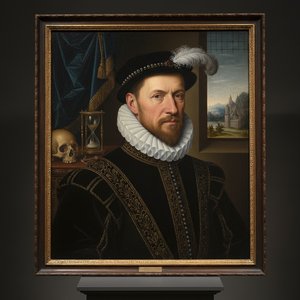
Holbeinov umjetnički stil obilježen je izvanrednom predanošću realizmu, postignutom pomnim pažnjom na detalj u prikazivanju tekstura, tkanina i suptilnih nijansi izraza lica. On nije samo *slikao* portrete; on ih je pedantno konstruirao, sloj po sloj, hvatajući ne samo fizički izgled, već i osobnost i unutarnji život svojih subjekata. Njegove inovativne kompozicije dodatno su ojačale dojam njegovog rada, često koristeći simboličke objekte ili pozadine kako bi prenio dublje značenje.
Ambasadori (1533.) svjedoči tome pristupu – složenom i simbolički bogatom dvostrukom portretu koji pokazuje Holbeinovu tehničku briljantnost i intelektualnu dubinu. Anamorfolni oblik lubanje suptilno ugrađen u sliku služi kao stravi *memento mori*, podsjećajući gledatelje na neizbježnost smrti. Njegovi brojni portreti Henrika VIII. uspostavili su trajni imidž tudorske moći, dok njegovo prikazivanje Erasma Rotterdamskog hvata učenikovu duboku intelektualnu ozbiljnost. Među drugim zapaženim djelima nalazi se i zadivljujući *Portret Niklausa Kratzera* (1528.), remek-djelo realizma i znanstvenskog detalja.
Nasljeđe i Utjecaj: Trajni Otisak
Holbeinova umjetnička putovanja oblikovala je splet utjecaja, kombinirajući preciznost njemačkih umjetničkih tradicija s kompozicijskim principima talijanske renesanse. Divio se djelu Albrechta Dürera i drugih njemačkih majstora, a tijekom svojih putovanja također je proučavao talijansku umjetnost, usvajajući njihove tehnike i uključujući ih u svoj jedinstveni stil. Njegovo nasljeđe je duboko; Holbeinovi portreti postavili su novi standard za realizam i psihološki uvid u portreturu, utječući na generacije umjetnika koji su slijedili. Njegova prikazivanja ključnih figura tijekom tudorske epohe pružaju neprocjenjive uvide u živote i osobnosti onih koji su oblikovali englesku povijest.
On nije samo zabilježio izgled – uhvatio je trenutke u vremenu, sačuvao ih za budućnost. Njegovo djelo svjedočanstvo je o trajnoj moći umjetnosti da dokumentira, tumači i osvjetljava prošlost.
Završni potez kista: Povijesni značaj
Hans Holbein Mlađi umro je u Londonu 1543., ostavljajući iza sebe djelo koje i nadalje zadivljuje publiku stoljećima kasnije. Njegovi portreti više nisu samo prekrasne slike; oni su povijeski dokumenti, nudeći uvid u političke intrige, vjerska previranja i kulturne promjene tudorske epehe.
- Njegova prikazivanja Henrika VIII. postala su ikonična predstavljanja kraljevske moći.
- Njegova portretura pruža prozor u živote uglednih humanista poput Erasma i Morea.
- Njegova inovativna upotreba simbolike dodaje slojeve značenja njegovu radu, pozivajući gledatelje da razmišljaju o dubljim temama.
Holbeinova umjetnost nadilazi puku tehničku vještinu; ona je utjelovljenje intelektualne znatiželje, umjetničke inovacije i dubokog razumijevanja ljudske prirode. Ostaje jedan od najpriznatijih i proučavanih slikara renesanse – majstor čije nasljeđe nastavlja inspirirati i očaravati.



 Pregledaj u stvarnoj veličini
 Naručite ručno oslikano reprodukciju
 Podijeli
 Podijeli
 Detalji
 Vodič
Vodič

 Preuzmi datoteku
 Slični predmeti
 Rentgenska snimka
 Slide show
 Statistika


 Pročitajte više






































 Opcija stakla dostupna je samo za dimenzije manje od 110 cm






![Dvostruki portret Jeana de Dintevillea i Georgesa de Selvea (poznati kao Veleposlanici) [detalj]](/media/artworks/images-thumb/bb/ab/bbab7ce77b7dd15d23d21114a63b51a4.jpg)

![Dvojni portret Jeana de Dintevillea i Georgesa de Selvea (poznat i kao V سفiri) [detalj]](/media/artworks/images-thumb/42/81/42813dc49b2f72bce897aaf8b747ad5b.jpg)


